7 Best Wrist Stabilizers For Heavy Wool Projects
Struggling with wrist strain while knitting? Discover our top 7 stabilizers designed to support your joints during heavy wool projects for pain-free crafting.
Working with heavy wools like bulky roving or dense Peruvian Highland yarns can put incredible strain on your wrists after just a few rows. While these fibers create beautiful, warm garments, their weight and the necessary needle size often force your joints into unnatural positions. Choosing the right support is essential for maintaining your craft without sacrificing your long-term comfort. These seven stabilizers are designed to keep your hands moving comfortably through even the most ambitious winter projects.
Mueller Fitted Wrist Brace: Best Overall Choice


When you are working through a massive cable-knit blanket, the weight of the project pulling on your needles can lead to immediate wrist fatigue. The Mueller Fitted Wrist Brace is my top pick because it balances structural integrity with a surprisingly low profile. It provides a rigid splint that prevents the wrist from collapsing under the weight of heavy, water-logged wool.
The beauty of this brace lies in its versatility across different needle materials. Whether you are using slick nickel-plated needles or grippy bamboo, this brace keeps your wrist in a neutral position, allowing your fingers to do the fine motor work while the brace handles the structural load. It doesn’t interfere with your tension, which is vital when you are trying to maintain a consistent gauge across a large surface area.

However, keep in mind that the rigid support means you won’t have full range of motion for complex maneuvers like wrapping yarn for intricate lace. Use this for your long, repetitive rows of stockinette or garter stitch where you need endurance rather than extreme dexterity. It is the reliable workhorse for the serious knitter.
McDavid Wrist Support: Best for Heavy Lifting
If you are tackling a project with heavy, multi-ply wool—think oversized sweaters or heavy-duty rugs—you need more than a light wrap. The McDavid support is built like a tank, offering a level of stability that mimics a medical-grade cast. It is designed to take the brunt of the weight so your tendons don’t have to.
This brace is particularly useful if you have a habit of "death-gripping" your needles when working with heavy fibers. Because the support is so robust, it forces your wrist into a position that discourages that painful, tight grip. You will find that your hands feel significantly fresher after a three-hour knitting session.
The trade-off is bulk; this is not a brace you can easily wear under tight-sleeved sweaters. If you are knitting in a chilly studio, you’ll want to wear this over your sleeves or choose a sleeveless top. For the sheer physical demand of heavy wool, though, the protection is unmatched.
Futuro Comfort Stabilizer: Best for Long Sessions

We have all been there: you are nearing the end of a long project, and the repetitive motion begins to burn. The Futuro Comfort Stabilizer is designed for exactly those moments where you need support but don’t want to feel restricted. It uses breathable materials that won’t make your skin clammy, even when you’re working with warm, insulating wool.
The design is slim enough that it doesn’t get caught on your yarn tails or snag your work. This is a common issue with cheaper braces that have exposed Velcro or rough edges. You can knit with confidence knowing your brace won’t become a part of your project’s history.
If you are a "flicker" or a "thrower," you will appreciate how the stabilizer supports the wrist without inhibiting the subtle flicking motion of the index finger. It provides just enough compression to keep the muscles warm and blood flowing. It is an excellent choice for those who knit daily and need consistent, low-impact support.
Copper Fit Pro Series: Best Compression Support

Compression is often the missing link in managing the minor aches that come with fiber arts. The Copper Fit Pro Series offers a snug, form-fitting design that helps reduce the inflammation caused by pulling heavy yarn through tight stitches. It feels like a second skin, which is ideal if you are sensitive to the "tethered" feeling of more rigid braces.
The compression helps with circulation, which is crucial when you are sitting still for long periods of time. When you are knitting with heavy wool, the weight can cause your hands to feel heavy and tired; this support helps mitigate that sensation by keeping the muscles engaged. It is less about physical restriction and more about proprioceptive feedback.
Don’t expect this to provide the same level of immobilization as a splinted brace. If you are suffering from a specific injury, this might not be enough. But for general fatigue and that "achy" feeling after a long weekend of knitting, it is a perfect companion.
Vive Wrist Brace: Best for Ergonomic Alignment
Ergonomic alignment is the secret to avoiding long-term injury in knitting. The Vive Wrist Brace is engineered to keep your wrist in a neutral, ergonomic position, preventing the "wrist drop" that often happens when we get tired. This is especially important when using heavy needles, which can exert a surprising amount of leverage on your joints.
The brace is highly adjustable, which is a major plus for knitters with different hand sizes. Being able to fine-tune the tension means you can ensure the brace doesn’t slip while you’re manipulating bulky yarn. A sliding brace is a distraction you don’t need when you are in the middle of a complex pattern repeat.
Because it encourages proper alignment, you might notice your stitch consistency improves. When your wrist is properly positioned, your needle angle remains stable, leading to more uniform loops. It is a win-win for both your health and your final project quality.
BraceUP Adjustable Splint: Best Custom Fit
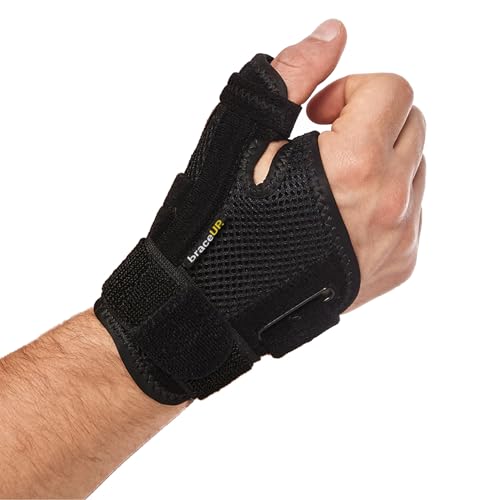
No two knitters hold their needles the same way, and the BraceUP Adjustable Splint acknowledges this by offering high levels of customization. You can remove or reposition the splinting elements to suit your specific grip. If you find one area of your wrist is more sensitive than another, you can adjust the support accordingly.
This level of customization is a game-changer for those who switch between different knitting styles, such as continental and English. Each style places stress on different tendons; being able to tweak your brace ensures you are protected regardless of your technique. It is the most "knitter-friendly" option for those who like to experiment with their craft.
The fabric is durable and stands up well to the inevitable friction of rubbing against wool fibers. You won’t have to worry about the material pilling or wearing out quickly. It is a solid investment for the knitter who wants a brace that adapts to their evolving needs.
Shock Doctor Wrist Guard: Best Heavy Duty Option
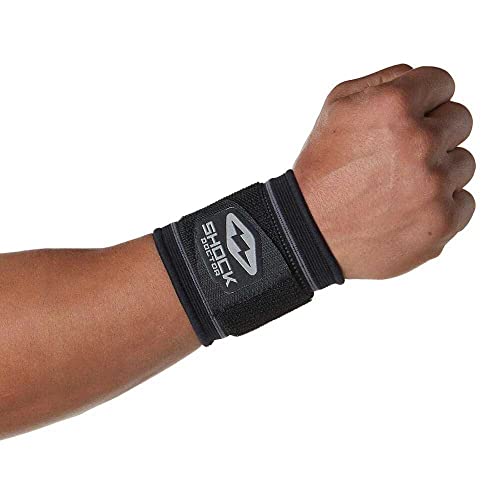
When you are working on a project that feels like it weighs five pounds, you need heavy-duty gear. The Shock Doctor Wrist Guard is designed for high-impact activities, making it an overkill for light lace, but a lifesaver for heavy wool projects. It provides maximum rigidity to ensure your wrist stays perfectly straight.
This brace is excellent for those who have a history of wrist issues or who find that their pain is triggered by the weight of the project itself. It is not designed for comfort or style; it is a tool for protection. If your goal is to finish a heavy project without pain, this is your best bet.
Be prepared for a break-in period. Because it is so rigid, it may feel strange at first. Give it a few sessions to get used to the feel of the brace against your needles. Once you adjust, the support it provides is second to none.
How to Choose the Right Brace for Heavy Knitting
Choosing a brace is as personal as choosing a needle material. You must consider the weight of your yarn, the duration of your sessions, and your personal knitting style.
- Weight of Fiber: Heavier wools require more rigid support to counter the gravity pulling on your wrists.
- Needle Size: Larger needles often lead to a wider grip, which can strain the wrist differently than fine needles.
- Knitting Style: Continental knitters often need different support than English "throwers" due to the different ways they tension the yarn.
- Material Sensitivity: Look for breathable, moisture-wicking fabrics, especially if you are working with wool in warmer months.
Always prioritize a neutral wrist position. If a brace forces your hand into an awkward angle, it will do more harm than good in the long run.
Managing Repetitive Strain in Fiber Arts Projects
Repetitive strain is the silent enemy of the dedicated knitter. The key to prevention is breaking up your knitting time into manageable chunks. Even if you are in the "flow state" of a complex colorwork project, stop every 30 minutes to stretch and move your hands.
Listen to your body. If you feel a dull ache or tingling, that is your signal to put the needles down immediately. Pushing through the pain is a recipe for a multi-month hiatus from your craft.
Keep your workspace ergonomic as well. Ensure your elbows are supported and that you are not hunching over your work. A well-supported posture reduces the load on your wrists significantly.
Essential Stretching Routines for Knitters
Stretching is as important as the knitting itself. Before you cast on, spend two minutes warming up your wrists and fingers.
- Wrist Flexion/Extension: Gently pull your fingers back toward your forearm to stretch the underside of your wrist.
- Thumb Circles: Rotate your thumbs to release the tension that builds up from holding needles.
- Finger Spreads: Spread your fingers as wide as possible and hold for five seconds to counteract the "clenched" position of knitting.
- Shoulder Rolls: Don’t forget that wrist pain often originates from tight shoulders; keep them loose and relaxed.
Make these stretches a part of your daily knitting ritual. Your hands are your most valuable tools; treat them with the care they deserve.
Knitting heavy wool projects is an incredibly rewarding endeavor, but it requires us to be mindful of our physical limits. By choosing the right wrist stabilizer, you can protect your joints and ensure you are knitting for decades to come. Remember that no tool replaces the need for rest, proper posture, and regular stretching. Take care of your hands, and they will continue to produce beautiful, cozy pieces for you and your loved ones.