6 Best Steaming Irons For Velvet Pile Maintenance
Keep velvet pristine with our top six steaming irons. Learn how to safely restore pile texture and remove stubborn wrinkles without damaging delicate fibers.
Velvet is a notoriously temperamental fiber, often leaving knitters and sewists terrified of crushing its delicate, directional pile during the finishing process. Whether you are blocking a velvet-trimmed garment or refreshing a knitted piece with velvet accents, the right steaming tool is the difference between a professional finish and a ruined project. I have spent two decades navigating the nuances of fiber care, and I know that heat and pressure are your biggest enemies here. This guide will walk you through the best steamers to help you maintain that luxurious luster without compromising the integrity of your hard work.
Rowenta Pro Master X-Cel: Best Overall Steamer
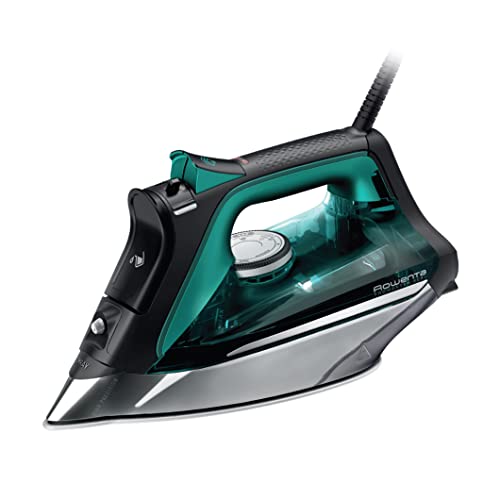

When you are finishing a large-scale project, such as a velvet-paneled evening wrap, you need a tool that offers consistent, high-pressure steam without sputtering. The Rowenta Pro Master X-Cel provides a steady flow that penetrates thick fibers deeply without requiring you to press the plate directly onto the fabric.
Its primary strength lies in its powerful steam output, which is essential for "floating" the steamer over the velvet pile. By hovering just a fraction of an inch above the surface, you allow the steam to relax the fibers and remove wrinkles without the physical weight of an iron crushing the nap.
However, keep in mind that this is a robust, full-sized unit that requires dedicated space. If you are working in a cramped craft room or living out of a small apartment, the footprint might feel excessive compared to handheld alternatives.
Conair Turbo ExtremeSteam: Best Handheld Option
If you primarily work on smaller accessories—like velvet-lined cowls or hats—a handheld steamer is often more intuitive to maneuver. The Conair Turbo ExtremeSteam is my go-to recommendation for those who need to reach tight corners or intricate seams where a large base unit would be too cumbersome.
The standout feature here is the variable steam control, which allows you to dial back the intensity for more delicate, synthetic velvet blends. Too much heat can cause synthetic fibers to melt or lose their sheen, so having that level of control is vital for protecting your yarn investment.
The trade-off is the water tank capacity, which is understandably small. You will likely need to refill it mid-project if you are steaming a larger garment, but the trade-off in portability is usually worth it for the average hobbyist.
J-2000 Jiffy Garment Steamer: Best Professional
In the world of professional garment care, the Jiffy J-2000 is the gold standard for a reason. It is a workhorse designed to run for extended periods, making it the ideal choice for someone who manages a small business selling handmade velvet-accented goods.
The steam quality is incredibly "dry," meaning it delivers moisture without leaving large water droplets on your fabric. Water spots are the death of velvet, as they can cause uneven matting that is nearly impossible to fix once the fabric dries.
The only downside is the price and the learning curve associated with its industrial design. It is an investment piece, and it lacks the sleek, modern aesthetic of consumer-grade steamers, but its longevity is unmatched in the fiber arts world.
PurSteam Elite Fabric Steamer: Best Value Pick
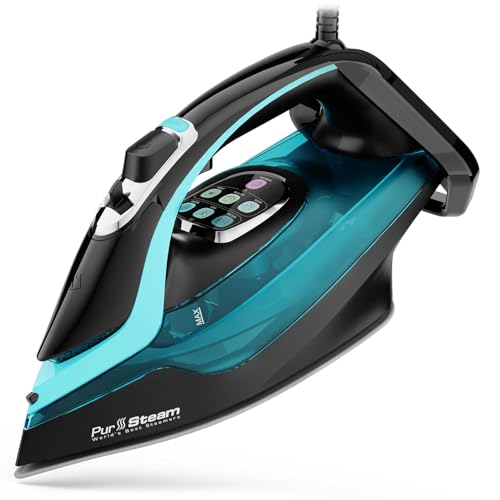
For the knitter who wants professional results on a budget, the PurSteam Elite is a surprisingly capable contender. It balances a generous water tank with a rapid heat-up time, which is perfect for those "I need to finish this gift in an hour" moments.
It is lightweight and easy to hold, which minimizes wrist fatigue during long blocking sessions. If you suffer from repetitive strain issues from hours of knitting, the ergonomic handle design is a significant benefit over heavier, top-heavy models.
Just be aware that the build quality is more plastic-heavy than the Jiffy or Rowenta models. It is a fantastic entry-level tool, but you should handle it with care to ensure the internal components remain in good working order over the years.
Philips Steam&Go Handheld: Best for Travel Use
Traveling to a knitting retreat or a craft fair often leaves your finished garments looking less than pristine after being packed in a suitcase. The Philips Steam&Go is compact enough to tuck into a carry-on, ensuring your velvet pieces stay looking fresh throughout your trip.
Its folding design is its greatest asset, allowing it to slide into tight spaces without snagging on your yarn or needles. It provides enough steam to refresh a velvet collar or a delicate trim, even if it lacks the power to tackle a full-length velvet coat.
Do not expect this to be your primary tool for heavy-duty blocking or steaming large yardage. It is a specialized travel companion that excels at quick touch-ups but lacks the steam volume for deep, structural steaming.
Beautural 1200W Steamer: Best for Velvet Pile
The Beautural 1200W steamer is specifically designed with a nozzle that encourages a gentle, diffused steam flow. This is crucial for velvet, as you want to avoid a concentrated jet of steam that could potentially mat the pile in one specific spot.
The safety features are also well-thought-out, including an automatic shut-off that prevents the unit from overheating. For those of us who get distracted by a complex chart or a dropped stitch, this safety net provides peace of mind.
It is a mid-range option that hits the "sweet spot" of price and performance for most fiber artists. If you are looking for a reliable, everyday steamer that treats your velvet projects with the respect they deserve, this is a solid choice.
Why Proper Steaming Protects Your Velvet Projects
Velvet is defined by its pile—the raised fibers that give it that signature soft, light-catching texture. When you steam velvet incorrectly, you aren’t just removing wrinkles; you are permanently altering the direction and density of those fibers.
Proper steaming uses moisture to relax the yarn’s memory, allowing it to settle into its intended shape without the fiber being crushed flat. If you apply heat and pressure simultaneously, you essentially "iron" the pile down, creating a shiny, bald patch that ruins the fabric’s aesthetic.
Always view steaming as a process of "floating" the vapor over the project rather than "pressing" the tool into the fabric. By keeping the steam source moving, you ensure even distribution and prevent any single area from becoming oversaturated.
How to Steam Velvet Without Crushing the Fibers
The golden rule of steaming velvet is to never let the steamer head touch the fabric directly. Hang your garment on a sturdy hanger or lay it flat on a padded blocking board, then hold your steamer about two to three inches away.
Use a sweeping motion, moving the steamer back and forth across the surface of the velvet. If you are working on a piece with a knitted base, pay extra attention to the seams, as these areas tend to hold more moisture and can become distorted if over-steamed.
After steaming, resist the urge to touch or manipulate the velvet while it is still damp and warm. Let the fibers cool and dry completely in their new, relaxed state; this "setting" phase is just as important as the steaming itself for achieving a lasting, beautiful finish.
Essential Tips for Safe Garment Steaming Care
Always check the fiber content of your velvet before you begin, as silk-blend velvets will react very differently to heat than synthetic polyester velvets. If you are unsure, perform a test on a small swatch or an inconspicuous area of the garment.
Keep your steamer clean by using distilled water whenever possible. Mineral buildup from tap water can clog the steam vents, leading to uneven bursts of steam or, worse, unsightly mineral deposits being deposited directly onto your fabric.
Finally, always store your steamer upright and empty after it has cooled. Leaving water in the tank can lead to mold or bacterial growth, which is the last thing you want to transfer onto your carefully knitted garments.
Frequently Asked Questions About Velvet Steaming
Can I use a regular iron with a steam setting on velvet? It is generally discouraged. The weight of the iron is almost impossible to keep from crushing the pile, and the metal plate can easily scorch the delicate fibers.
What should I do if I accidentally crush the velvet pile? Sometimes you can revive crushed pile by holding it over a steam vent for a few seconds and gently brushing the fibers in the opposite direction with a soft-bristled brush. It isn’t a guaranteed fix, but it can often hide the damage.
Is it safe to steam velvet that has been knitted into a garment? Absolutely, provided you use the "floating" technique. Steaming is actually a wonderful way to even out your stitches and improve the drape of your knitted fabric, provided you are mindful of the velvet’s sensitivity to heat.
Steaming velvet is a delicate dance between moisture and heat, but with the right tool, it becomes a simple, rewarding step in your finishing process. By choosing a steamer that offers controlled, consistent output, you can ensure your velvet projects maintain their luxurious pile for years to come. Remember that patience is your best tool; take your time, keep the steamer moving, and let the fibers cool completely before handling them. Your finished pieces will thank you with a professional, polished look that highlights the true beauty of your craftsmanship.