7 Best Rotary Cutters For Bag Lining Fabric
Choosing the right rotary cutter is vital for precise bag lining. We evaluate 7 top models based on blade sharpness, ergonomic grip, and fabric compatibility.
When you spend weeks meticulously knitting a complex cardigan, the interior finish matters just as much as the exterior stitches. Lining your bags or garment pockets prevents stretching and adds a professional polish that elevates your handmade work. Using the right rotary cutter ensures your lining fabric is cut with the same precision you apply to your gauge swatches. Here are the top tools to help you achieve those clean, snag-free edges.
Olfa RTY-2/DX 45mm Ergonomic Rotary Cutter
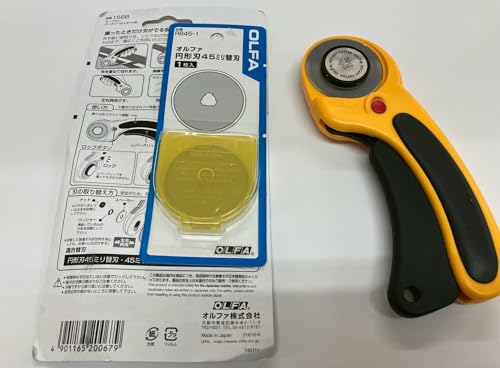

This cutter is the gold standard for those who suffer from hand fatigue after long sessions of blocking or assembly. Its dual-action safety mechanism is brilliant, though it requires a bit of muscle memory to master.
The ergonomic handle is shaped to support your palm, much like the way a well-balanced wooden needle reduces wrist strain during heavy cable work. It’s perfect for cutting slippery silk or rayon linings that tend to shift under the blade.
Bottom line: If you value comfort during long cutting sessions, this is your best bet. Just be sure to practice the safety trigger before diving into expensive fabric.
Fiskars 45mm Comfort Loop Rotary Cutter

Fiskars is a household name for a reason, and their loop handle design is incredibly intuitive for beginners. You don’t need a tight grip to control the blade, which is helpful if you have arthritis or hand tension issues.
The loop design allows you to keep your hand in a neutral position, preventing the "clawing" sensation that often happens when you’ve been working with small-gauge needles for too long. It’s a reliable, no-nonsense tool that gets the job done without extra bells and whistles.
Bottom line: This is an excellent entry-level choice that prioritizes ease of use. It’s ideal for lining projects where you need to make quick, straight cuts across your fabric.
Clover 45mm Rotary Cutter for Precision

Clover is known for its high-quality knitting notions, and their rotary cutter follows suit with exceptional blade stability. The blade doesn’t wobble, which is essential when you are cutting delicate lining fabrics that can fray easily.
If you’ve ever struggled with a needle that feels flimsy, you’ll appreciate the solid construction here. It provides a clean, consistent cut that mimics the precision of a perfectly tensioned stitch.
Bottom line: Choose this if you are a stickler for detail. It’s a precision instrument that rewards a steady hand.
TrueCut 45mm Rotary Cutter with Comfort Grip

The TrueCut system is designed to lock into a specific track, which is a game-changer for those who struggle with keeping a straight line. It’s like using a row counter to ensure your pattern repeat stays consistent; it removes the guesswork.
The grip is soft and tactile, providing good feedback as you move across the fabric. It’s particularly useful for those who are new to bag construction and haven’t yet developed the "muscle memory" for cutting straight lines.
Bottom line: If you find your cuts wandering, the TrueCut track system will keep you on the straight and narrow. It’s a great tool for building confidence.
Gingher 45mm Rotary Cutter for Fabric
Gingher has a long-standing reputation for professional-grade cutting tools that last a lifetime. The weight of this cutter feels substantial in your hand, signaling the quality of the materials used in its construction.
It feels like the difference between using a lightweight plastic needle and a heavy, polished nickel one. The weight actually helps apply the necessary pressure to the fabric, meaning you don’t have to push as hard to get a clean slice.
Bottom line: This is an investment piece for the serious maker. It’s durable, elegant, and performs beautifully on everything from cotton lawn to heavy interfacing.
Martelli 45mm Ergonomic Rotary Cutter

The Martelli cutter is unique because it’s designed specifically to reduce the pressure needed to cut through multiple layers. If you are lining a bag with both fabric and a layer of stabilizer, this tool handles the bulk with ease.
It’s similar to choosing a sharp, tapered needle when working with a dense, worsted-weight wool; it pierces through the resistance without damaging the fibers. The ergonomic shape encourages a natural grip that won’t leave your hand cramping.
Bottom line: If your bag linings involve thick layers or stabilizers, the Martelli will save your wrists. It’s a powerhouse for more complex sewing projects.
Dritz 45mm Deluxe Rotary Cutter for Quilting

Dritz is a staple in most local sewing shops, and their deluxe model offers a great balance of features at a reasonable price point. The safety guard is easy to operate, and the blade replacement process is straightforward.
It’s a functional tool that doesn’t overcomplicate the process. Much like a standard bamboo needle, it’s reliable, predictable, and does exactly what it says on the package without any fuss.
Bottom line: A solid, dependable workhorse for the occasional bag maker. It’s perfect if you want a quality tool that fits within a modest budget.
Essential Factors for Choosing Rotary Cutters
When selecting a cutter, think about your hand size and the types of fabric you use most often. A heavy, metal-bodied cutter might feel great to some, while others might prefer the lightness of plastic.
Consider these factors:
- Safety Mechanisms: Does it lock automatically? Is it easy to engage?
- Ergonomics: Does the handle shape fit your natural grip?
- Blade Compatibility: Can you easily find replacement blades?
- Weight: Does it help or hinder your cutting motion?
Remember that just like choosing a needle material, the "best" tool is the one that feels like an extension of your hand. Don’t be afraid to try a few different styles to see what suits your specific grip.
How to Maintain Sharp Blades for Clean Cuts
A dull blade is a dangerous blade because it forces you to use more pressure, increasing the risk of slipping. You should treat your rotary blades with the same care you give your favorite circular needles—keep them clean and protected.
- Change blades regularly: If you feel resistance, it’s time for a new one.
- Use a dedicated mat: Cutting on a hard surface will ruin your blade instantly.
- Clean the housing: Lint and thread bits can accumulate, causing the blade to stick.
- Store safely: Keep the blade retracted or covered when not in use.
Think of blade changes like changing your needle size to achieve the correct gauge; it’s a necessary adjustment for a successful outcome. A sharp blade ensures your lining fits perfectly inside your knitted bag.
Safety Tips for Using Rotary Cutters on Fabric
Rotary cutters are essentially circular razor blades, so treat them with the respect you would a sharp pair of embroidery scissors. Always cut away from your body, and never try to force the blade through a snag.
- Always close the guard: Make it a habit to close it the moment you lift your hand.
- Keep fingers away from the path: Use a ruler as a guide to keep your digits safe.
- Focus on the task: Don’t multitask while cutting; it’s when you lose concentration that accidents happen.
- Maintain your mat: A damaged mat can cause the blade to skip or jump.
Safety is the foundation of any craft. By respecting your tools and keeping your workspace clear, you ensure that your knitting and sewing time remains enjoyable and injury-free.
Selecting the right rotary cutter is just as personal as choosing the perfect yarn for a sweater. Whether you prioritize ergonomic support or heavy-duty performance, the right tool will make your bag lining process seamless and precise. Take your time to find what feels right in your hand, and your finished projects will surely show the difference. Happy making!