6 Best Specialty Scissors For Fine Thread Trimming
Master fine thread trimming with our top 6 specialty scissors. Discover precise, sharp tools designed to improve accuracy and efficiency in your needlework.
Precision trimming is the unsung hero of a polished finished object, turning a messy tail into a professional-looking weave-in. When working with delicate lace-weight silk or fine mohair, a dull blade can fray your fiber before it even cuts. Investing in dedicated specialty scissors ensures your hard work doesn’t unravel at the final hurdle. These six tools are the gold standard for crafters who demand clean, snag-free results every time.
Gingher 4-Inch Featherweight Embroidery Scissors


These scissors are a classic for a reason, offering a lightweight feel that prevents hand fatigue during long finishing sessions. The knife-edge grind allows them to slice through fine threads like butter rather than chewing on them.
If you are working on a complex lace shawl with hundreds of ends to weave, the weight of your tools matters. These are so light you’ll barely notice them in your notions pouch, yet they are sturdy enough to last for decades.
Keep in mind that the handles are relatively small. If you have larger hands, you might find them slightly snug, but the precision they offer is hard to beat for the price.
LDH Scissors Midnight Edition Thread Snips
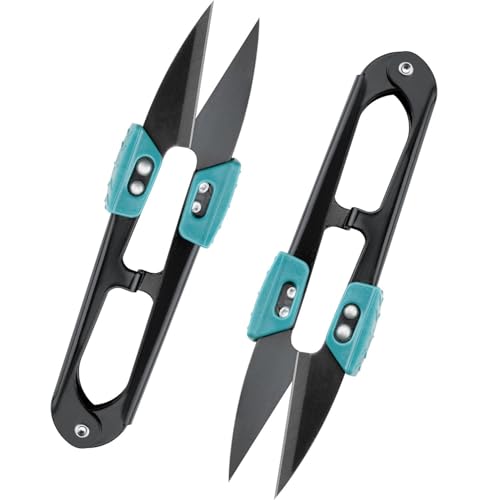
The Midnight Edition snips are designed for those who want a quick, one-handed cut without fumbling for finger loops. The matte black finish isn’t just for aesthetics; it provides a non-slip grip that is incredibly helpful when your hands are tired.
These are perfect for stranded colorwork where you are constantly dropping and picking up new yarns. A quick snip allows you to move to the next section without breaking your rhythm or losing your tension.
Because they are spring-loaded, they do the work for you, which is a massive relief if you suffer from occasional hand cramping. Just be sure to keep them clean, as the spring mechanism can get clogged with loose fiber dust over time.
Kai 7100 Professional Series Precision Shears

Kai blades are famous for their high-carbon stainless steel, which holds an edge longer than almost anything else on the market. When you are trimming slippery superwash wool, you need a blade that bites immediately without sliding off the strand.
These shears feel incredibly smooth in the hand, with a tension adjustment that lets you customize the "feel" of the cut. For a knitter working with expensive hand-dyed yarns, this level of control is essential to prevent accidental nicks to your fabric.
They are an investment piece, certainly, but they are the kind of tool you buy once and pass down. If you prioritize sharpness above all else, these are the industry leaders.
Merchant & Mills Wide Bow Embroidery Scissors
These scissors feature a distinct wide-bow design that allows for excellent leverage and control. They feel substantial and balanced, which is a welcome change from the flimsy, cheap scissors often found in starter kits.
The sharp, pointed tips are perfect for getting right up against the base of a knot or a tight join in your knitting. I find them particularly useful when I’m working with textured yarns like bouclé, where you need to see exactly where the core of the thread is.
While they are beautiful, they are also functional workhorses. Just be aware that the wide bows can be a bit bulky if you are trying to pack them into a very small, minimalist knitting bag.
Havel’s Sewing 4.5-Inch Curved Tip Snips

Curved tips are a game-changer when you are working on a finished garment and need to trim a float or a loose end without cutting the surrounding stitches. The curve naturally lifts the thread away from the fabric, acting as a safety barrier.
If you’ve ever accidentally snipped a hole in a sweater while trying to trim a stray end, you know the panic that follows. These snips remove that risk entirely by letting you approach the thread from an angle.
They are particularly effective for embroidery on top of knitting, where you need to navigate around raised stitches. They aren’t the best for general cutting, but for surgical-style thread removal, they are indispensable.
Bohin Extra-Fine Point Needlework Scissors
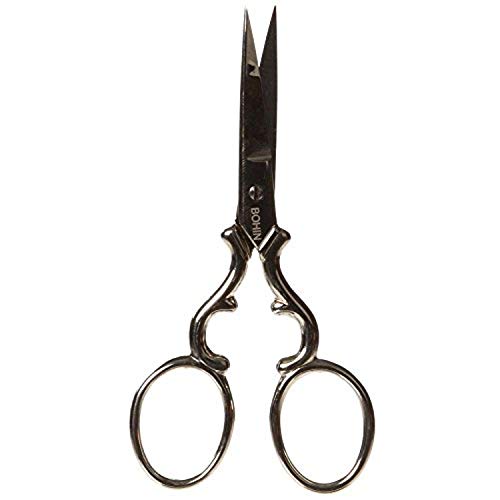
Bohin is a legendary name in the notions world, and their extra-fine point scissors are engineered for extreme precision. These are the tools you pull out when you are working with lace-weight yarn or fine silk thread.
The points are so fine that they can easily get into the tightest corners of a cable or a complicated bobble. They provide a clean, crisp cut that prevents the "fuzzing" that often happens with thicker, blunter blades.
Because the tips are so delicate, they are not meant for cutting anything heavier than thread. Treat them with care, and they will reward you with the cleanest finish your work has ever seen.
How to Choose the Best Scissors for Fine Thread
When selecting your scissors, consider the weight and texture of the yarn you use most frequently. If you primarily knit with chunky, rustic wool, you need a sturdier blade than someone who spends their time on fine-gauge hosiery yarn.
Think about your hand health as well. If you have any history of repetitive strain, spring-loaded snips are almost always the superior choice over traditional finger-loop scissors.
Finally, consider your storage habits. If you tend to throw your tools into a bag and hope for the best, a pair with a protective sheath or a more durable construction is a necessity.
Understanding Blade Geometry for Clean Trims
The secret to a clean cut lies in the "grind" of the blade. A knife-edge grind is sharper and requires less pressure, which is ideal for preventing the thread from being pushed aside during the cut.
Be wary of "beveled" edges, which are more common on cheaper scissors; these tend to crush the fiber rather than slicing it cleanly. A clean slice leaves a blunt end that is much easier to weave in securely.
Always test your scissors on a scrap piece of your current project’s yarn. If the thread slides toward the tip of the blades instead of cutting, the tension is too loose or the blades are dull.
Essential Maintenance Tips for Your Scissors
Never, under any circumstances, use your embroidery scissors to cut paper, plastic, or tape. These materials contain abrasives and glues that will dull your precision blades in a matter of minutes.
Wipe your blades down with a soft, dry cloth after every few sessions to remove fiber dust and natural oils from your hands. If the hinge feels stiff, a tiny drop of sewing machine oil can work wonders.
If your scissors do become dull, don’t try to sharpen them yourself unless you are trained. Send them to a professional sharpener who understands the specific needs of fine embroidery tools.
How to Safely Store Your Precision Thread Tools
Storage is about both protection for the blades and protection for your fingers. A leather or felt sheath is the best way to keep the points from bending or dulling while in your project bag.
If you are traveling, consider a small, hard-sided case to prevent the scissors from being crushed by your heavier knitting needles. Never store them loose in a bag where they can snag on your yarn or poke through the fabric.
Keep them in a dedicated spot in your craft room so you aren’t tempted to grab them for household tasks. When your tools have a "home," they stay sharp, clean, and ready for your next project.
Choosing the right specialty scissors is a small investment that pays off every time you bind off a project. By matching the blade geometry to your specific yarn weight and choosing an ergonomic design, you eliminate the frustration of frayed ends. Treat these tools with the same respect you show your favorite knitting needles, and they will serve you for years to come. Happy knitting, and may your finishes always be as clean as your stitches.