6 Best Wool Washes for Softening Delicate Fibers
Maintain your knitwear’s longevity with our top six wool washes. Discover gentle, effective formulas designed to soften delicate fibers and prevent damage.
After spending two decades behind the needles, I’ve learned that the yarn you choose is only half the battle; how you care for your finished fabric determines its longevity. A high-quality wool wash is the secret to transforming a stiff, just-off-the-needles garment into a soft, professional-grade heirloom. Choosing the right cleanser preserves the natural oils in your fiber while ensuring your hard work doesn’t felt or lose its shape. Here is a guide to the best washes to keep your hand-knits looking pristine for years to come.
Eucalan Delicate Wash: Best Overall for Softness
Eucalan has been a staple in my knitting bag for years, primarily because it is a no-rinse formula that simplifies the blocking process. It contains a small amount of lanolin, which acts as a natural conditioner for wool fibers, helping to restore the bounce that can sometimes be lost during the mechanical stress of knitting.
If you are working with a high-twist merino or a delicate alpaca blend, this wash excels at relaxing the stitches without stripping the fiber of its essential moisture. Because you don’t need to rinse it out, you handle the wet garment less, which significantly reduces the risk of accidental felting or stretching.
The bottom line is that Eucalan is the most reliable workhorse for your collection. It is gentle enough for lace shawls yet effective enough to refresh a well-worn sweater.
Soak Wash: The Best No-Rinse Option for Knits
Soak is the modern knitter’s favorite for a reason: it is incredibly efficient and comes in a variety of sophisticated, subtle scents. Like Eucalan, it is a no-rinse formula, but many find the consistency slightly lighter, making it ideal for those who prefer a "cleaner" feel on their finished items.
I often recommend Soak for blocking colorwork projects. When you are working with high-contrast yarns, you want a wash that won’t cause the colors to bleed, and Soak’s formulation is specifically engineered to be color-safe. It lifts dirt and dust without requiring an aggressive agitation that might compromise the structure of your stranded knitting.
If you are a busy maker who wants to get your project blocked and drying as quickly as possible, this is your best bet. It saves time without sacrificing the quality of the finish.
Kookaburra Wool Wash: Best for Sensitive Skin


Kookaburra uses a unique, tea-tree-based formula that is exceptionally gentle on both the fiber and the knitter’s hands. If you have ever experienced contact dermatitis while blocking a large project, you know that the chemicals in some detergents can be harsh; Kookaburra sidesteps that issue entirely.
Beyond its skin-friendly properties, it is incredibly effective at removing stubborn odors from wool. If you are refurbishing a vintage wool sweater or cleaning a project that has been sitting in storage, this wash provides a deep, refreshing clean that feels very natural.
It doesn’t leave a heavy residue, which is perfect for those who dislike the slightly "waxy" feel that high-lanolin washes can sometimes leave behind. It’s a specialized choice, but a vital one for makers with sensitivities.
The Laundress Wool & Cashmere: Premium Choice
When you have invested sixty hours into a hand-knit cashmere sweater, you want a wash that feels like a luxury treatment. The Laundress offers a sophisticated, cedar-scented formula that is designed to protect natural fibers from moths while keeping them soft and clean.
This is a concentrated product, so a little goes a very long way, justifying the higher price point. It is particularly excellent for high-end fibers that are prone to pilling, as it helps smooth the fiber cuticle, making the yarn look newer for longer.
Use this when you are finishing a "legacy project"—the kind of garment you intend to pass down to the next generation. It is not just a wash; it is an investment in the long-term health of your most precious knits.
Unicorn Beyond Clean: Best for Deep Cleaning

Sometimes, a project needs more than just a light freshening. Unicorn Beyond Clean is a heavy-duty option that is fantastic for "scouring" raw wool or cleaning items that have been heavily soiled.
If you are a spinner or a dyer who works with raw fleece, this is the gold standard for removing grease and debris. However, it is also useful for the everyday knitter who needs to wash a project that has been worn heavily or stored in less-than-ideal conditions.
It is a more aggressive cleaner than the others on this list, so use it sparingly. It is the perfect tool for the "reset" button on a garment that has lost its luster.
Eucalan Lavender: Best Scented Fiber Wash
While the original Eucalan is excellent, the lavender-scented version is a sensory delight that makes the blocking process feel like a spa day. The scent is derived from essential oils, meaning it is subtle and natural rather than synthetic or overpowering.
The lavender also acts as a natural moth repellent, which is an added bonus for long-term storage. If you live in an area where moths are a concern, choosing a wash with natural deterrents is a smart, proactive way to protect your stash.
It provides the same excellent softening properties as the original formula while adding a touch of aromatherapy to your knitting routine. It is my personal go-to for gifting projects to friends.
Why Wool Washes Are Essential for Fiber Care
Using standard laundry detergent on hand-knits is a recipe for disaster. Most commercial detergents contain enzymes designed to break down protein stains, but since wool is a protein-based fiber, those same enzymes will slowly digest your yarn, leading to thinning and eventual holes.
Wool washes are pH-balanced to keep the fiber cuticle closed and smooth. This prevents the fibers from interlocking, which is the mechanism that causes unwanted felting.
- Preservation: Keeps the yarn’s natural elasticity intact.
- Color Fastness: Prevents dyes from migrating during the blocking process.
- Fiber Health: Maintains the natural sheen and softness of animal fibers.
How to Properly Soak and Block Delicate Knits
Blocking is the final step where your project truly comes to life. Start by filling a basin with lukewarm water and a small amount of your chosen wool wash, then gently submerge your garment, ensuring it is fully saturated without wringing or twisting it.
Let it soak for at least 15 to 20 minutes to allow the fibers to relax. Once finished, gently squeeze out the excess water—never wring—by rolling the garment in a thick, dry towel like a burrito and pressing down firmly.
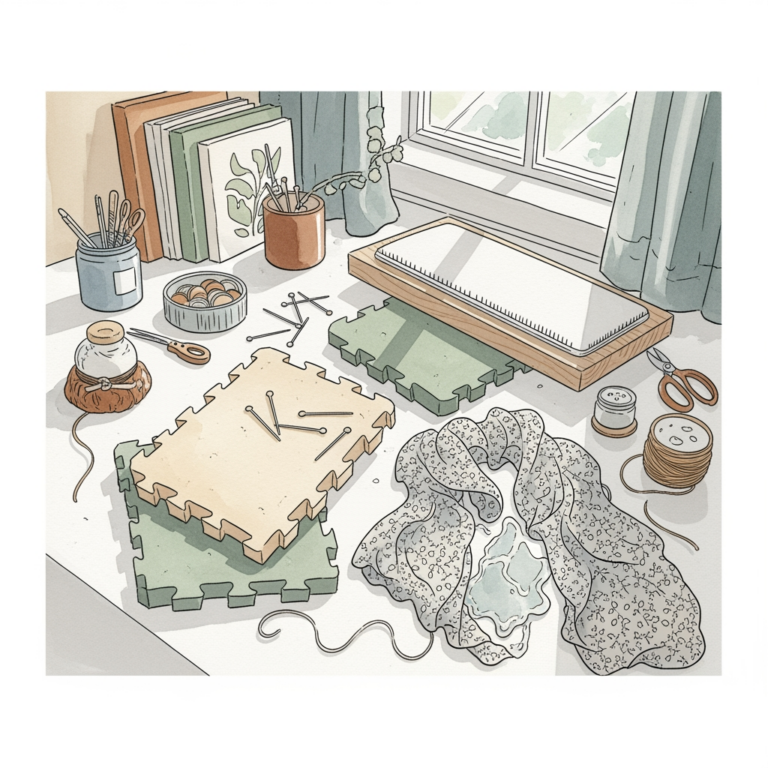
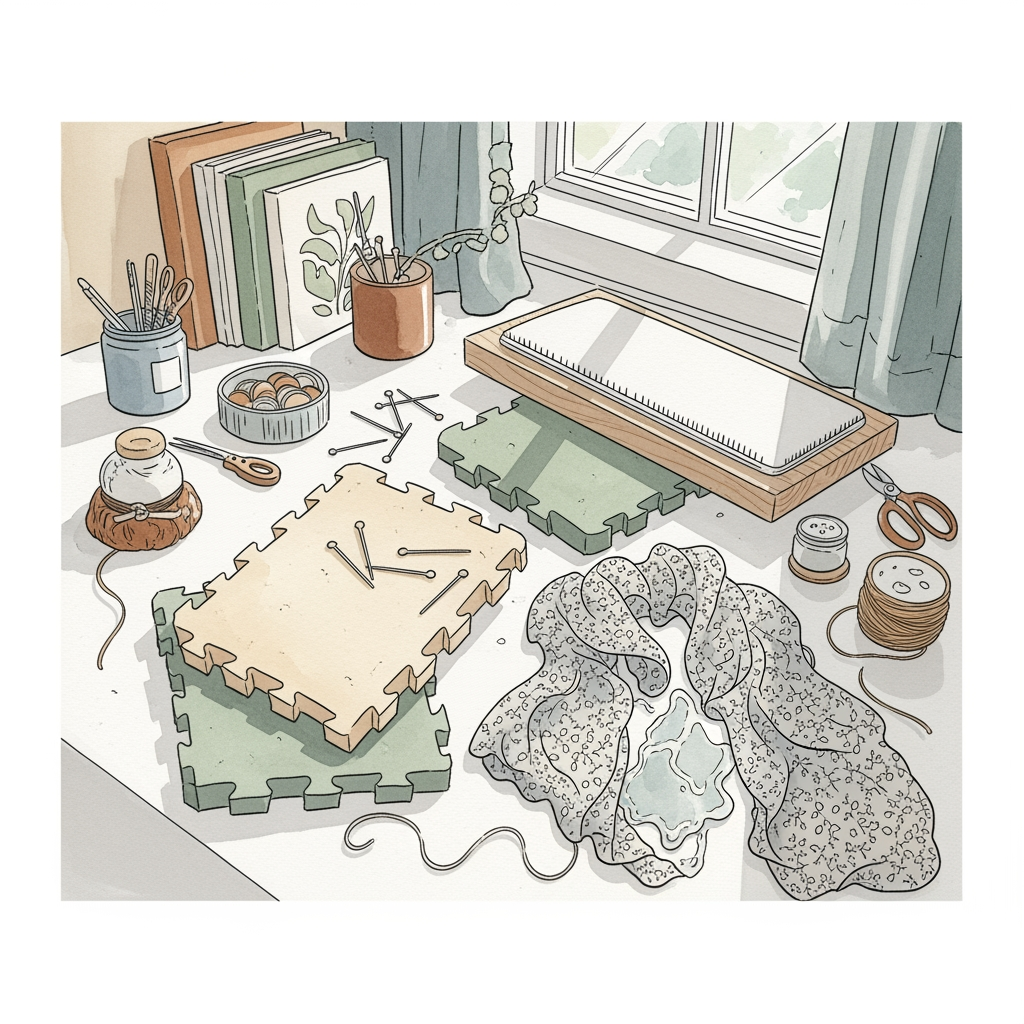
Lay the item flat on a blocking mat, pinning it to your desired dimensions. Patience is key here; let it dry completely in a well-ventilated area before removing the pins.
Understanding Lanolin in Wool Cleaning Products
Lanolin is the natural wax secreted by sheep to keep their wool waterproof and conditioned. When wool is processed into yarn, much of this lanolin is stripped away, which can leave the fiber feeling dry or brittle.
Many wool washes add a small amount of lanolin back into the bath to replenish the fiber. This is particularly beneficial for wool that has been superwash-treated, as the chemical process used to make yarn machine-washable can sometimes strip away the fiber’s natural "life."
However, if you are working with delicate lace, too much lanolin can make the fabric feel slightly heavy or sticky. Choose your wash based on the specific needs of the fiber: more lanolin for dry, scratchy wool, and less for fine, airy lace.
Common Mistakes When Washing Hand-Knit Items
The most common mistake I see is agitation. Even if a yarn is labeled "superwash," constant friction in a washing machine will eventually lead to pilling and structural distortion.
Another frequent error is using water that is too hot or too cold. Sudden temperature changes can shock the fibers, causing them to shrink or felt instantly. Always aim for lukewarm water, and try to keep the temperature of the rinse water (if you are rinsing) consistent with the wash water.
Finally, never hang a wet wool sweater to dry. The weight of the water will stretch the fibers permanently, resulting in a garment that is two sizes too large and completely out of shape. Always dry your knits flat.
Caring for your hand-knits is just as important as the hours spent choosing the perfect pattern and yarn. By using a dedicated wool wash and following proper blocking techniques, you ensure that your creations remain soft, structured, and beautiful for years. Remember that fiber arts are a journey of continuous learning, and even the most seasoned knitters are constantly refining their care routines. Treat your finished projects with the same love you put into every stitch, and they will surely return the favor.