
6 Best Replacement Sponge Bars for Needle Beds
Revitalize your knitting machine with our top 6 sponge bar picks. Discover durable, high-quality replacements that ensure smooth needle movement and precision.
A knitting machine is a precision instrument, but its performance hinges entirely on the humble, often-overlooked sponge bar tucked beneath the needle bed. When this foam strip degrades, your needles lose their necessary downward tension, leading to dropped stitches and uneven fabric. Replacing this component is the single most effective way to restore your machine’s factory-fresh reliability. Here is my guide to selecting the right replacement to keep your carriage gliding smoothly.
Brother KH-800 Series Sponge Bar: Best Overall


The Brother KH-800 series is the workhorse of the machine knitting world, and its sponge bar is the gold standard for consistency. Because these machines rely on a specific needle-to-bed pressure, the density of this foam is calibrated perfectly to keep needles from popping up during carriage passes.
If you are working with fine-gauge yarns or delicate lace, this bar provides the exact resistance needed to ensure every hook catches the yarn correctly. It strikes the perfect balance between being firm enough to last and soft enough to protect the delicate needle butts.
Avoid the temptation to use generic, non-knitting-specific foam strips here. The Brother-compatible bars are engineered with the correct height to maintain tension without causing the carriage to drag or bind.
Silver Reed SK280 Replacement Sponge Bar

Silver Reed machines are known for their modern, smooth operation, and the SK280 sponge bar is designed to complement that mechanical fluidity. This bar is slightly more resilient than older models, which is essential if you frequently knit with high-tension, non-elastic fibers like linen or cotton.
When you are knitting a complex tuck stitch or a long-float fair isle project, the last thing you need is a needle jumping out of its track. This replacement bar provides the precise "grip" required to keep needles seated firmly in the needle bed throughout the entire row.
Always check that your replacement bar has a sturdy metal backing that matches the original. A flimsy backing can warp over time, leading to inconsistent stitch formation across the width of your knitting.
Passap Duomatic Sponge Bar: The Top Choice
The Passap Duomatic is a unique beast in the knitting world, utilizing a specialized "stripper" system that makes its sponge bar requirements quite distinct. Unlike standard Japanese machines, the Passap relies on a very specific type of pressure to keep the needles aligned with the complex cam systems.
Using a high-quality, dense foam replacement for the Passap is non-negotiable if you want to avoid dropped stitches in your double-bed work. The top choice here is the official-style replacement that mimics the original’s specific durometer, or hardness, to ensure the needles stay perfectly centered in the channels.
Because Passap machines often handle heavier, more complex fabrics, a degraded sponge bar will cause immediate, noticeable issues. Invest in the best replacement you can find to keep your double-bed knitting crisp and professional.
Singer 700 Series Compatible Sponge Bar
Singer machines have a distinct feel, and their sponge bars are often slightly thicker to accommodate the unique way their needles interact with the bed. If you are refurbishing a vintage 700 series machine, you will find that a fresh, high-density bar instantly solves most "carriage jamming" problems.
These bars are excellent for knitters who enjoy working with a variety of yarn weights. The extra density provides enough support for heavy wools while remaining responsive enough for lighter, finer yarns.
Don’t settle for "close enough" when sourcing these. A bar that is too thin will leave your needles loose, while one that is too thick will make the carriage feel like it is dragging through mud.
KnitKing Standard Gauge Machine Sponge Bar
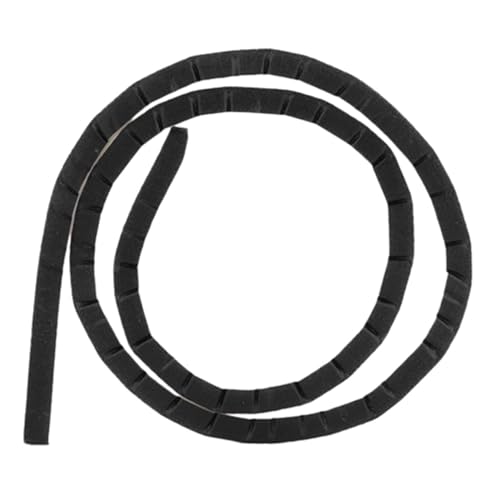
KnitKing machines are essentially the American-market cousins of Brother machines, meaning they share the same high standards for mechanical precision. When looking for a replacement, look for bars that specify "KnitKing compatible," as they are designed to handle the specific needle bed geometry of these machines.
These bars are particularly adept at holding up during long, intensive sessions of stockinette knitting. If you are producing multiple panels for a sweater, you will appreciate how well these maintain their shape without flattening out halfway through your project.
Keep in mind that even high-quality bars will eventually succumb to the pressure of the needles. Plan to rotate your sponge bar every few years, even if you aren’t knitting every single day.
Toyota Knitting Machine Sponge Bar Upgrade

Toyota machines are beloved for their ruggedness, but their sponge bars can be difficult to source as original parts become scarce. Fortunately, modern upgrades are available that use superior, long-lasting foam materials that often outperform the original factory components.
Upgrading your Toyota sponge bar is a great way to breathe new life into an older machine that might have been sitting in storage. The improved foam density helps restore the smooth, quiet operation that Toyota owners love.
When installing these, take extra care to clean the needle bed channel thoroughly. Any residual old foam or debris will prevent the new bar from sitting flush, which will ruin your knitting results regardless of the bar’s quality.
Why Sponge Bar Condition Matters for Knitting
The sponge bar is the silent regulator of your knitting machine’s tension system. Its primary job is to press the needles down into their tracks, ensuring that the needle hooks are in the correct position to pick up the yarn as the carriage moves across the bed.
When the foam is fresh, the needles move with a satisfying "click" and stay perfectly aligned. When the foam is old and crumbling, the needles lose their downward pressure, causing them to lift slightly and miss the yarn, leading to dropped stitches or "tuck" errors.
Think of it like the tires on your car; you wouldn’t drive on bald tires and expect the car to handle correctly. Your sponge bar is the point of contact between your yarn and the machine, and its integrity is vital for success.
Signs Your Sponge Bar Needs an Immediate Swap
The most obvious sign is a sudden increase in dropped stitches, especially in the middle of a row. If your carriage feels like it is working harder than usual, or if you hear a grinding or clicking sound that wasn’t there before, check the bar immediately.
Visually inspect the bar by looking at the needles from the side. If they look "wavy" or aren’t sitting flat against the bed, the sponge has lost its spring.
If you see bits of sticky, degraded foam coming out of the machine, stop knitting immediately. This debris can get into the carriage mechanism and cause permanent damage to the cams and needles.
DIY vs Professional Sponge Bar Replacements
Many knitters opt to "re-sponge" their own bars using adhesive-backed foam, which can be a cost-effective solution. However, you must be extremely precise with the foam density and the height of the strip.
If you choose the DIY route, ensure you are buying high-quality, closed-cell foam that won’t disintegrate into dust within a few months. Cheap craft store foam will flatten almost immediately and leave a sticky residue that is a nightmare to clean from your needle bed.
If you are new to machine knitting, I highly recommend buying a professionally manufactured replacement bar. It removes the guesswork and ensures that your machine is performing at its peak right out of the box.
Essential Tips for Installing New Sponge Bars
Before sliding the new bar in, use a stiff brush or a vacuum to clear out any old foam bits from the needle bed channel. Even a tiny piece of debris can cause the new bar to sit unevenly, creating a "bump" in your tension.
Always insert the bar with the foam side facing down toward the needles. If your machine has a specific orientation, double-check your manual, as forcing a bar in backward can damage the delicate needle hooks.
Finally, once the bar is installed, run your carriage across the bed empty a few times to ensure everything moves smoothly. If there is any resistance, stop and check that the bar is seated fully and not catching on any needle butts.
Maintaining your knitting machine’s sponge bar is the most important routine task you will perform to ensure years of trouble-free making. By choosing a high-quality replacement and installing it with care, you effectively reset your machine’s mechanical foundation. Don’t wait for your needles to start failing before you take action; a fresh sponge bar is the best investment you can make in your craft. Happy knitting, and may your carriage always glide with ease.