7 Best Blocking Grid Mats For Precision Work
Achieve professional results with our guide to the 7 best blocking grid mats. Discover durable, precise surfaces essential for flawless crafting projects.
Blocking is the final, transformative step that turns a puckered, uneven piece of knitting into a professional-grade garment. Without a reliable grid mat, achieving symmetrical lace points or perfectly squared-off sweater panels is an exercise in pure frustration. Choosing the right surface ensures your hard work retains its intended shape and drape long after the needles are put away. Here is a curated look at the best blocking tools to elevate your craft.


Knitter’s Pride Lace Blocking Mats: Best Overall
These mats are a staple in my studio because they strike the perfect balance between density and ease of use. The surface is firm enough to hold pins securely, yet soft enough that you don’t feel like you’re fighting the material when setting your lace.
The printed grid lines are crisp and high-contrast, which is a lifesaver when you are trying to align a complex shawl. Because they are thick, they provide excellent cushion, allowing pins to penetrate deep enough to hold tension without popping back out.
The primary tradeoff is the price point, which is higher than generic foam alternatives. However, the longevity of these mats makes them a worthy investment for anyone who blocks delicate fibers like silk or mohair regularly.
Susan Bates Knit Chek Blocking Boards: Best Value
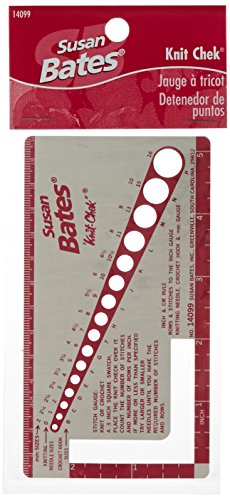
If you are just starting to build your tool kit, you don’t necessarily need a massive, professional-grade setup. These boards are straightforward, no-nonsense tools that get the job done without breaking the bank.
They are lighter than premium mats, which makes them easy to tuck away in a project bag or a small drawer. While they lack the thick, high-density foam of luxury options, they are perfectly adequate for blocking scarves and small accessories.
Be mindful that they may show wear faster if you use aggressive, heavy-gauge T-pins. Treat these as your "workhorse" boards for everyday projects where extreme precision isn’t the primary concern.
Clover Locking Blocking Mats: Best for Precision

Clover has engineered these with a unique interlocking system that feels incredibly secure once assembled. If you are blocking a large-scale project, you won’t have to worry about the mats shifting or separating while you are pinning out your edges.
The grid markings are exceptionally accurate, which is vital for geometric patterns or stranded colorwork that requires perfect symmetry. The material is dense, offering a satisfying "bite" for your pins so they stay exactly where you place them.
The main consideration here is the footprint; they are designed for serious, repetitive use. If you find yourself blocking sweaters or large shawls frequently, the stability of this system is unmatched.
Exquiss Interlocking Foam Tiles: Best Large Scale

When you are tackling a full-sized sweater or a massive circular shawl, standard-sized mats often feel too restrictive. These tiles allow you to create a vast, customized surface area that fits the specific dimensions of your project.
Because you can configure them in any shape, you aren’t limited to a rigid rectangle. This is particularly useful for blocking complex garments with unusual silhouettes or wide wingspans.
The foam is durable, but keep in mind that the seams can sometimes be a slight nuisance if you are pinning directly across them. I recommend placing your pins slightly offset from the join lines to ensure your fabric remains perfectly flat.
Boye Blocking Board Set: Best for Small Projects

For the sock knitter or the maker of delicate baby garments, a giant mat is often overkill. This set is designed for smaller, intricate pieces where you need to focus on fine details rather than sheer surface area.
The boards are compact and portable, making them ideal for knitters who travel or have limited workspace. They provide a stable, reliable surface that keeps your small projects from curling or distorting.
Don’t expect to block a king-sized blanket on these, but for the day-to-day work of finishing socks or mittens, they are indispensable. They turn a tedious task into a quick, manageable part of the knitting process.
Magma Knitting Blocking Mats: Best Heat Resistance

Blocking often involves steam, especially when working with natural fibers like wool that need a little coaxing to relax. These mats are built to withstand heat, which prevents the warping or melting that can occur with cheaper, synthetic foam.
The density of the material is also impressive, standing up well to high-tension pinning. If you frequently steam-block your projects to set stitches or open up lace, this is a significant safety feature for your tools.
While they are a premium choice, the heat resistance adds a layer of durability that cheaper mats simply cannot match. It’s a specialized tool for the knitter who prioritizes professional finishing techniques.
Yarnology Foam Blocking Mats: Best for Beginners
If you are just learning the ropes of blocking, you want a tool that is intuitive and easy to handle. These mats are soft, lightweight, and very forgiving for someone who is still practicing their pinning technique.
They are often sold in packs that are sufficient for basic scarves and cowls. The grid is clear and helpful for learning how to measure and square off your work without feeling overwhelmed by professional-grade gear.
As you advance, you might find you want something denser, but these are a fantastic entry point. They teach you the importance of blocking without requiring a steep financial commitment.
How to Choose the Right Blocking Mat for Your Needs
Choosing a mat comes down to three factors: the size of your projects, the fibers you use, and your available storage space. If you primarily knit lace shawls, you need a large, high-density surface that can handle heavy tension.
- For Lace: Prioritize high-density mats with clear grids to handle the aggressive stretching required.
- For Sweaters: Look for interlocking systems that allow you to expand your surface area.
- For Socks/Small Items: Compact boards are more efficient and easier to store.
Always consider the "pin-ability" of the material. You want a mat that holds a pin firmly without requiring you to force it in, which can cause hand fatigue over time.
Essential Tips for Perfect Blocking Techniques
Start by measuring your finished project before you wet it to ensure you know your target dimensions. When pinning, always start from the center and work your way out to the edges to avoid pulling the fabric unevenly.
Use rust-proof pins, especially if you are blocking white or light-colored yarn. There is nothing more heartbreaking than finishing a beautiful piece only to find rust spots on your hard work after the drying process.
If you are working with superwash wool, remember that it will grow significantly when wet. Pin it to your exact measurements, but don’t overstretch, or you might find the garment loses its structure permanently.
Maintaining Your Blocking Mats for Long-Term Use
Treat your mats like a piece of equipment, not just a disposable surface. Store them flat or in their original packaging to prevent the edges from curling over time.
After each use, wipe them down with a damp cloth to remove any stray fibers or dust. If you use steam, let the mats air out completely before stacking them away to prevent moisture buildup or mold.
If you notice a pin hole becoming too loose, rotate the tile or flip it over to use the underside. With proper care, a good set of blocking mats will last for many years of projects.
Blocking is the bridge between a finished project and a wearable piece of art, and your choice of mat is the foundation of that process. Whether you need a massive, interlocking system for sweaters or a compact board for socks, there is a tool here to suit your style. Remember that the best mat is the one that makes you feel confident and excited to finish your work. Happy knitting, and may all your points be sharp and your edges perfectly square.