6 Best Wool Shaver Tools For Maintenance To Use
Keep your knitwear pristine with our top six wool shavers. Learn how to remove pilling effectively and extend the lifespan of your favorite garments today.
Every knitter knows the heartbreak of spending weeks on a sweater, only to see it sprout unsightly pills after just a few wears. Pilling is a natural byproduct of fiber friction, but it doesn’t have to signal the end of a garment’s lifespan. With the right maintenance tools, you can restore your hand-knits to their original, pristine glory. This guide breaks down the best shavers to keep your finished objects looking as fresh as the day you bound off.
Conair Fabric Shaver: The Best Overall Choice


The Conair Fabric Shaver is a staple in many knitting studio toolkits because it balances power and accessibility perfectly. It features a large shaving head that covers surface area quickly, which is a lifesaver when you are trying to de-pill a bulky-weight cardigan before a chilly weekend.
The design is straightforward and reliable, making it an excellent "workhorse" tool. Because it is widely available and affordable, it’s the default recommendation for most knitters who want a no-fuss solution for their everyday acrylic or wool-blend sweaters.
However, keep in mind that its larger head can be a bit aggressive. Always test it on an inconspicuous area, like the inside hem or under the arm, to ensure the blades aren’t catching on your stitch definition.
Gleener Fabric Shaver: Best for Delicate Knits
The Gleener stands out because it isn’t electric; it uses interchangeable edges designed for different fabric weights. This is a massive advantage for hand-knitters who work with luxury fibers like cashmere or fine merino lace, where an electric motor might be too harsh.
By using a manual tool, you maintain total tactile control over the pressure applied to the fabric. You can feel exactly when the blade meets a pill versus when it might snag a delicate yarn strand, preventing the accidental "nicking" that often ruins hand-knit sweaters.
It comes with three different edges, allowing you to scale your maintenance from rugged wool to soft, delicate fibers. It is the safest choice for heirloom-quality projects that you want to preserve for decades.
Philips Fabric Shaver: Best for Heavy Sweaters
If you spend your winters knitting heavy-gauge sweaters with high-twist wool, you need a tool that can handle dense fabric structures. The Philips model is engineered with a high-speed blade system that excels at slicing through stubborn pills on thick, non-superwash wool.
The height adjustment cap is the standout feature here, as it allows you to hover the blades slightly above the fabric surface. This is critical for textured patterns like cables or brioche, where you want to remove surface fuzz without catching the raised stitches.
While it is powerful, be wary of using it on thin, loosely spun yarns. The sheer speed of the blades can inadvertently thin out the fabric if you aren’t careful, so use a light touch on anything with a delicate halo.
Beautural Fabric Shaver: Best Budget Option
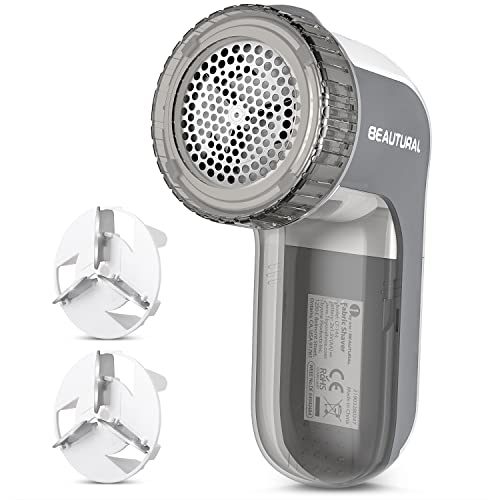
The Beautural Fabric Shaver offers surprising performance at a price point that leaves more room in your budget for high-quality yarn. It features a robust motor and a honeycomb-style mesh guard that does a great job of isolating pills from the fabric base.
It is particularly effective for knitters who have a large collection of ready-to-wear or machine-knit garments that need regular maintenance. It handles high-volume de-pilling sessions without overheating, which is a common failure point in cheaper electronic tools.
The trade-off is that it can be a bit loud and requires a steady hand to avoid "skipping" over the fabric. If you are on a budget, this tool is a solid investment, provided you maintain the mesh screen by cleaning it out frequently.
Rowenta Lint Shaver: Best High-Power Performance

Rowenta is known for precision, and their fabric shaver is no exception, offering a consistent blade rotation that makes short work of even the most heavily pilled garments. If you have a household full of knitwear that sees heavy daily use, this tool provides the efficiency you need.
The large shaving head means you spend less time hovering over a single sleeve. It is built to last, which appeals to the knitter who prefers "buy it for life" tools rather than replacing cheap plastic gadgets every year.
Because of its high power, it is best suited for sturdy, tightly knit garments. Save this tool for your wool sweaters and heavy-duty socks, and keep it away from delicate, hand-dyed silk blends where a lighter touch is required.
SteamOne Fabric Shaver: Best Portable Design

For the knitter who travels or takes their projects to knitting circles and retreats, the SteamOne is a game-changer. Its sleek, compact design fits easily into a project bag without taking up the space needed for extra needles or a notions pouch.
Despite its small footprint, it doesn’t sacrifice efficacy. It is perfectly capable of touching up a garment on the go, making it ideal for those moments when you notice a stray pill right before heading out to a fiber festival or a dinner party.
It is rechargeable via USB, which eliminates the need to hunt for batteries. While it may not be the tool for a full-scale restoration of a heavily pilled sweater, it is the best companion for maintaining your knits while you are away from your home studio.
How to Safely De-pill Your Hand-Knit Garments
Always lay your garment flat on a hard, level surface before you begin. Trying to shave a sweater while it is hanging or draped over your body will cause the fabric to stretch, which creates uneven tension and increases the risk of the blades catching a stitch.
Use long, light strokes rather than pressing the shaver deep into the fabric. Think of it like shaving your legs or trimming a hedge; you want to remove the excess surface matter without digging into the structural integrity of the yarn.
If you find a stubborn pill that won’t come off, do not force the tool. Use a pair of small, sharp embroidery scissors to snip it manually, then use the shaver to smooth the area afterward.

Understanding Fiber Types and Pilling Risks
Pilling is a natural phenomenon where short fibers migrate to the surface and tangle, usually due to friction. Understanding your yarn’s composition is the best way to predict how much maintenance your sweater will need.
- Superwash Wool: Often pills more due to the chemical treatment that removes the scales from the fiber, making it smoother and more prone to sliding.
- Cashmere and Angora: These soft, luxury fibers have a shorter staple length and will almost always pill with friction; they require frequent, gentle maintenance.
- High-Twist Wool: Tightly twisted yarns are generally more resistant to pilling than soft, lofty, or single-ply yarns.
- Synthetic Blends: Acrylic and nylon are often added to wool to increase durability, but these fibers are strong and don’t break off easily, which can lead to pills that cling stubbornly to the fabric.
Proper Storage Tips to Prevent Future Pilling
Storage is the silent partner in garment longevity. When you aren’t wearing your hand-knits, fold them neatly and store them in a drawer rather than hanging them on a hanger, which stretches the fabric and creates stress points.
Use cedar blocks or lavender sachets to keep moths away, as moth damage can look suspiciously like pilling until you look closer. If you must store items for the off-season, use breathable cotton bags rather than plastic, which can trap moisture and weaken fibers over time.
Finally, rotate your sweaters. Wearing the same favorite sweater every day for a week is a recipe for rapid pilling; giving the fibers a "rest" day allows them to recover their shape and prevents the constant friction that causes pills to form.
Maintenance Guide for Your Fabric Shaver Tools
Your shaver is only as good as its blades. After every use, unscrew the mesh guard and clear out the lint reservoir; a clogged machine will lose suction and blade efficiency, leading to a frustrating experience.
Inspect the blades periodically for signs of dullness or nicks. If you notice the tool is "chewing" the fabric or pulling at the fibers rather than slicing through them, it is time to replace the blades or the head unit.
Keep the tool dry and store it in a cool, dark place. Electronic components and moisture are natural enemies, and keeping your tool clean ensures it will be ready to tackle your next project whenever the need arises.
Maintaining your hand-knits is just as important as the act of knitting them, ensuring your hard work remains a wardrobe staple for years to come. By choosing the right tool for your specific fiber types and using a careful, light touch, you can effectively manage pilling without compromising your garment’s structure. Remember that patience is a virtue in fiber arts, both in the creation process and the long-term care of your finished pieces. Treat your sweaters with the same love you put into every stitch, and they will keep you warm and stylish for a lifetime.