7 Best Soak Washes For Fiber Maintenance Worth Using
Extend the life of your textiles with our top seven soak washes. Discover gentle, effective formulas designed to clean and preserve delicate natural fibers.
Investing dozens of hours into a hand-knit garment means nothing if you ruin it during the first wash. Many knitters focus entirely on needle material and yarn tension, yet overlook the chemistry of the final rinse. Choosing the right soak wash is the single most effective way to preserve the loft, drape, and longevity of your finished pieces. This guide breaks down the best options to ensure your hard work stays in heirloom condition for decades.
Eucalan Delicate Wash: Best for Natural Fibers
Eucalan is the gold standard for a reason: it is a no-rinse formula that contains essential oils to naturally repel moths. Because it doesn’t require rinsing, you minimize the amount of agitation your garment undergoes, which is crucial for preventing accidental felting.
If you are washing a delicate lace shawl or a heavy wool sweater, the lack of rinsing saves the fibers from the stress of being moved around under a faucet. The lanolin content also acts as a subtle conditioner, keeping the wool soft and preventing the "itch" factor often associated with raw sheep’s wool.
However, be mindful that the scent can be quite strong depending on the variety you choose. If you are sensitive to fragrances, opt for the unscented version to ensure your sweater doesn’t smell like a perfume counter.
Soak Wash: The Top Choice for Gentle Cleaning
Soak Wash is beloved for its modern, minimalist approach to fiber care. It is exceptionally effective at removing dirt and body oils without leaving a heavy, soapy residue behind.
This is my go-to choice for garments that sit close to the skin, like tank tops or summer cotton tees. Because it is so efficient at lifting oils, it keeps white or light-colored yarns looking crisp rather than dingy over time.
The trade-off is that it lacks the heavy lanolin boost found in other specialized washes. If you are washing a very dry, brittle wool that needs significant moisture replenishment, you might find this formula a bit too "clean" for your needs.
Kookaburra Wool Wash: Best for Sensitive Skin


Kookaburra is formulated with tea tree oil, which is naturally antimicrobial and antifungal. It’s a fantastic choice if you are dealing with vintage wool or hand-me-down sweaters that have been sitting in storage for years.
Many knitters find that this wash is the most gentle on their own skin. If you have eczema or contact dermatitis, the tea tree properties provide a clean wash without the harsh synthetic chemicals that trigger reactions.
Just remember that the tea tree scent is distinct and medicinal. It dissipates once the item is dry, but if you prefer your knits to smell like fresh laundry or nothing at all, this might take some getting used to.
Unicorn Fibre Wash: Ideal for Hand-Dyed Yarns
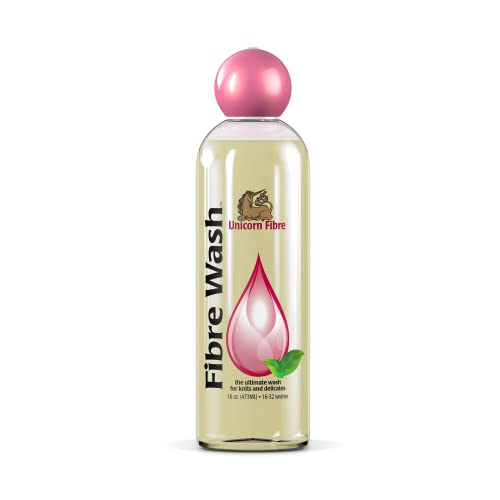
Unicorn Fibre Wash is a powerhouse when it comes to colorfastness. If you’ve ever spent hours color-working with high-contrast hand-dyed yarns, you know the terror of "bleeding" during the first soak.
This formula is engineered to neutralize the pH of the water, which helps lock in dyes that might otherwise migrate. It is incredibly effective for complex projects like stranded colorwork or intarsia where you cannot afford a single stitch to bleed into its neighbor.
Because it is so concentrated, a little goes a long way. Be careful not to overuse it, as you will find yourself rinsing for much longer than necessary to get the suds out.
Tenembaum’s Wool Wash: Best for Antique Textiles

Tenembaum’s is a specialized, gentle solution designed specifically for the preservation of heirloom textiles. If you have inherited a lace tablecloth or a hand-knit heirloom blanket, this is the safest option.
It lacks the harsh surfactants that can strip the natural oils from older, more fragile fibers. It essentially "feeds" the fiber while cleaning it, ensuring that the wool doesn’t become brittle or snap under the pressure of its own weight.
It is undoubtedly more expensive than standard options, but the cost is justified when you are caring for a piece that is irreplaceable. Treat this as a specialized tool for your most precious projects, rather than an everyday wash for socks.
The Laundress Wool & Cashmere: Premium Care Option
The Laundress offers a sophisticated, salon-quality clean for your most expensive fibers like cashmere, mohair, and angora. It is designed to be low-sudsing, which makes the rinsing process significantly faster.
The scent is elegant and subtle, a far cry from the medicinal or herbal smells of other washes. If you are washing a luxury hand-knit gift for someone else, the finish this product provides feels truly professional and high-end.
The primary drawback is the price point and accessibility. It is a luxury item, and for everyday workhorse wools like Peruvian Highland or standard Corriedale, it is likely overkill.
Twig & Horn Wool Soap: Best Minimalist Formula
Twig & Horn is a straightforward, no-nonsense wool soap that focuses on the basics. It is a solid choice for the knitter who wants a clean, effective product without the bells and whistles of essential oils or fancy branding.
It is particularly good for those who prefer an unscented environment. It cleans effectively and rinses cleanly, leaving the wool feeling "bouncy" and full of life rather than weighed down by conditioners.
Because it is a soap rather than a detergent, it is incredibly gentle on the natural scales of the wool fiber. It is my top recommendation for knitters who want to keep their process simple, sustainable, and effective.
Why You Should Never Use Standard Laundry Detergent
Standard laundry detergents—the kind you use for your jeans and towels—are designed to break down organic matter. Since wool is a protein fiber (essentially hair), these detergents will literally begin to digest your knitting.
- Proteases: These enzymes eat proteins, which will weaken your yarn fibers over time.
- High pH: Standard detergents are often too alkaline, which causes wool fibers to swell and eventually felt.
- Optical Brighteners: These chemicals reflect light to make whites look whiter, but they can leave a chalky, unnatural residue on wool.
Using these products will lead to thinning, loss of elasticity, and eventually, holes in your favorite garments. Always stick to pH-neutral, wool-specific washes to ensure your stitches remain intact.
Essential Tips for Properly Blocking Your Knits
Blocking is the final step of the knitting process, and it is where your garment truly comes to life. After your soak, gently squeeze the water out using a towel; never wring or twist the fabric, as this stretches the stitches permanently.
- Support the weight: For heavy sweaters, lay them flat on a mesh drying rack to ensure even airflow.
- Use pins carefully: Use rust-proof T-pins to shape your piece, ensuring you don’t overstretch the lace or cables.
- Patience is key: Let the garment dry completely for at least 24 hours before moving it.
If you block a garment while it is still dripping wet, it will take days to dry and may develop a mildew smell. Always ensure the garment is damp but not saturated before laying it out to shape.
How to Safely Store Your Hand-Knit Woolens
Once your knits are clean and dry, how you store them is just as important as how you wash them. Wool should always be stored clean, as moths are attracted to the oils and skin cells left behind by the wearer.
- Avoid hangers: Hanging sweaters causes them to lose their shape and creates "shoulder bumps" in the fabric.
- Use breathable bags: Store your knits in cotton or muslin bags, never plastic, which traps moisture and encourages mold.
- Add cedar or lavender: Use natural moth repellents in your storage bins to keep your collection safe throughout the off-season.
By taking these small steps, you ensure that your hand-knit items remain as beautiful as the day you bound off the final stitch. Treat your fibers with respect, and they will reward you with a lifetime of warmth.
The journey of a knitter doesn’t end when the final tail is woven in; it continues with the care you provide your finished objects. By selecting a wash that suits the specific needs of your fiber, you are investing in the longevity of your craft. Take the time to treat your hand-knits with the same attention you gave them on the needles. Your closet—and your future self—will thank you for the extra effort.