6 Best Beeswax Blocks For Strengthening Sewing Thread
Discover the top 6 beeswax blocks to prevent fraying and tangling. Improve your sewing precision with these essential tools for stronger, smoother threads.
If you have ever felt your thread fraying mid-stitch or watched your hard work unravel because of a stubborn knot, you know the frustration of poor thread control. Beeswax is the secret weapon that transforms unruly thread into a smooth, manageable tool for any fiber artist. By coating your fibers, you reduce friction, prevent tangles, and add just enough body to make every stitch count. This guide will walk you through the top options to ensure your hand-sewing and finishing work remains as polished as your knitting.
Dritz Beeswax: The Gold Standard for Thread Control
Dritz is the name most of us reach for first because it is reliable, widely available, and does exactly what it promises. It provides a consistent, medium-firm coating that helps thread glide through fabric without leaving a heavy, waxy residue behind.
When you are working on a complex finishing task, like attaching a button band or securing a delicate lace bind-off, you need a thread that behaves. This wax adds just enough "grip" to the thread so that your knots stay tight, yet it remains slick enough to pull through dense fibers with ease.
The bottom line is that Dritz is the perfect baseline for any crafter. It is a workhorse product that won’t let you down during a long evening of finishing work.
Bohin France Beeswax: Best for Precision Tailoring
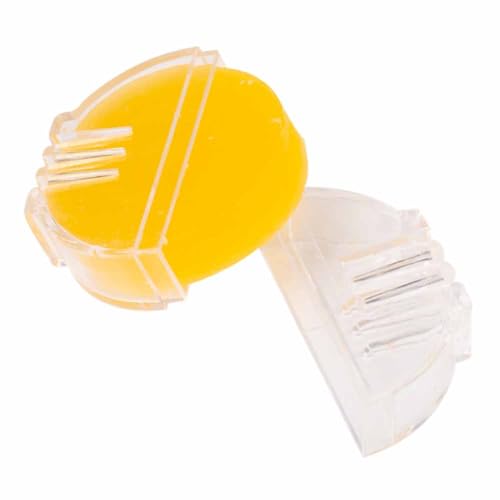

Bohin has earned a reputation for quality that matches their legendary needles, and their wax is no exception. It is slightly harder and more refined than standard blocks, making it an excellent choice for fine-thread work.
If you are using high-twist threads for intricate embroidery or heirloom-style sewing, you want a wax that doesn’t clump or flake. Bohin glides on smoothly, coating each strand evenly without adding bulk that might distort your delicate stitches.
Choose this brand if you are working on a project where every millimeter counts. It is a sophisticated tool for the maker who demands perfection in their finishing.
Clover Beeswax: Ideal for Preventing Thread Tangling
Clover understands the ergonomic needs of crafters better than almost anyone, and their beeswax block is designed for ease of use. It comes in a convenient holder that keeps your hands clean and your wax protected from dust and lint.
The formula is specifically balanced to prevent the "static" that often causes long lengths of thread to twist and knot. If you tend to cut your thread a bit too long—we’ve all been there—this wax will save you from the dreaded mid-project tangle.
It is a user-friendly option that prioritizes comfort and efficiency. For those who find handling raw wax blocks messy, this is your best solution.
Gutermann Beeswax: Superior Strength for Hand Sewing

Gutermann is synonymous with thread quality, so it makes sense that their beeswax is engineered to enhance the strength of your stitches. This wax is particularly effective at binding the fibers of your thread together, preventing the fraying that often happens with repetitive pulling.
When you are working with natural fibers that have a tendency to pill or separate, this wax acts like a stabilizer. It keeps the ply of your thread intact, ensuring that your seams are as strong as the yarn you used to knit your garment.
This is a robust choice for heavy-duty finishing or working with thicker, textured threads. It provides a durable finish that stands up to the wear and tear of daily use.
Colonial Needle Beeswax: Best Value for Daily Use

Colonial Needle provides a straightforward, no-nonsense block that is perfect for those who go through wax quickly. It is an honest, high-quality beeswax that performs consistently across a variety of thread types, from cotton to silk.
If you are a prolific maker who finishes multiple projects a month, buying a reliable, bulk-friendly block is a smart move. It doesn’t have the fancy bells and whistles of some competitors, but it offers excellent performance for the price.
Stock up on this if you want a reliable staple in your sewing kit. It is the practical choice for the maker who values substance over packaging.
Thread Heaven Beeswax: Best Synthetic Alternative

While technically a synthetic conditioner, Thread Heaven is the go-to for those who find natural beeswax too tacky or prone to temperature changes. It provides a consistent, slick finish that is immune to the melting or hardening that can affect real wax in extreme weather.
This product is ideal if you are working with synthetic threads or monofilaments that don’t always "take" to natural wax. It creates a frictionless surface that makes even the most stubborn, wiry threads behave like silk.
Consider this if you live in a very warm climate where natural beeswax might soften or become messy. It is a modern solution for a modern maker’s toolkit.
Why Beeswax is Essential for Hand Sewing Success
At its core, beeswax is a lubricant that protects your thread from the abrasive nature of fabric. Without it, the friction of pulling thread through a needle eye and then through your project can strip the outer fibers, leading to a weak, fuzzy, and eventually broken thread.
Beyond protection, wax provides "body." By stiffening the thread slightly, it becomes easier to thread your needle and much less likely to loop back on itself and knot.
It is the difference between a frustrating, stop-and-start process and a smooth, rhythmic flow. Once you start using it, you will wonder how you ever managed your finishing work without it.
How to Properly Apply Wax to Your Sewing Thread
To get the best results, place your thread on the surface of the wax and press down gently with your thumb. Pull the thread across the wax in a smooth, steady motion to ensure an even coat.
Do not over-apply; you only need a thin, invisible layer to do the job. If you see white flakes or notice a heavy, sticky feel, you have used too much wax.
After waxing, run the thread between your fingers once or twice. This warms the wax and works it into the fibers, ensuring it stays on the thread and doesn’t rub off onto your fabric.
Natural vs Synthetic Wax: Choosing Your Material
Natural beeswax is the traditional choice, prized for its subtle scent and its ability to bond beautifully with natural fibers like cotton and wool. It is eco-friendly and generally safer for those with chemical sensitivities.
Synthetic conditioners, on the other hand, offer uniformity. They don’t change texture with the room temperature, which makes them a reliable choice for consistent performance in any environment.
Ultimately, the choice comes down to your project and your personal preference. Test both and see which one feels more natural in your hands while you work.
Expert Tips for Maintaining Your Beeswax Blocks
Keep your beeswax clean by storing it in a small tin or a dedicated pouch. Wax is a magnet for dust, lint, and pet hair, all of which will transfer to your thread and end up in your finished work if you aren’t careful.
If your block gets dirty, you can gently scrape off the top layer with a knife to reveal a fresh, clean surface. This keeps your wax performing like new for years.
Finally, keep your wax away from direct heat sources, like a sunny windowsill or a radiator. Beeswax is a natural material and will melt if you aren’t mindful of where you store your sewing kit.
Investing in a quality block of beeswax is a small change that yields massive improvements in the quality of your finished projects. Whether you choose the traditional reliability of Dritz or the modern consistency of a synthetic alternative, your thread will thank you with smoother, stronger stitches. Take the time to practice your application technique, and you will find your finishing work becomes a meditative part of the creative process rather than a chore. Happy stitching, and may your threads always remain tangle-free.