7 Best Knitting Bobbins For Intarsia Colorwork
Master intarsia with our top 7 knitting bobbin picks. Discover tools that prevent tangles and keep your colorwork organized for a flawless, professional knit.
Intarsia is a beautiful technique that turns your knitting into a canvas, but managing multiple yarn bobbins can quickly turn a relaxing project into a tangled mess. The right bobbin acts as a small anchor, keeping your colors organized and preventing the dreaded "bird’s nest" effect on your lap. Whether you are working a simple geometric motif or a complex pictorial sweater, choosing the correct tool is vital for maintaining your sanity. Here are the seven best options to streamline your colorwork journey.
Clover Knitting Bobbins: Best Overall Choice


Clover bobbins are the industry standard for a reason: they are incredibly lightweight and feature a simple, secure locking mechanism. When you are working on a multi-color project, weight is a critical factor; heavy bobbins can pull on your stitches and distort your gauge.
These bobbins are crafted from smooth plastic, which prevents them from snagging on delicate fibers like alpaca or merino wool. They are designed to stay flat against your work, minimizing the bulk that can make complex intarsia feel cumbersome.
The bottom line? If you want a reliable, no-fuss tool that works with almost any yarn weight, Clover bobbins are the safest investment for your knitting kit.
Susan Bates Plastic Bobbins: Best for Value
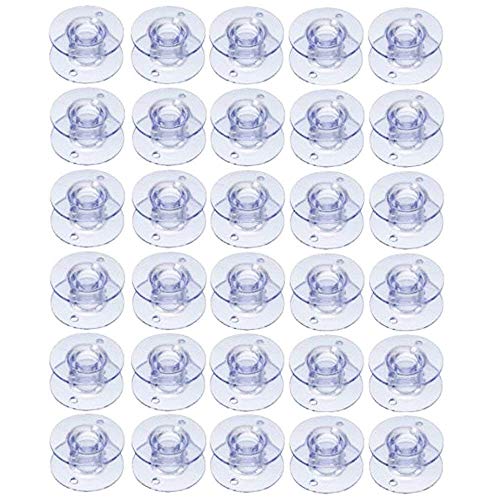
If you are just starting your journey into intarsia, you might need a dozen or more bobbins at once. Susan Bates offers a cost-effective solution that doesn’t compromise on the basic functionality required for colorwork.
These bobbins are straightforward, featuring a simple spindle design that allows you to wind your yarn quickly and securely. Because they are inexpensive, you can stock up on several packs without breaking your project budget.
While they lack the sophisticated locking mechanisms of premium brands, they get the job done perfectly. They are ideal for larger motifs where you need to manage many color blocks simultaneously without a high upfront cost.
Lacis Weighted Yarn Bobbins: Best for Tension

Tension is the single biggest challenge in intarsia, as the transition between colors often leaves loose loops if the yarn isn’t held taut. These weighted bobbins provide a gentle, downward pull that helps keep your stitches uniform.
The added weight acts as a stabilizer, ensuring that your yarn stays at a consistent tension throughout the row. This is particularly helpful when working with slippery fibers like silk or bamboo blends, which tend to unravel or loosen easily.
Just be careful not to let them hang too freely, as the weight can occasionally distort the fabric if your gauge is already loose. Use these when you need consistent, firm stitches across large blocks of color.
Pony Flexible Yarn Bobbins: Best for Travel

Intarsia projects are notorious for being difficult to knit on the go, but Pony’s flexible bobbins make it much easier. Made from a soft, pliable material, they can be squeezed or bent to fit into a crowded project bag without snapping.
Their unique design allows them to hold a surprising amount of yarn while remaining compact. Because they are soft, they don’t clatter against your needles or your table, making them perfect for knitting in public spaces like trains or cafes.
If you are a "knitting nomad" who likes to take your complex colorwork projects on the road, these flexible bobbins are your best companion.
Boye Small Plastic Bobbins: Best for Beginners

Beginner knitters often struggle with the mechanics of managing multiple bobbins while simultaneously following a chart. Boye bobbins are small, unobtrusive, and easy to manipulate, which helps reduce the learning curve.
Their compact size makes them less likely to get in the way of your hands as you move your needles. They are simple to wind and stay closed, preventing the yarn from slipping off while the project sits in your basket.
They are the perfect size for small, practice motifs or simple color-blocked scarves. If you are intimidated by intarsia, start here to keep your workspace manageable and your focus on the pattern.
KnitPicks Yarn Bobbins: Best for Large Projects

When you are working on a sweater with large, sweeping sections of color, you need a bobbin that can hold a significant yardage. KnitPicks bobbins are designed with a wider capacity, meaning fewer interruptions to rewind your yarn.
They are sturdy enough to handle the weight of a larger yarn ball without warping. This is essential for long-term projects where you don’t want to be constantly stopping to replenish your yarn supply.
Because they are durable and hold more yarn, they are the top choice for experienced knitters tackling full-garment intarsia designs.
Namaste Yarn Snacker: Best for No-Tangle Color
The Yarn Snacker is a clever departure from the traditional bobbin, acting more like a small, enclosed pouch for your yarn. It completely eliminates the risk of your yarn tangling, as the ball is contained within a soft, zippered or drawstring container.
This is a game-changer for those who find the "dangling" motion of traditional bobbins distracting or messy. It keeps your yarn clean and free from pet hair or debris while you work, which is a huge benefit for light-colored projects.
While they take up a bit more room than a plastic bobbin, the tangle-free experience is well worth the extra space in your project bag.
How to Choose the Right Bobbin for Your Project
Choosing a bobbin isn’t just about the brand; it’s about matching the tool to your fiber and your project’s scale. For delicate, lace-weight yarns, stick to lightweight plastic to avoid stretching the fibers.
If you are working with chunky wool, you need a bobbin with a larger capacity and a secure lock to prevent the heavier yarn from unspooling. Always consider the "dangle" factor: if your yarn is prone to twisting, a bobbin that can rotate freely is a necessity.
Ultimately, test a few different types on a swatch before committing to a large project. Your gauge and the weight of your yarn should dictate your choice, not just the price tag.
Essential Tips for Managing Intarsia Tension
The secret to perfect intarsia is the "twist" between color changes. When you switch from color A to color B, always cross the new yarn under the old yarn on the wrong side of the work to lock the stitches together.
Keep your bobbins hanging close to the work to prevent the yarn from pulling too tight or leaving gaps. If you notice horizontal bars of color showing through on the right side, it usually means your tension at the join is too loose.
Practice keeping your bobbins organized in a row on your lap or a flat surface. Consistency is your best friend—if you develop a rhythm for how you cross your yarns, your tension will naturally even out over time.
Troubleshooting Common Intarsia Knitting Issues
The most common issue is the "gap" or "hole" that appears at the transition points between colors. This is usually caused by not pulling the new yarn tight enough during the first stitch of the new color.
If your yarn is constantly tangling, you likely have too many bobbins hanging at once; try to work in smaller sections or use a project tray to keep them separated. If you find your work is puckering, your bobbins are likely too heavy or you are pulling the yarn too tightly.
Remember to block your intarsia project thoroughly, as this will help settle the stitches and hide minor tension inconsistencies. Don’t be afraid to unpick a row if the transition looks messy; intarsia is a craft of precision, and patience will pay off in the final result.
Mastering intarsia is a rewarding milestone that opens up a world of creative possibilities in your knitting. By selecting the right bobbins and keeping your tension consistent, you can transform simple yarn into intricate, professional-looking colorwork. Remember that every knitter’s hands and habits are unique, so take the time to experiment with these tools to find what feels most comfortable for you. Happy knitting, and enjoy the process of watching your colors come to life.