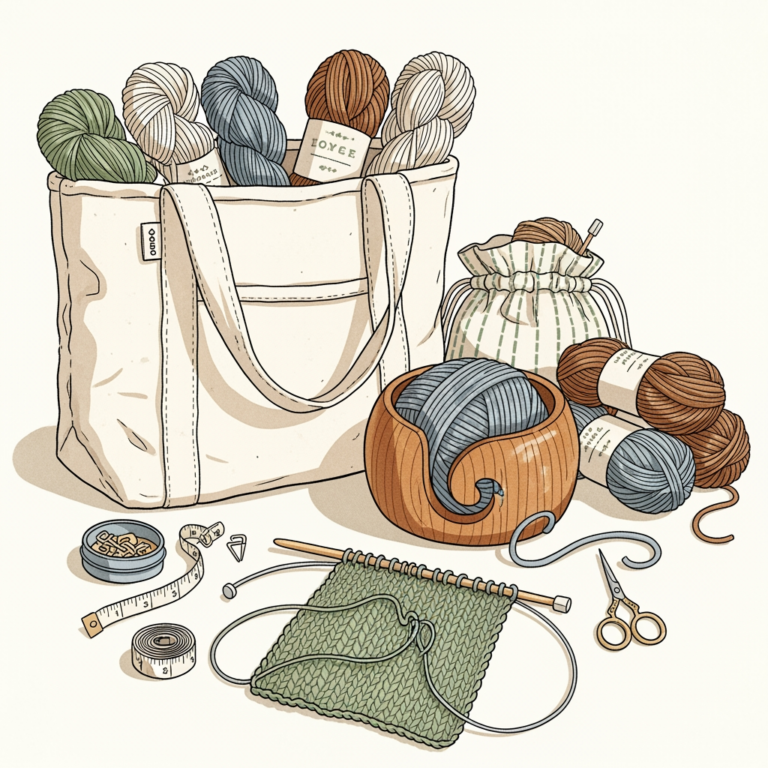
7 Best Carry Bags For Portable Machine Setups
Discover the 7 best carry bags for portable setups. Our guide highlights durability, organization, and protection to help keep your gear safe on the move.
Transporting a delicate knitting machine or a high-end electronic loom requires more than just a sturdy box; it demands a dedicated mobile studio. As someone who has hauled equipment to countless retreats and workshops, I know that a machine’s safety is the difference between a productive weekend and a repair nightmare. The right carry bag acts as your machine’s primary defense against the inevitable bumps of travel. Investing in a high-quality rolling case ensures your equipment arrives ready to cast on, not waiting for a technician.
Everything Mary Deluxe Rolling Machine Tote


This tote is a favorite for those who value aesthetics as much as organization. Its structured frame holds its shape well, preventing your machine from being crushed by shifting luggage in the trunk of a car.
The internal storage is particularly generous, featuring pockets that are perfect for keeping your circular needles, stitch counters, and tension guides secure. If you are prone to misplacing your favorite tapestry needles or cable hooks, the built-in accessory pouches will be a lifesaver.
However, keep in mind that the wheels are standard-duty. While it handles smooth convention center floors beautifully, it may struggle on uneven cobblestone streets or gravel paths.
Singer Universal Rolling Sewing Machine Case

Singer has long understood that a machine is only as good as its portability. This case is designed with a "universal" fit, making it a reliable workhorse for various machine footprints, from vintage metal-body machines to modern electronic units.
The padding is substantial, which is crucial if you are transporting machines with sensitive electronic displays. A sudden jolt can easily knock an alignment off, but the thick lining here acts as a shock absorber.
One trade-off is the weight of the bag itself. Because it is built for maximum protection, it is heavier than a basic canvas tote, so consider your own strength when lifting it into a vehicle.
Luxja Rolling Sewing Machine Carrying Case

The Luxja case excels in its clever use of vertical space. It features a padded flap that protects the top of the machine, which is often the most vulnerable spot when you are packing other supplies on top of it.
I find the side pockets particularly useful for storing bulky items like cones of wool or extra spools of yarn. Having your essential fibers right next to the machine saves you from lugging a separate project bag.
Be aware that the telescopic handle can feel a bit loose when fully extended. It is perfectly functional for standard travel, but avoid jerking it around corners to ensure longevity.
Brother Rolling Bag for Sewing Machines

If you own a Brother machine, this bag is a natural choice because it is engineered specifically for their dimensions. The fit is snug, which prevents the machine from sliding around inside the bag—a common cause of internal gear damage.
The bag’s exterior is made of a durable, water-resistant material. This is a massive advantage if you live in a climate where you might get caught in a sudden downpour while walking from the parking lot to your studio.
The downside is the lack of internal dividers for smaller tools. You will likely need to use a separate small notions pouch inside to keep your stitch markers from disappearing into the bottom corners.
SINGER Trolley Bag with Telescopic Handle
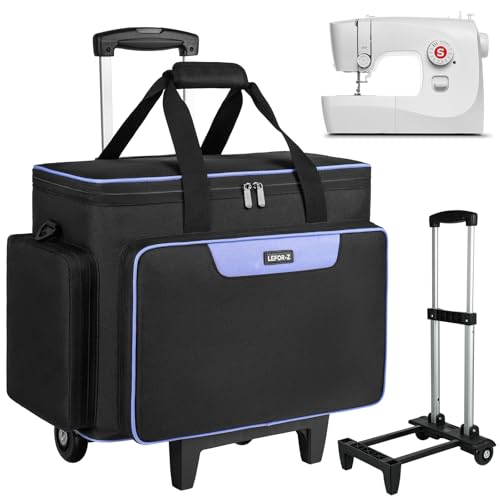
This trolley bag is built for the frequent traveler who values efficiency. The telescopic handle is robust, and the wheels are spaced wide enough to prevent the bag from tipping over when you navigate tight spaces.
The layout is very streamlined, which is ideal if you prefer to keep your machine and your tools in two separate, organized units. It feels more like a professional piece of luggage than a simple fabric bag.
If you are a knitter who brings an entire library of patterns and heavy reference books, this bag might feel a bit tight. Use it for the machine and its immediate power cords, and pack your literature elsewhere.
Janome Universal Rolling Sewing Machine Bag

Janome’s offering is known for its heavy-duty zippers, which are often the first thing to fail on cheaper bags. When your machine is heavy, a jammed or broken zipper can effectively trap your equipment inside.
The interior base is reinforced, providing a solid foundation for machines that are cast-iron or heavy-duty metal. This stability prevents the "sagging" effect that can put unnecessary pressure on the machine’s chassis.
While it is an excellent bag, the color options are often limited. If you prefer a bag that stands out on a luggage carousel, you might need to add a colorful luggage tag to identify it quickly.
Yarwo Rolling Sewing Machine Tote with Pad
This bag is unique because it includes a detachable pad, which adds an extra layer of structural integrity. This is fantastic for protecting the delicate underside of your machine where the feed dogs and tension mechanisms are located.
The pockets are exceptionally well-thought-out, with clear plastic windows that let you see exactly what is inside. This saves you from dumping out your entire notions bag just to find a specific crochet hook or yarn needle.
The only drawback is the setup time; the extra padding adds a few minutes to your packing process. However, for a machine you value, that extra time spent securing it is well worth the peace of mind.
Key Features to Consider for Machine Portability
When shopping, prioritize structural rigidity over style. A soft-sided bag might be lighter, but it offers zero protection against side-impacts during transit.
Look for a reinforced bottom board. If the base of the bag bows under the weight of your machine, you are putting stress on the machine’s frame, which can lead to alignment issues over time.
Finally, check the wheel quality. Large, rubberized wheels are significantly better than small, hard plastic ones for absorbing the vibration of city sidewalks.
Protecting Your Machine During Frequent Travel
Always use a dust cover inside the bag to prevent lint and debris from entering the machine’s delicate internal parts. Dust is the enemy of smooth tension, especially when combined with the static electricity generated during travel.
Secure your machine with the built-in straps. Even if it feels snug, those straps are your best insurance policy against the machine shifting during a sudden stop in traffic.
Remove any delicate external attachments, like spool pins or thread guides, before packing. These small, protruding parts are the most likely to snap off if the bag takes a knock.
Essential Accessories for Mobile Fiber Studios
- Small Notions Case: Keep your scissors, measuring tape, and tapestry needles in a dedicated hard-shell box.
- Power Cord Organizer: Use Velcro ties to keep your cords from tangling with your machine’s delicate knobs.
- Anti-Vibration Mat: A thin piece of foam can be placed under the machine to dampen noise and movement.
- Stitch Counter/Notes: Always keep a notebook in your side pocket to record your progress or tension settings before you pack up.
Choosing the right rolling bag is a strategic investment in the longevity of your craft. By selecting a case that matches your machine’s weight and your own travel habits, you ensure that your equipment remains in peak condition for years of creation. Remember that the best bag is the one that makes you feel confident enough to bring your studio wherever inspiration strikes. Happy making, and may your machines always arrive in perfect working order.