
7 Best Project Tags For Garment Labeling To Try
Boost garment branding with these 7 tag types. From woven labels to eco-friendly options, learn how to choose the best materials for professional labeling.
Finishing a garment is often the most rewarding part of the knitting process, yet many makers stop just short of professionalizing their work. A well-placed label serves as the signature on your fiber art, signaling quality and care to anyone who wears it. Choosing the right tag requires balancing the texture of your yarn with the durability of the label material. These seven options represent the gold standard for adding that final, polished touch to your hand-knitted pieces.
KATM Custom Woven Labels for Professional Finishes


KATM labels are the industry standard for a reason: they feel substantial and look like something pulled straight from a high-end boutique. These woven tags are dense, meaning they won’t fray or lose their shape after a few trips through the wash.
Because they are woven rather than printed, the text remains crisp and readable for the life of the garment. I find these particularly effective for heavier weight sweaters or structured cardigans where you want a label that holds its own against the weight of the wool.
If you are gifting your work, these provide a tactile sense of luxury that elevates the entire project. Just be aware that they are slightly thicker; you’ll want to anchor them securely so they don’t pull at your stitches.
Dutch Label Shop Personalized Cotton Garment Tags

Cotton tags offer a softer, more organic feel that pairs beautifully with natural fibers like wool, alpaca, or linen. They lack the stiff, synthetic sheen of some polyester alternatives, making them ideal for items worn against the skin, such as cowls or baby blankets.
Since cotton is a breathable, natural fiber, it won’t irritate sensitive areas. However, keep in mind that printed cotton can fade slightly over time compared to woven options.
If you choose these, ensure you are using a high-quality, colorfast ink. They are the perfect choice for the knitter who prioritizes a rustic, artisanal aesthetic over a crisp, commercial look.
Wunderlabel Iron-On Polyester Care Instruction Tags

Iron-on tags are a lifesaver for knitters who find sewing labels onto finished fabric to be a tedious chore. These polyester tags are incredibly durable and resistant to the high heat that some fiber types might encounter during steaming or blocking.
The primary benefit here is speed and convenience. You simply align the tag, apply heat, and it adheres to the interior facing of your garment.
Be careful with delicate, heat-sensitive fibers like acrylic or certain superwash wools, as the iron heat can cause unwanted flattening or melting. Always test on a swatch first to ensure your yarn can handle the temperature required for the adhesive to bond.
EverEmblem Folded Damask Labels for Knitwear Items
Folded damask labels are designed to be sewn into a seam or folded over the edge of a hem. The damask weave provides a high-density finish that is incredibly soft to the touch, preventing the "scratchy" feeling that often plagues cheaper, stiff labels.
These are excellent for knitwear because they move with the fabric. When you are wearing a sweater that has a lot of drape, a stiff label can feel like a foreign object; a folded damask tag integrates seamlessly.
Because they are folded, they offer double the surface area for information without taking up extra space. They are a sophisticated choice for high-end garments where comfort is just as important as branding.
Name Maker Satin Ribbon Tags for Delicate Knits
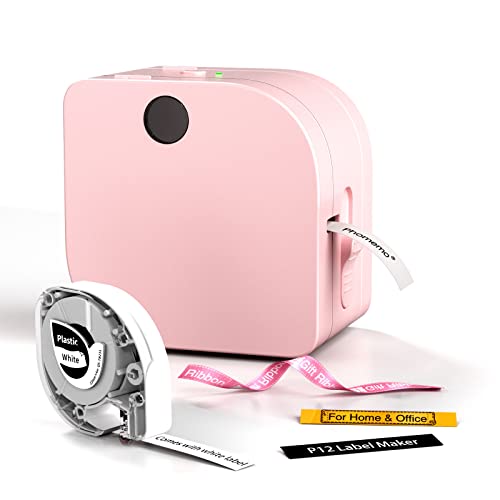
Satin ribbon tags bring a touch of elegance to delicate projects like lace shawls or fine-gauge silk knits. The smooth, shiny surface of satin contrasts beautifully with the matte texture of most natural yarns.
These tags are incredibly lightweight, meaning they won’t pull or distort your delicate tension. They are also very gentle on the skin, making them a top choice for garments intended for babies or those with sensory sensitivities.
The tradeoff is durability; satin is more prone to snagging than woven polyester. If you use these, ensure they are tucked away in a low-friction area, such as the back neck or an interior facing.
It’s Me Labels Personalized Washable Fabric Tags

Washable fabric tags are the workhorses of the knitting world. They are specifically engineered to withstand repeated agitation, moisture, and detergent without the text bleeding or the edges unraveling.
These are perfect for everyday items like socks, hats, and mittens that see heavy use. If you are knitting for children, these are essential, as they handle the rigorous laundry cycles that kids’ clothes inevitably face.
Don’t worry about them looking too "industrial." Many modern versions offer customizable fonts and colors, allowing you to maintain a professional look while ensuring the label survives the washing machine.
HiLabels Custom Printed Tags for Handmade Projects

HiLabels are a fantastic entry point for the knitter who wants to experiment with branding without a massive upfront investment. They are versatile, affordable, and come in a wide range of sizes and finishes.
These are particularly useful if you are still developing your "maker brand" and want to test different tag designs. Because they are printed, you can easily include detailed care instructions or even your social media handle.
The key to success here is placement. Since these are often thinner than woven labels, avoid placing them in high-stress areas where the fabric is constantly being stretched, as this can cause the print to crack over time.
How to Choose Between Woven and Printed Fiber Tags
Choosing between woven and printed tags comes down to the intended lifespan of your project. Woven labels are essentially part of the fabric structure, offering superior longevity and a premium appearance.
Printed tags, by contrast, are applied to the surface of the label material. They are usually more cost-effective and allow for more intricate detail, but they are more susceptible to fading after dozens of wash cycles.
- Choose Woven if: You are making heirloom-quality sweaters or heavy winter coats.
- Choose Printed if: You are making accessories, gifts, or projects that require specific, long-form care instructions.
Best Techniques for Attaching Labels to Your Knits
Attaching a label is a structural decision, not just an aesthetic one. The biggest mistake knitters make is using a thread that is too thick or too tight, which creates a "puckering" effect on the fabric.
I recommend using a fine, matching sewing thread and a sharp needle to catch only the "legs" of your stitches. This ensures the label is secure without pulling the surrounding yarn out of alignment.
If the garment is very stretchy, consider using a small piece of fusible interfacing behind the label area before sewing. This stabilizes the fabric and prevents the label from sagging or distorting the knit pattern.
Essential Care Symbols to Include on Your Garments
Including care symbols is the ultimate act of kindness toward the person wearing your work. Even if you explain the care instructions verbally, a label provides a permanent reminder that prevents "felted sweater" disasters.
At a minimum, your label should indicate:
- Washing method: Hand wash vs. machine wash.
- Temperature: Cold, warm, or cool water.
- Drying: Lay flat to dry or tumble dry low.
- Bleaching: Usually a "do not bleach" symbol for natural wools.
If you are using a superwash yarn, make sure to specify this, as it is often the most misunderstood fiber type. A clear label saves your hard work from being ruined by a well-intentioned but misinformed laundry session.
Labeling your projects is the final step in transitioning from a hobbyist to a true maker. Whether you choose the luxury of woven damask or the utility of washable printed tags, your signature adds immense value to your work. Take the time to match your label to the weight and fiber of your yarn to ensure it remains a beautiful, functional detail. Now that you have the right tools, go forth and sign your beautiful creations with pride.