
6 Best Spray Bottles For Wet Blocking To Own
Achieve perfect results with these 6 top-rated spray bottles for wet blocking. Discover durable, fine-mist options that ensure even moisture for your projects.
Blocking is the final, transformative step that turns a collection of loops into a professional-grade garment. While immersion soaking is traditional, spray blocking offers a controlled, fiber-safe alternative for delicate projects like lace or finished colorwork. Choosing the right sprayer ensures you dampen your fabric evenly without risking water spots or over-saturation. Here are the tools I rely on to achieve that perfect, ethereal drape every single time.
Flairosol Fine Mist Spray: Best Overall Choice
The Flairosol bottle is the gold standard for a reason. Its unique design creates a prolonged, pressurized mist that covers a wide surface area without the need for constant pumping.
For delicate fibers like lace-weight alpaca or hand-dyed silk, this even distribution is crucial. You won’t end up with "wet spots" that could cause uneven stretching or bleeding of saturated dyes.
The downside is that the mechanism is somewhat sensitive to mineral buildup. If you use hard tap water, you will need to flush the nozzle with distilled water occasionally to keep that beautiful mist consistent.
Tolco 32oz Professional Trigger Sprayer
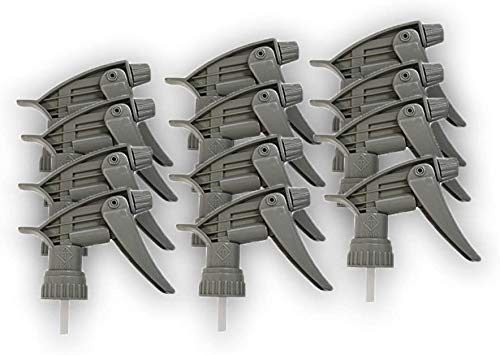

If you are blocking a large-scale project like a heavy wool blanket or a chunky sweater, the Tolco is your workhorse. It features a high-output trigger that moves a significant amount of water in a single pull.
You don’t want to be squeezing a tiny trigger hundreds of times while trying to pin out a six-foot afghan. The sheer capacity of this bottle saves your hand muscles from cramping during long blocking sessions.
However, the spray pattern is often more "stream-heavy" than a fine mist. Use this for hearty, rustic wools that can handle a bit more weight, rather than fragile, high-twist luxury yarns.
B06 Continuous Mist Spray Bottle for Blocking

This bottle is a favorite among knitters who appreciate a sleek, ergonomic design. It mimics the Flairosol’s continuous action but often comes at a more accessible price point.
The fine mist is perfect for "damp blocking," which is ideal when you want to shape a garment without fully submerging it. It’s particularly useful for refreshing a sweater that has lost its shape slightly after a few wears.
Be mindful that these pressurized bottles have a specific "sweet spot" for how full they should be. Filling them to the absolute brim can sometimes interfere with the pressure buildup, so leave a little headspace.
Sally Beauty Pro Master Continuous Sprayer

Often found in salon supply stores, this sprayer is built to withstand heavy, daily use. It is incredibly durable and provides a consistent, ultra-fine fog that is gentle on delicate fibers.
When working with lighter-than-air fibers like mohair or angora, you want to avoid "blast" pressure that might mat the halo. This sprayer allows you to build up moisture slowly, ensuring the fiber is damp enough to shape without being forced down.
The only real trade-off is the aesthetics; it is clearly a utility tool rather than a pretty studio accessory. If you value function over form, this is a top-tier choice for your knitting kit.
Zep Professional Grade Plastic Spray Bottle

The Zep is the classic, no-nonsense choice for the pragmatic knitter. Its adjustable nozzle allows you to switch from a wide spray to a targeted stream with a simple twist.
This versatility is helpful if you have a project with varying needs, such as a sweater with a heavy cabled front and delicate stockinette sleeves. You can adjust the nozzle to dampen the cables more heavily while keeping the mist light on the sleeves.
Because it is a standard trigger sprayer, it does require more manual effort. It is not the best choice for those with arthritis, but its longevity and chemical resistance make it a reliable tool for years.
Canyon Industrial Heavy Duty Trigger Sprayer

Canyon sprayers are designed for industrial use, meaning the internal seals are far superior to standard household bottles. If you frequently use blocking solutions like Eucalan or Soak in your water, these seals won’t degrade.
Many knitters mistakenly add soap directly to cheap sprayers, which causes the internal springs to rust or the rubber gaskets to fail. The Canyon is built to handle these additives without leaking or losing suction.
It is an investment piece for your tool chest. While it lacks the "fine mist" beauty of the Flairosol, it wins on pure mechanical reliability and longevity.
Essential Features for a Quality Blocking Mists
When shopping for a sprayer, look for consistent output and ergonomic triggers. You want a bottle that feels comfortable in your hand, even when you have been pinning down a large lace shawl for twenty minutes.
Consider the nozzle adjustability. A fine mist is generally safer for blocking because it prevents the fibers from becoming waterlogged, which can lead to excessive stretching or "sagging" in gravity-prone areas like the shoulders.
Lastly, check for chemical compatibility. If you like to use scented wool washes or blocking sprays, ensure the plastic and the seals are rated for those ingredients to avoid a leaky mess on your project.

Why Fine Mist Matters for Delicate Fiber Care
Fine misting is the secret to blocking fragile fibers like silk, cashmere, and fine-gauge alpaca. These fibers are prone to "felting" or matting if they are hit with a heavy stream of water.
A fine mist allows moisture to penetrate the fiber surface slowly and evenly. This prepares the yarn to be stretched into its final shape without the stress of sudden, heavy weight.
Think of it as a gentle spa treatment for your yarn. By using a fine mist, you ensure that the stitches relax into their new position naturally, rather than being forced by a deluge of water.
How to Properly Dampen Knits Before Blocking
Always start by laying your garment out on your blocking mats in the general shape you desire. Begin misting from a distance of about 8 to 10 inches to ensure the mist settles evenly.
Don’t try to saturate the fabric in one pass. It is much better to mist, wait a moment for the fiber to absorb the water, and then mist again if necessary.
If you are blocking cables or colorwork, be extra careful not to over-saturate. Excessive water can cause darker colors to bleed into lighter ones, which is a tragedy after hours of hard work.
Maintenance Tips to Prevent Clogged Nozzles
The most common cause of a "dead" sprayer is mineral buildup from tap water. Always try to use distilled water in your spray bottles to keep the internal mechanisms clean and free of scale.
If your sprayer starts to sputter, try running a mixture of warm water and a splash of white vinegar through the nozzle. This will dissolve mineral deposits and restore the spray pattern.
Store your bottles upright and ensure the trigger is in the "off" or "closed" position when not in use. This prevents the spring from staying under tension and keeps dust from settling into the nozzle opening.
Investing in a quality spray bottle is one of the most underrated ways to improve the professional look of your finished knitwear. Whether you choose a high-pressure continuous mister or a rugged industrial trigger, the goal is always even, controlled moisture. Take care of your tools, and they will help you achieve the perfect drape on every project you create. Happy blocking!