6 Best Ergonomic Needle Sets For Arthritic Hands
Discover the 6 best ergonomic needles for arthritic hands. Our guide reviews top-rated, comfortable designs that reduce joint strain for pain-free crafting.
Knitting should be a lifelong joy, but arthritic hands often turn a relaxing evening into a painful chore. Finding the right tools can bridge the gap between discomfort and the ability to continue your craft for hours on end. By prioritizing ergonomics and proper technique, you can significantly reduce the strain on your joints and tendons. These six needle sets are specifically selected to help you reclaim your knitting time without sacrificing your creative output.
ChiaoGoo Twist Red Lace: Best Overall Choice
These needles are legendary for a reason, offering a near-perfect balance of precision and durability. The surgical-grade stainless steel provides a smooth surface that allows yarn to glide effortlessly, which reduces the physical effort required to move stitches.
The signature "Red" cable is the real hero here, as it features a multi-strand steel core coated in nylon. It remains flexible without kinking, ensuring that your project weight doesn’t pull awkwardly on your wrists.
If you struggle with heavy projects like wool blankets or dense colorwork, the stability of these cables is a game-changer. They offer a reliable, consistent knitting experience that minimizes the need for a death grip on your needles.
Lykke Driftwood Set: Best for Warmth and Grip
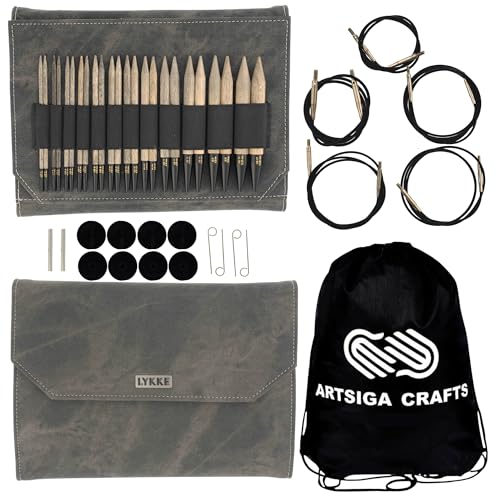

If you find that metal needles feel cold or slippery, the Lykke Driftwood set is likely your best companion. Crafted from smooth, polished birch, these needles provide a natural, tactile warmth that feels gentle against inflamed joints.
The wood offers just enough "grab" to keep your stitches from sliding off unexpectedly. This is particularly helpful if you are working with slick fibers like silk or bamboo, where metal needles might require you to tense your hands to maintain control.
While wood needles are slightly more prone to snapping if sat upon, their lightweight nature is a massive benefit for marathon knitting sessions. They are significantly lighter than their steel counterparts, which helps prevent hand fatigue during long projects.
Addi Click Rocket Set: Best for Fast Knitting

Addi’s Rocket needles are designed for speed, featuring a nickel-plated finish that is exceptionally slick. For knitters who have lost some range of motion, this reduced friction allows stitches to transition from needle to needle with minimal hand movement.

The "Click" system is a standout feature for those with limited dexterity in their fingers. Instead of struggling with tiny keys or screws, the needles lock into the cable with a simple push-and-twist motion.
This system eliminates the need for fine motor precision when changing needle sizes or cable lengths. It is an ideal choice for makers who want to swap between projects without the frustration of fiddly hardware.
Knitter’s Pride Ginger Set: Best Ergonomics

The Ginger set stands out because of its unique, tapered point and warm, laminated wood construction. The shape is specifically engineered to be ergonomic, providing a smooth transition from the needle tip to the shaft.
This design helps prevent the "hooking" motion that often aggravates arthritic knuckles during repetitive purling. The wood is exceptionally smooth, ensuring that you don’t have to fight against friction while working through complex lace patterns.
These needles feel substantial in the hand without being heavy, providing a sense of control that can be reassuring. They are a fantastic middle-ground option for those who find metal too slick and other woods too grippy.
HiyaHiya Sharp Steel Set: Best for Precision

When you are working with intricate lace or fine-gauge yarn, precision is essential to avoid unnecessary hand strain. HiyaHiya Sharps feature a tapered tip that enters the stitch with almost no effort, reducing the pressure you need to exert on the needle.
The stainless steel construction is polished to a high sheen, ensuring that yarn moves rapidly across the needles. Because the tips are so sharp, you can pick up stitches with minimal finger movement.
Be aware that these tips are very pointed; if you have a habit of pushing the needle tip with your index finger, you may need to use a leather thimble. For those with arthritis, however, the ease of stitch entry far outweighs the need for a protective guard.
Kollage Square Needles: Best for Joint Relief

Kollage needles feature a square cross-section that is fundamentally different from traditional round needles. This shape allows your fingers to rest on a flat surface, which requires less gripping force to hold the needle steady.
Many knitters with arthritis report that the square shape significantly reduces cramping in the palm and thumb. By changing the surface area in contact with your skin, you can maintain your gauge without clenching your muscles.
These needles are available in both firm and soft cable options, allowing you to customize your setup for your specific project. If you have been struggling with chronic hand pain, this ergonomic shift in geometry is often the most effective solution.
How to Select Needles for Arthritic Knitting
Choosing the right needle is a process of balancing your project requirements with your physical needs. Start by identifying whether your pain stems from "gripping too hard" or "stretching too far."
- If you grip too hard: Switch to square needles or needles with a slightly grippy wooden surface.
- If you have limited range of motion: Choose slicker metal needles to reduce the amount of movement required to move stitches.
- If you have heavy projects: Prioritize lightweight materials like bamboo or hollow metal to reduce the weight hanging from your wrists.
Always consider the weight of your yarn as well. A heavy, worsted-weight wool project will feel much more taxing on your joints than a light fingering-weight shawl, regardless of the needle material.
Why Needle Material Impacts Hand Comfort Levels
Needle material is not just about aesthetics; it dictates the amount of friction your hands must overcome. Metal needles are the fastest, but they require a tighter grip to prevent stitches from sliding off prematurely.
Wooden or bamboo needles provide natural friction, which acts as a "brake" for your yarn. This allows your hands to relax, as you don’t have to constantly monitor your tension to keep the stitches in place.
Synthetic or plastic needles often fall somewhere in the middle, but they can sometimes feel "sticky" if your hands get warm. If you are prone to inflammation, avoid needles that feel heavy or require you to exert force to move the yarn along the shaft.
Proper Grip Techniques to Reduce Wrist Strain
Many knitters inadvertently cause themselves pain by using a "stranglehold" on their needles. Try to cultivate a "loose" grip, where the needles rest in your palms rather than being held tightly by your fingertips.
If you are a "thrower" (holding the yarn in your right hand), try to keep your movements small and fluid. Avoid large, sweeping arm motions that can lead to repetitive strain injuries in the elbow and shoulder.
If you are a "picker" (holding the yarn in your left hand), ensure your left wrist is kept in a neutral position. A bent or "cocked" wrist is a primary culprit for nerve compression and long-term joint pain.
Essential Stretching Exercises for Hand Health
Before you pick up your needles, take two minutes to warm up your hands. Start by gently making a fist and then spreading your fingers wide, repeating this ten times to increase circulation.
- Thumb Touches: Touch the tip of each finger to your thumb to maintain dexterity.
- Wrist Circles: Rotate your wrists slowly in both directions to release tension accumulated from the day.
- Prayer Stretch: Press your palms together in front of your chest and slowly lower them to stretch the forearms.
Never knit through sharp, shooting pain. If your hands feel stiff, take a break, perform these stretches, and return to your project only when your muscles feel relaxed and supple.
Managing arthritis shouldn’t mean the end of your knitting journey, but it does require a more mindful approach to your tools and habits. By choosing needles that support your physical needs and incorporating gentle stretches into your routine, you can keep creating beautiful things for years to come. Remember that your comfort is the most important part of the process, so don’t be afraid to experiment until you find the perfect fit. Happy knitting, and may your stitches always be smooth and your hands remain pain-free.