6 Best Beeswax Blocks For Thread Conditioning Reviewed
Discover the top 6 beeswax blocks for smoother, stronger sewing. We review the best options to prevent tangling and enhance your thread’s durability today.
Thread conditioning is the secret weapon that separates a frustrating, knot-prone project from a smooth, meditative stitching experience. Whether you are reinforcing buttonholes or working with delicate embroidery threads, a quality beeswax block reduces friction and prevents fraying. Over my two decades in the fiber arts, I have found that the right wax can completely change the way your materials behave. Here are the six best options to keep in your sewing basket.
Dritz Beeswax Holder: Best Overall for Beginners


If you have ever struggled with a block of wax slipping out of your hands or leaving greasy residue on your fingers, this holder is a game-changer. It comes in a convenient plastic case with slots that allow you to pull your thread through without ever making direct contact with the wax.
This design is perfect for beginners who are still learning how much pressure to apply when coating their thread. By keeping the wax contained, it prevents the "over-waxing" issue that often leads to stiff, unusable thread. It provides just enough coating to glide through fabric without leaving a heavy, waxy buildup.
The bottom line: It is the most user-friendly option for someone just starting their sewing journey. You get the benefits of conditioning without the mess.
Bohin Beeswax Refill: Best for Precision Sewing
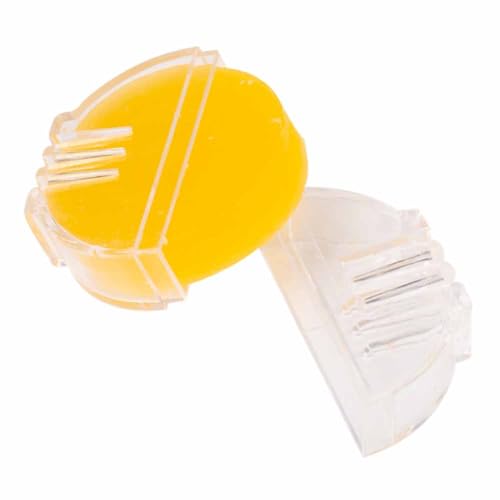
Bohin is synonymous with high-quality notions, and their beeswax refill is no exception. It is a dense, high-purity wax that feels firmer than the average supermarket candle. This density is exactly what you want when working with fine silk or metallic threads that are prone to snapping.
Because it is so firm, it doesn’t leave large, clumpy deposits on your thread. This is critical for precision work, such as heirloom sewing or detailed quilting, where you cannot afford to have wax flakes show up on your finished project. It keeps your thread slick and consistent from start to finish.
The bottom line: Choose this if your work requires extreme accuracy and you need a wax that won’t flake or gum up your needle eye.
Clover Bee Wax: Best for Smooth Thread Gliding

Clover has a knack for making tools that just feel right in the hand, and their Bee Wax is designed specifically for ease of use. It features a unique groove pattern that helps distribute the wax evenly across the thread’s surface.
When you pull your thread through the grooves, the wax is applied in thin, uniform layers. This is particularly helpful for those working with multi-ply threads that tend to split or fray as they pass through the eye of a needle. It turns a stubborn, grippy thread into a smooth, manageable cord.
The bottom line: This is the best choice if you struggle with thread breakage or if you are working with fibers that have a lot of natural drag.
Collins Beeswax: Best Value for Bulk Projects

When you are tackling a large-scale project, like a full-sized quilt or a series of embroidered linens, you don’t want to run out of supplies halfway through. Collins offers a generous, no-nonsense block that provides excellent value for the price.
It lacks the bells and whistles of a fancy holder, but it makes up for it in sheer utility. The wax is slightly softer, which makes it very easy to apply in colder climates where harder waxes might become brittle and crack. It is a reliable workhorse for any sewing room.
The bottom line: Keep a block of Collins in your stash for those long-term projects where you need a dependable, cost-effective solution.
Thread Heaven Replacement: Best Synthetic Option

While many crafters prefer natural beeswax, there are times when a synthetic conditioner is superior. Thread Heaven was long the gold standard for this, and modern replacements offer that same non-toxic, non-greasy performance.
Synthetic conditioners are ideal for those who are sensitive to the scent of beeswax or who worry about potential staining on delicate, light-colored fabrics. They provide a high-tech slickness that is often superior to natural wax when working with synthetic fibers like polyester or nylon sewing threads.
The bottom line: Use this if you want a clean, scent-free, and highly effective alternative that won’t risk leaving a yellow tint on your work.
Bee Natural Wax: Best Pure Organic Formulation
For the purist who wants to ensure that every tool in their kit is as natural as possible, Bee Natural is the gold standard. It is sourced from high-quality, organic hives and is free from the additives or bleaching agents found in cheaper alternatives.
The texture is rich and provides a lovely, subtle scent that makes the act of conditioning your thread feel like a ritual rather than a chore. Because it is pure, it melts cleanly and integrates beautifully into natural fibers like cotton, linen, and silk.
The bottom line: If you prioritize eco-friendly, pure materials in your fiber arts practice, this is the only block you should consider.
Why Thread Conditioning Matters for Fiber Arts
Thread conditioning is essentially a lubricant for your thread. When you pull thread through fabric, the friction causes the fibers to heat up and fray, which eventually leads to the thread snapping or creating unsightly knots.
By applying a thin layer of wax, you fill in the gaps between the fibers, creating a smooth, cohesive surface. This is especially important when you are using:
- Metallic or decorative threads that are prone to tangling.
- Natural cotton threads that have a high amount of "fuzz."
- Long stitches where the thread passes through fabric multiple times.
The bottom line: A conditioned thread is a stronger thread. It saves you time and prevents the frustration of having to re-thread your needle constantly.
How to Apply Beeswax to Threads and Yarns
Applying wax is an art, not a science. The goal is to apply a light, even coating—not to saturate the thread. Simply hold the thread against the block with your thumb and pull it through once or twice.
If you are using a block, you can also press the thread into the surface and pull it across, but be careful not to apply too much pressure. If you find your thread looks white or feels sticky, you have used too much. You can easily remove excess by running the thread through a scrap piece of fabric a few times.
The bottom line: Less is more. You want the thread to feel smooth to the touch, not waxy or heavy.
Beeswax vs. Paraffin: Choosing the Right Wax
You might be tempted to use a leftover candle to wax your thread, but I strongly advise against it. Paraffin wax is a byproduct of petroleum and lacks the natural tackiness and pliability of beeswax.
Beeswax is a natural resin that adheres to the fibers of your thread, whereas paraffin tends to sit on the surface and flake off. Paraffin can also leave a greasy residue that is difficult to wash out of delicate fabrics. Beeswax is the professional choice for a reason.
The bottom line: Always stick to beeswax or high-quality synthetic thread conditioners designed for sewing. Your fabric will thank you.
Frequently Asked Questions About Wax Blocks
Does beeswax expire? Beeswax has a very long shelf life, but it can become brittle if stored in direct sunlight or extreme heat. Keep it in a cool, dark place, and it will last for years.
Will wax stain my fabric? If you use pure, high-quality beeswax, it should not stain. However, always test on a scrap piece of fabric first, especially if you are working with white silk or very fine, porous materials.
Can I use wax on yarn for knitting? While thread conditioning is for sewing, some knitters use a light touch of wax on the tips of their needles to help yarn glide better. Just be aware that it can leave a residue on your yarn, so use it sparingly.
The bottom line: With proper storage and careful application, a single block of wax will last you through dozens of projects.
Choosing the right thread conditioner is a simple way to elevate your craft and reduce the daily frustrations of needlework. Whether you opt for the convenience of a Dritz holder or the purity of an organic block, the goal is always the same: a smoother, more reliable stitch. Take the time to experiment with these options, and you will soon find the perfect match for your personal stitching style. Happy making!