7 Best Steamer Sets For Acrylic Loom Projects
Discover the 7 best steamer sets for acrylic loom projects. Learn how to safely shape and soften your yarn for a professional finish in this expert guide.
If you have ever pulled an acrylic scarf off the loom only to find it stiff, uneven, or prone to curling, you know the frustration of an unfinished project. While acrylic is prized for its durability and affordability, it requires a specific touch to achieve that professional, draped finish. Steaming is the secret weapon that transforms "home-made" into "hand-crafted" by relaxing the synthetic fibers into their final, permanent shape. Here are the tools and techniques you need to master the art of finishing your loom-knit projects.
Conair ExtremeSteam Handheld Fabric Steamer


This steamer is a staple in many craft rooms because it balances power with a compact form factor. Its dual-heat technology is particularly useful for acrylic, as it provides a consistent, high-temperature output that penetrates the dense stitch patterns often found in loom knitting.
If you are working on a heavy-weight acrylic blanket, the continuous steam trigger is a game-changer. It allows you to maintain a steady flow of vapor without needing to constantly pump a button, which prevents hand fatigue during long blocking sessions.
The tradeoff here is the water tank capacity. You will find yourself refilling it frequently if you are blocking large-scale projects, but for hats, cowls, and scarves, it is perfectly adequate.
Rowenta X-Cel Steam Plus Garment Steamer

For those who prioritize speed and efficiency, the Rowenta offers an impressive steam output. Its heavy-duty metal steam head acts almost like a mini-iron, which helps in smoothing out stubborn, tight stitches that often occur with acrylic yarn.
I recommend this for knitters who frequently work with thicker, multi-ply acrylic yarns. The extra heat helps the fibers "bloom" or relax more thoroughly, resulting in a much softer hand-feel than you would get from a weaker unit.
Be careful, however, as the high heat can be aggressive. Keep the head moving constantly to avoid melting the synthetic fibers, as acrylic is essentially plastic and will lose its structure if exposed to direct, sustained heat.
PurSteam Elite Garment Steamer for Textiles

This unit is a powerhouse for the dedicated loom knitter who produces a high volume of work. It features a large water reservoir, meaning you can block multiple garments in one sitting without needing to stop for a refill.
The stand-up design is excellent for vertical steaming. I find this especially helpful when blocking long wraps or shawls; you can hang the piece on a dress form or a hanger and steam it from top to bottom without the piece bunching up on a table.
While it is bulkier than a handheld model, the consistent pressure it provides is superior for achieving uniform stitch definition. It is a solid investment if you plan on making loom knitting a long-term, frequent hobby.
Beautural 1200W Portable Steamer for Knits

The Beautural steamer is a reliable entry-level choice that excels at precision. Its smaller nozzle allows you to target specific areas of your project, such as ribbed brims or decorative cables, without steaming the entire garment unnecessarily.
If you are a beginner, this is a great place to start. It is lightweight, easy to maneuver around a blocking board, and provides enough power to soften acrylic without being intimidatingly powerful.
Remember that with smaller steamers, you must be patient. Work in small sections, allowing the steam to do the work rather than trying to rush the process by pressing the steamer directly into the yarn.
Hilife Steamer for Clothes and Fiber Crafts
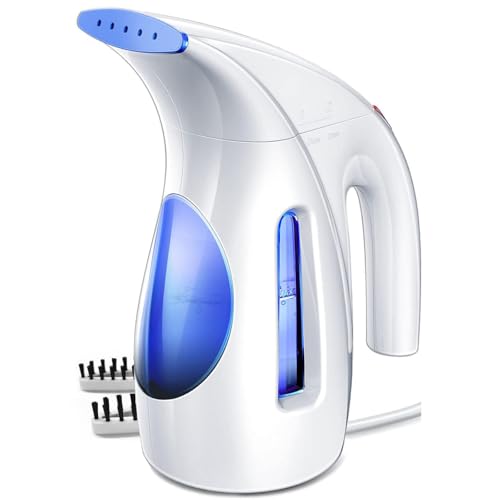
This is perhaps the most portable option on the list, making it ideal for knitters who take their projects to workshops or craft fairs. Its simplicity is its greatest strength, as there are no complex settings to navigate.
It is perfect for quick touch-ups or small projects like baby hats and fingerless mitts. Because it is so compact, it fits easily into a project bag, ensuring you can block your items as soon as they are cast off the loom.
Keep in mind that its output is moderate. It will take longer to steam-block a large project, so it is best suited for the knitter who prefers smaller, quick-turnaround projects.
J-2000 Jiffy Professional Garment Steamer

If you are a professional loom knitter or run a small business, the Jiffy is the gold standard. It is built to last for years and provides an unparalleled, consistent steam flow that handles even the most stubborn acrylic fibers with ease.
The durability of this machine is unmatched, but it does come with a higher price tag and a larger footprint. It is a tool for the dedicated maker who has a permanent space for blocking and finishing.
The rapid heat-up time is a major benefit for those who don’t have time to wait. It is a workhorse that turns the often-tedious task of blocking into a quick, professional step in your workflow.
Steamfast SF-717 Mini Travel Steam Press
While technically a travel iron, this tool is fantastic for "steam-pressing" acrylic projects on a flat surface. It is particularly effective for flat items like coasters, placemats, or the panels of a sweater that need crisp edges.
The small surface area allows you to control exactly where the steam goes. By using a "hover and press" technique—where you steam the fabric without letting the plate touch the yarn—you can achieve a flat, professional finish without crushing the stitches.
Always use a pressing cloth or a towel between the plate and the acrylic yarn. This prevents any accidental shine or melting, which can happen if the heated metal touches the synthetic fiber directly.
Why Steaming Acrylic Loom Projects is Essential
Acrylic is a synthetic fiber, and unlike natural wool, it does not "grow" or change shape significantly when wet. Instead, it relies on heat to relax the fibers into their final, permanent position after being stretched on a loom.
Without steaming, your loom-knit items may look "bumpy" or uneven, as the stitches are trapped in the tension they had while on the loom pegs. Steaming relaxes these loops, allowing them to settle into a uniform, professional-looking fabric.
Think of steaming as the final step of the construction process. It is not just about aesthetics; it is about ensuring the garment has the drape and flexibility required for comfortable wear.
Safety Tips for Steaming Synthetic Fiber Yarns
- Never touch the steamer head to the yarn. Acrylic is a plastic-based fiber and will melt or become shiny if it comes into direct contact with high heat.
- Keep the steamer moving. Constant motion ensures an even distribution of heat and prevents "hot spots" that could damage the yarn.
- Use a test swatch. Always steam a small, scrap piece of the same yarn first to see how it reacts to the heat before applying it to your finished project.
- Mind your fingers. Steam burns are serious; always use a pair of tongs or a blocking tool to hold the fabric if you need to manipulate it while it is hot.
How to Properly Block Acrylic Loom Knit Items
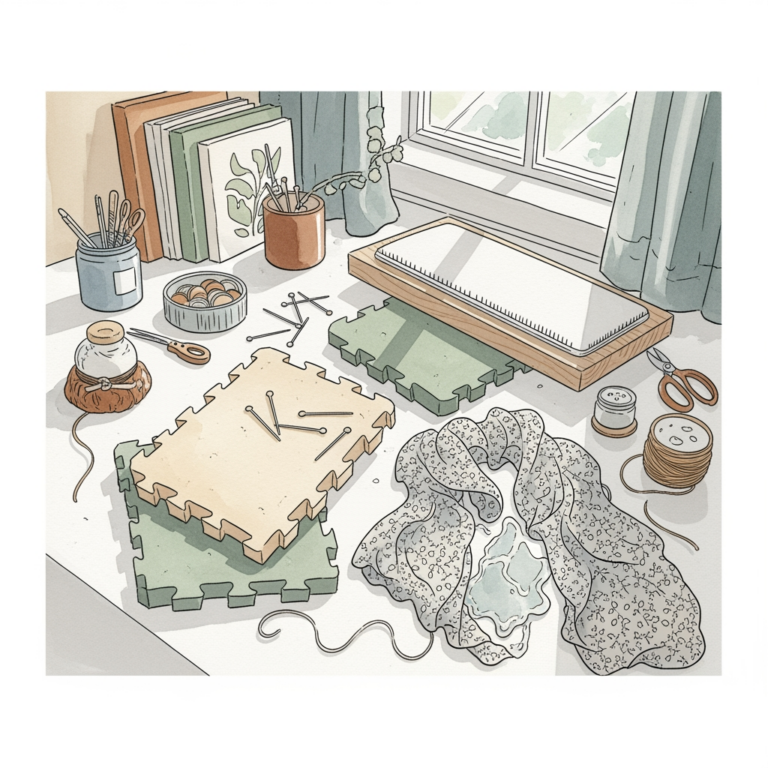
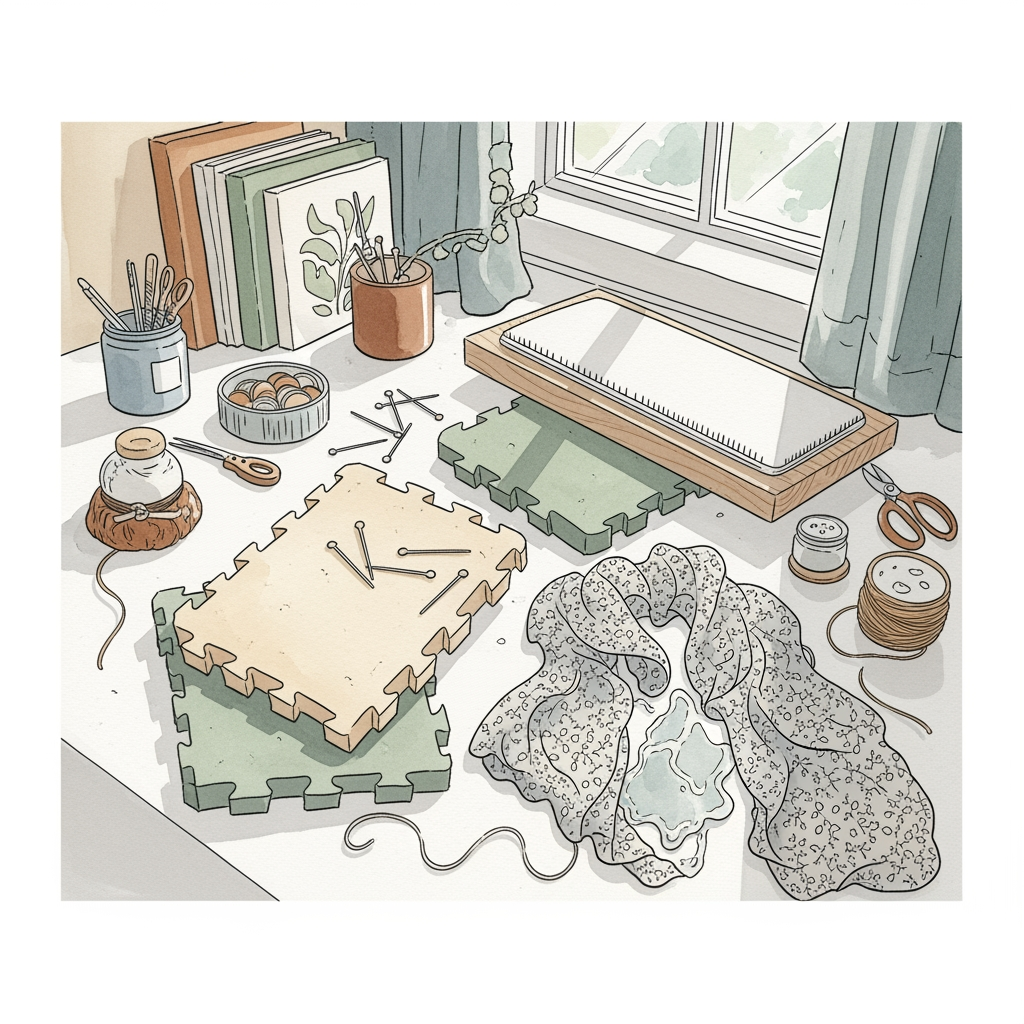
To begin, pin your project to a blocking mat or a soft surface using rust-proof T-pins. Ensure the piece is stretched to the desired dimensions, but don’t over-stretch, as acrylic does not have the same elasticity as wool.
Hold your steamer about 2 to 3 inches away from the fabric, moving it in a slow, sweeping motion. You want the steam to penetrate the fibers, not soak the fabric; if the yarn feels overly wet or hot to the touch, move the steamer further away.
Once you have steamed the entire piece, leave it pinned until it is completely cool and dry. This is the most critical step, as the acrylic fibers "set" their shape while they are cooling down, effectively locking your project into its final, beautiful form.
Mastering the steam-block is the final hurdle between a beginner and a master loom knitter. By choosing the right tool for your specific project needs and following these safety precautions, you can ensure your acrylic creations look polished and professional. Remember that patience is your best tool, as the fibers need time to relax and cool into their new shape. Happy knitting, and enjoy the transformation of your hard work.