6 Best Fiber Tweezers For Removing Vegetable Matter
Master plant-based prep with our top 6 fiber tweezers. We review the best precision tools for removing stubborn vegetable matter with ease and accuracy.
Preparing raw fleece for spinning or cleaning debris from a finished project is a meditative but meticulous task. When you find a stubborn piece of vegetable matter (VM) embedded in your fiber, the right tool makes the difference between a clean yarn and a broken lock. These six tweezers are the gold standard for fiber artists who prioritize precision and care. Choosing the right pair ensures you spend less time picking and more time at your wheel or needles.
Tweezerman Slant Tip: The Precision Gold Standard


The Tweezerman Slant is a household name for a reason, offering a perfectly aligned tip that meets flush every time. In the world of fiber arts, this consistency is vital when you are pulling a small piece of hay out of a delicate roving.
Because the tips are hand-filed, they catch even the smallest bits of chaff without snapping the fiber itself. If you are working with fine-micron wool, like Merino, this precision prevents you from accidentally thinning out your draft.
The trade-off here is the tension; these are quite springy. If you are processing a large fleece, your hand might tire faster than with a lighter-weight tool.
Rubis Classic Slant: Best for Deep Fiber Cleaning
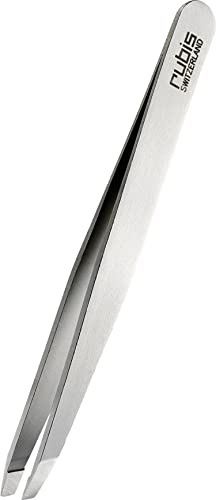
Rubis tweezers are engineered with a level of Swiss precision that feels surgical in your hand. They are particularly effective when VM has migrated deep into the center of a wool lock.
The grip on these is exceptional, allowing you to isolate a single piece of debris without disturbing the surrounding fibers. This is essential when you are working with long-staple fibers like Bluefaced Leicester, where you want to maintain the integrity of the lock structure.
They are an investment, certainly. However, for a serious spinner who processes raw fleeces regularly, the durability of the stainless steel tip is unmatched.
Uncle Bill’s Sliver Gripper: Best for Fine Debris

Uncle Bill’s is a favorite among knitters who keep a small kit in their project bag for emergency repairs. The unique design features a pointed tip that acts like a claw, making it ideal for grabbing tiny, sharp bits of debris.
These are incredibly lightweight and compact, which is perfect for travel knitting. If you find a rogue piece of straw in your skein while working on a lace project, these won’t weigh down your notions pouch.
The only downside is the lack of a wide gripping surface. They are meant for precision removal, not for pulling large chunks of matter out of heavily contaminated wool.
Regine Switzerland Diamond Tip: Ultimate Accuracy

Regine tweezers feature a specialized diamond-coated tip that provides extra friction against the debris. This is a game-changer when you are dealing with slippery, waxy vegetable matter that refuses to be plucked.
The diamond grit allows you to hold onto stubborn bits without needing to squeeze the tool with excessive force. By reducing the pressure needed, you prevent hand fatigue during long sessions of fiber preparation.
Because the tips are so grippy, you must be careful not to hold onto the wool fibers too tightly. A light touch is required to ensure you are grabbing the VM and not the precious wool itself.
Revlon Expert Tweezer: The Best Budget Selection

You don’t always need a high-end surgical tool to get the job done effectively. The Revlon Expert series offers a reliable, accessible option that performs consistently for most general fiber cleaning tasks.
These are widely available and offer a great balance of tension and tip alignment. They are perfect for the beginner spinner who is just starting to experiment with raw fleeces and isn’t ready to invest in professional-grade tools.
While they may not last a lifetime like a Swiss-made pair, they are more than adequate for clearing chaff from a typical project. They provide a solid, functional baseline for any fiber enthusiast.
Dritz Pointed Tweezer: Ideal for Small Burrs

Dritz is a brand synonymous with sewing notions, and their pointed tweezers are excellent for high-detail work. When you encounter small, prickly burrs that are snagged in the yarn, the sharp point is your best friend.
The fine tip allows you to navigate into the tightest areas of a twisted yarn or a dense lock. This is particularly useful for cleaning finished garments where you need to extract debris without pulling at the stitches.
Be mindful that these tips are very sharp. Use them with care to avoid accidentally piercing your fingers or fraying the yarn structure.
Why Vegetable Matter Impacts Your Finished Projects
Vegetable matter, or VM, refers to the bits of straw, hay, and seeds that cling to raw wool. If left in the fiber, these bits can cause "slubs" or thick spots in your handspun yarn.
When you knit with yarn containing excessive VM, it can create a scratchy texture against the skin. Furthermore, these bits can act as abrasives, potentially wearing down your knitting needles or snagging your lace work.
Removing VM is not just about aesthetics; it is about the structural integrity of your finished garment. Clean fiber results in a smoother, more consistent fabric that drapes beautifully.
How to Safely Remove Debris Without Fiber Damage
The golden rule of debris removal is to pull in the direction of the fiber growth. If you pull against the scales of the wool, you risk breaking the fiber or causing unnecessary felting.
Always isolate the piece of debris before applying pressure. If the VM is deeply embedded, try to gently tease the surrounding fibers apart with your fingers first.
Avoid "yanking" at the debris. A firm, steady pull is much safer for the fiber than a sudden, jerky movement.
Essential Tool Maintenance for Your Fiber Tweezers
Even the best tweezers can lose their alignment if they are dropped or stored improperly. Always keep your tweezers in a protective case to prevent the tips from becoming dull or bent.
If you find that your tweezers are slipping, clean the tips with a bit of rubbing alcohol to remove any natural oils from the wool. This simple step restores the grip and ensures you aren’t fighting your tools.
Check the alignment periodically by looking at the tips under a bright light. If they no longer meet perfectly, it may be time to replace them or try to gently realign them with needle-nose pliers.
Expert Tips for Cleaning Raw Wool Before Spinning
The best way to manage VM is to remove it during the skirting and washing process. Use a pair of large, blunt-tipped tweezers or your fingers to remove large chunks before you even begin to card.
- Skirting: Remove the heavily soiled edges of the fleece before washing.
- Soaking: A gentle soak can help loosen stubborn bits of dirt and debris.
- Carding: Use your hand cards to flick the tips of the locks, which often releases smaller bits of chaff.
- Drafting: Keep your tweezers nearby while you spin to catch any last-minute intruders.
Remember that a perfectly clean fleece is rare, and that is part of the charm of working with natural fibers. Focus on removing the large, uncomfortable bits, and don’t stress over every single speck of dust.
Selecting the right fiber tweezers is a personal journey that depends on your specific spinning habits and the type of wool you prefer. Whether you opt for the precision of a Swiss-made tool or the accessibility of a budget-friendly pair, the goal remains the same: clean, beautiful yarn. Take the time to care for your tools, and they will help you create projects that are as professional as they are soft. Happy spinning and may your fiber always be free of unwanted debris.