6 Best Compact Scissor Sets For Carry-on Luggage
Travel light with our top 6 compact scissor picks. These TSA-compliant tools offer precision and portability, ensuring you’re prepared for any journey ahead.
Traveling with knitting projects is a rite of passage for every dedicated maker, but getting your tools through security can feel like a high-stakes game. The secret lies in understanding TSA guidelines and choosing high-quality, compact tools that don’t compromise on cutting power. Whether you are working on a delicate lace shawl or a sturdy wool sweater, having the right snips makes all the difference. Here are the best compact scissor options to keep your project bag compliant and ready for the skies.
Gingher 3.5-Inch Stork Embroidery Scissors


The iconic stork design isn’t just for show; these scissors offer a level of precision that is hard to beat for trimming yarn ends or clipping stray threads. Their slender, needle-sharp points are ideal for getting into tight spots, such as when you need to snip a float during stranded colorwork without nicking your main fabric.
Because they are forged from high-quality steel, they maintain their edge through years of heavy use. However, the fine tips are delicate and can be bent if dropped or tossed carelessly into a project bag.
If you choose these, invest in a sturdy leather sheath to protect the tips and keep them from snagging your yarn. They are a classic choice for the knitter who values both aesthetic beauty and surgical-grade accuracy.
Clover Patchwork Scissors with Safety Caps

Clover is a brand that understands the practical needs of crafters, and these patchwork scissors are a testament to that focus. The inclusion of a dedicated safety cap is a game-changer for air travel, as it keeps the blades locked and prevents them from accidentally opening in your carry-on.
These blades are surprisingly robust and can handle thicker yarns, like worsted-weight wool, with ease. While they aren’t as "elegant" as stork scissors, their ergonomic handle design makes them comfortable for long sessions of weaving in ends.
The bottom line is that these provide peace of mind. If you are prone to rummaging through your bag in a dark airplane cabin, the safety cap is an essential feature you shouldn’t ignore.
Fiskars Folding Scissors for Travel Kits
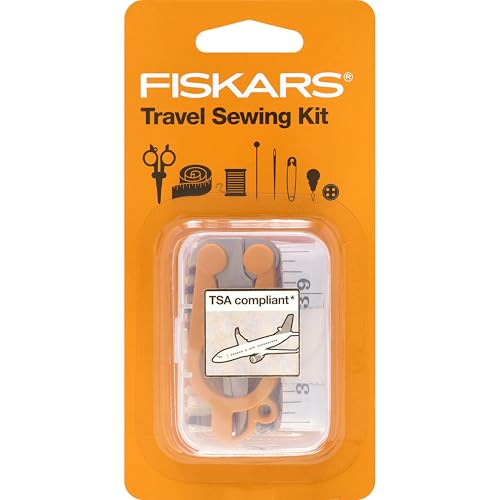
Fiskars is well-known for their reliable cutting edges, and their folding scissors are a marvel of space-saving engineering. When folded, they are barely larger than a standard lipstick tube, making them perfect for the most minimalist travel kits.
The folding mechanism is surprisingly durable, though it can feel a bit loose after years of repeated use. They are best suited for cutting standard acrylic or wool blends rather than heavy-duty cotton cord or metallic yarns.
For the knitter who packs light—perhaps just a single pair of socks and a set of circular needles—these are the ultimate space-savers. Just be sure to practice opening and closing them a few times before you head to the airport.
Westcott Titanium Bonded Mini Scissors

Titanium-bonded blades are significantly harder than standard stainless steel, which means they stay sharper for much longer. These mini scissors from Westcott are small enough to fit in any notions pouch, yet they offer a smooth, clean cut that won’t fray the ends of your yarn.
The non-stick coating on some models is a hidden benefit if you happen to be working with sticky fibers or yarns that have been treated with waxes. They glide through yarn like butter, reducing the amount of force you need to apply to get a clean finish.
While they are excellent for most fibers, avoid using them on wire or heavy metallic threads, as this can dull the titanium edge prematurely. They are a workhorse tool for the knitter who wants a sharp edge that lasts.
Merchant & Mills Traditional Snippers
These traditional snippers are a favorite among makers who appreciate tools that feel like they have a history. Unlike scissors with finger loops, these are spring-loaded and operate with a simple squeeze, which can be much easier on the hands if you suffer from repetitive strain or arthritis.
They are incredibly compact and lack the protruding points of traditional scissors, which makes them less likely to be flagged by security agents. They excel at quick, repetitive snips, such as when you are finishing a project with dozens of color changes.
They do have a learning curve, especially if you are used to the leverage provided by finger loops. Once you master the squeeze, however, you may find that you never want to go back to traditional scissors.
LDH Scissors Thread Snips for Knitters
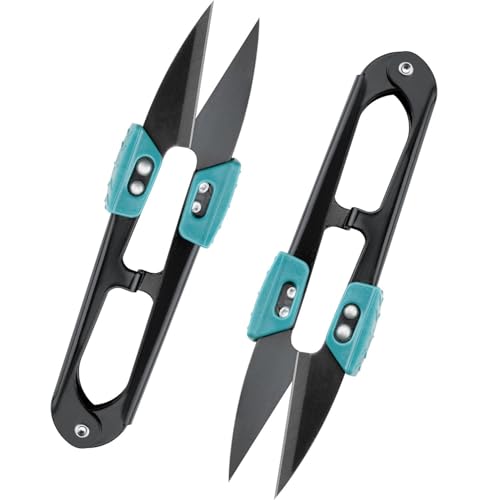
LDH Scissors are crafted with a level of attention to detail that is rare in modern notions. Their thread snips are specifically designed for the fiber arts, offering a sharp, consistent cut that is essential when working with delicate fibers like silk or mohair.
The weight and balance of these snips feel substantial in the hand, signaling quality construction. They are small enough for carry-on travel but perform as well as any full-sized pair of shears you might have in your home studio.
These are an investment piece for the serious knitter. If you spend your time working with expensive, hand-dyed yarns, you want a tool that treats your fiber with the respect it deserves.

TSA Regulations for Knitting Tools Explained
The TSA generally allows scissors in carry-on luggage as long as the blades are shorter than 4 inches from the pivot point. However, security agents have the final say, and they may confiscate tools that they deem "sharp" or "dangerous" regardless of the measurement.
To avoid trouble, always carry your scissors in a clear notions pouch. This shows the agent exactly what you have and demonstrates that you are being transparent about your tools.
Avoid "tactical" looking scissors or anything with a serrated blade, as these are more likely to attract unwanted scrutiny. Stick to simple, craft-oriented designs to keep your passage through security smooth and stress-free.
Why Blade Length Matters for Carry-on Travel
The 4-inch rule is the industry standard for carry-on items, but shorter is almost always better when flying. A 3-inch blade is more than enough to handle any yarn-cutting task you will encounter while sitting in a middle seat.
Longer blades are unnecessary for knitting and only increase the likelihood that an agent will pull your bag for a manual search. By keeping your blades under 3.5 inches, you stay well within the safety margin.
Remember that the blade length is measured from the pivot point, not the total length of the tool. Always check your specific scissors before you pack to ensure you aren’t accidentally carrying a restricted item.
Protecting Your Scissors in Your Project Bag
Never toss loose scissors into your project bag, as they can easily poke through your yarn or scratch your expensive wooden needles. A dedicated leather or heavy-duty fabric sheath is the best way to protect both your tools and your project.
If you don’t have a sheath, a simple cork pushed onto the points of your scissors can act as a DIY protector. This keeps the sharp tips from snagging your knitting or puncturing your notions pouch.
Treating your tools with care ensures they stay sharp and ready for your next project. A small investment in protection will save you from the frustration of a ruined, snagged garment mid-flight.
Essential Features for Compact Travel Shears
When selecting travel shears, look for a balance between cutting performance and safety. A good pair of travel scissors should have:
- A rounded or blunt tip: To prevent accidental stabs or snags.
- A secure locking mechanism: To keep blades closed in transit.
- High-carbon or titanium-bonded steel: For edge retention.
- An ergonomic grip: To reduce hand fatigue during long travel days.
Avoid novelty scissors that prioritize looks over function. While a pair of scissors shaped like a cat might be cute, if they don’t cut cleanly, they will only leave you with frayed, messy yarn ends.
Choose a tool that feels natural in your hand and fits your specific project needs. When you have the right tool, you can focus on the rhythmic joy of knitting, no matter where your travels take you.
Packing the right scissors for your carry-on is all about balancing TSA compliance with the high standards of your craft. By choosing compact, high-quality tools and protecting them properly, you ensure that your knitting journey remains uninterrupted by airport security. Remember that the best tool is the one that stays sharp, fits your hand, and helps you achieve that clean, professional finish on every project. Happy knitting, and may your travels be as smooth as your favorite merino wool.