6 Best Waterproof Labels For Dye Inventory To Use
Discover the 6 best waterproof labels for dye inventory. This guide evaluates durability and adhesion to help you keep your chemical stock organized and safe.
Organizing a dye studio requires more than just good intentions; it demands materials that can survive the humid, splash-prone reality of working with wool and liquid color. When you are deep into a batch of hand-dyed merino, the last thing you want is for your inventory tracking to wash away or smudge. Choosing the right waterproof label ensures your colorways and dye lot numbers remain legible from the first soak to the final skein. These six options offer the durability needed to keep your fiber stash perfectly cataloged.
Avery Industrial UltraDuty Waterproof Labels


These labels are the gold standard for heavy-duty studio organization. Designed to withstand extreme temperatures and chemical exposure, they are virtually indestructible once applied to a dry surface.
If you are managing large quantities of yarn, these sheets allow you to print high-density information like dye lot, fiber content, and weight. They don’t peel away when exposed to the high steam of a dye pot or the occasional spill of citric acid.
Be aware that these are best for labeling bins or storage boxes rather than the yarn tags themselves. Because they are stiff, they can be difficult to wrap around a skein of delicate laceweight mohair without causing snags.
Brother P-Touch TZe Laminated Tape Labels

The P-Touch system is a staple in many fiber studios for a reason: the labels are protected by a clear, laminated layer. This keeps your text from scratching off, even if your hands are covered in dye residue.
These are perfect for labeling the ends of your shelving units or identifying specific dye stock containers. The adhesive is strong enough to stick to plastic bins, yet it can be removed with a bit of effort if you reorganize your studio layout.
The main trade-off is the cost per inch. If you are labeling hundreds of individual skeins, this system becomes expensive quickly. Stick to using these for your primary inventory containers to balance cost and durability.
Online Labels Weatherproof Polyester Sheets

For the dyer who wants custom, professional-looking tags, these polyester sheets are a game-changer. They feed through a standard laser printer and produce a crisp, smudge-proof result that looks great on a finished product.
Because they are made of polyester, they won’t disintegrate when they get wet during the rinsing process. You can confidently attach these to your skeins before they hit the final soak, ensuring your colorway names stay intact.
Always verify your printer type before purchasing, as these are specifically engineered for either inkjet or laser machines. Using the wrong sheet will result in ink that wipes off the moment it touches a drop of water.
Dymo LetraTag Plastic Embossing Tape

If you prefer a tactile, low-tech solution, plastic embossing tape is a reliable choice. It doesn’t rely on ink, so there is zero risk of smearing, no matter how much water or dye splashes onto your workspace.
These labels are incredibly durable and resistant to the humidity found in a basement or garage dye room. They work best for identifying your "master" tools, such as your large stainless steel pots, stirring sticks, or measuring beakers.
The adhesive on these tapes can weaken over time if they are constantly submerged in hot water. Use them for your equipment storage rather than the yarn itself, where the label might be subjected to repeated soaking and drying cycles.
Memorex Waterproof CD/DVD Marking Labels
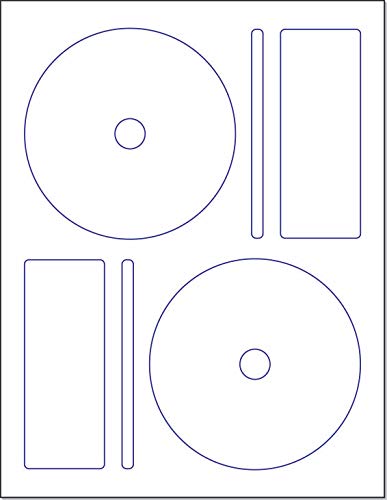
While these were originally designed for media, their waterproof coating is surprisingly effective for fiber arts. They are typically sized for circular applications, which makes them ideal for labeling the tops of your dye jars or dye stock bottles.
The adhesive is designed to hold tight on smooth surfaces, which is exactly what you need for plastic or glass dye containers. They provide a clean, uniform look that makes finding a specific color of acid dye feel like browsing a library.
Don’t expect these to hold up to heavy physical wear, though. They are great for organizational labeling, but they aren’t designed to be handled constantly or moved between different storage containers.
Epson LabelWorks Iron-On Fabric Tape

This is a unique solution for those who want a permanent, soft label that won’t scratch the yarn. By using iron-on tape, you can fuse a label directly to a fabric tag or a piece of scrap yarn that stays with the skein.
It creates a professional, finished look that feels much more high-end than a plastic sticker. It’s an excellent choice if you are selling your yarn at craft fairs and want your branding to be as durable as the fiber itself.
The downside is the labor involved. You have to cut and heat-set each label individually, which is a significant time commitment. Reserve this method for your final product tags rather than your internal inventory management.
Why Waterproof Labels Matter for Dye Studios
In a professional dye studio, humidity is a constant companion. Between the steam from the dye pots and the damp air required for wool to absorb color, paper labels will turn to mush within days.
Beyond simple moisture, you are dealing with concentrated pigments and acidic solutions. A standard label will absorb these liquids, turning your carefully written notes into an unreadable mess of indigo or fuchsia ink.
Investing in waterproof materials protects your investment. When you spend hours developing a specific colorway, losing the record of that recipe because a label fell off or smeared is a heartbreak you want to avoid.
Essential Tips for Labeling Yarn Dye Batches
Always label your dye batch before you start the process, not after. If you wait until your hands are wet or stained, you are far more likely to make a mistake or smudge your notes.
Use a consistent format for every tag: Colorway Name, Dye Lot, Fiber Content, and Date. This level of detail is vital if you ever need to recreate a color for a knitter who ran out of yarn halfway through a sweater.
Consider using a hole punch to attach your label to a sturdy hang-tag. This keeps the label away from the wet fiber during the rinsing and drying process, preventing the adhesive from interacting with the wool fibers.
How to Prevent Ink Smearing on Wet Labels
If you are using inkjet-printed labels, the ink is the weak point. Even on "waterproof" paper, the ink itself can be water-soluble, leading to a blurry, illegible mess the moment it encounters moisture.
The best way to prevent this is to use a laser printer whenever possible. Laser toner is fused to the paper with heat, making it inherently more resistant to water than the liquid ink used in standard home printers.
If you must use an inkjet, apply a thin layer of clear packing tape over the printed area. This acts as a physical barrier, sealing the ink away from any dye splashes or rinse water.
Best Adhesive Storage for Humid Dye Rooms
Adhesives are sensitive to temperature and moisture fluctuations. If you keep your labels in the same room as your dye pots, the glue will eventually break down, causing the labels to peel off your containers prematurely.
Store your label supply in a sealed plastic bin with a desiccant packet. This creates a stable, dry micro-environment that preserves the tackiness of the adhesive, even if the rest of your studio is humid.
Avoid storing labels in direct sunlight or near heat sources like radiators. High heat can cause the adhesive to become gummy and lose its structural integrity, leading to a sticky, messy nightmare when you try to peel them off the backing.
Mastering the organization of your dye studio is just as important as mastering your color theory or fiber blends. By selecting the right waterproof labels, you ensure that your hard work stays organized, readable, and professional from start to finish. Take the time to set up a robust labeling system now, and your future self will thank you when you’re hunting for that perfect skein of yarn in the middle of a project. Happy dyeing, and may your labels stay as vibrant as your wool.