6 Best Latch Hook Tools For Securing Loops Tested
Discover the 6 best latch hook tools for securing loops. We tested top models for comfort and durability to help you choose the right tool for your project.
Whether you are finishing a chunky rug or fixing a dropped stitch in a delicate lace shawl, the quality of your latch hook tool dictates your efficiency and comfort. After years at the craft table, I have learned that the right hook can turn a tedious repair into a seamless part of your workflow. This guide breaks down the top tools on the market to help you find the perfect match for your specific project needs. Choosing the wrong tool often leads to hand fatigue or snagged fibers, so let’s dive into the mechanics of what makes a latch hook truly reliable.
Clover Latch Hook Tool: Best Overall Performance
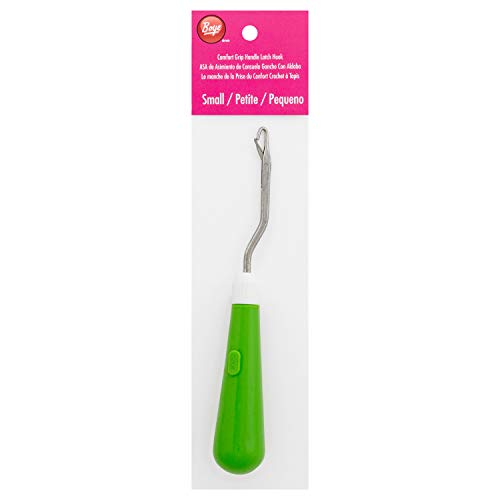

The Clover latch hook is widely considered the gold standard for a reason. Its smooth, polished finish allows the metal to glide through canvas or knitted fabric without catching on delicate yarn plies.
Consistency is the hallmark of this tool. Whether you are working with a coarse wool rug yarn or a slippery acrylic, the hinge mechanism on the Clover hook snaps shut with satisfying precision every single time.
If you spend hours on large-scale projects, this tool offers the best balance of weight and tactile feedback. It feels substantial in the hand without being cumbersome, making it my go-to recommendation for makers who want one reliable tool for a variety of tasks.
Boye Ergonomic Latch Hook: Best Comfort Grip

If you suffer from hand fatigue during long sessions, the Boye Ergonomic Latch Hook is a game-changer. The thick, rubberized handle encourages a relaxed grip, which is essential when you are working on high-tension projects.
Many beginners make the mistake of white-knuckling their tools, which leads to cramping. This ergonomic design naturally forces your hand into a more neutral position, allowing you to work longer without the dreaded "knitter’s cramp."
While the grip is fantastic, keep in mind that the handle is bulkier than traditional metal shafts. If you prefer to store your tools in a compact pouch or a slim notions case, you will need to account for the extra space this tool requires.
Susan Bates Wood Handle Tool: Best for Control

The Susan Bates Wood Handle tool offers a classic, weighted feel that many experienced crafters prefer. The wooden handle provides a warm, natural friction that feels secure even if your hands get a bit sweaty during an intense project.
Because the handle is shaped to fit the palm, it provides superior leverage when pulling thick yarns through tight spaces. I find this especially helpful when working with non-superwash wools that have a bit of "grab," as the extra control helps you guide the yarn through the loop without splitting the fiber.
The aesthetic appeal of the wood is a nice bonus, but the real value is the stability. If you find that lightweight plastic tools feel flimsy or difficult to track, the weight of this tool will help you maintain a steady rhythm.
Darice Bent Latch Hook: Best for Tight Spaces

Sometimes, the angle of your approach is everything. The Darice Bent Latch Hook features a slight curve in the shaft that allows you to reach into tight corners or dense stitch patterns without distorting your work.
This tool is particularly useful when you are performing "surgery" on a complex piece of stranded colorwork. The bent neck allows you to maneuver the hook under a specific strand without accidentally snagging the neighboring stitches.
Be aware that the bent design requires a slightly different muscle memory than a straight hook. Once you master the angle, however, you will find it indispensable for finishing edges or working on intricate, sculptural pieces.
Lacis Professional Latch Hook: Best Durability

The Lacis Professional Latch Hook is built for the maker who demands industrial-grade reliability. The metal is hardened and resistant to bending, which is a common failure point in cheaper, mass-produced hooks.
In my experience, the hinge on this tool is exceptionally tight and well-aligned. It doesn’t develop that annoying "wobble" that causes the latch to hang open, which is critical when you are working with fine-gauge yarns that can easily slip out of a loose hook.
This is an investment piece for your craft kit. It might cost a bit more upfront, but it will likely be the last latch hook you ever need to purchase.
KnitIQ Latch Hook Tool: Best for Thick Yarns

The KnitIQ Latch Hook is designed with a larger hook head and a more generous throat, making it ideal for bulky or super-bulky weight yarns. When you are working with roving-style yarns that are prone to pilling, this tool’s smooth finish prevents friction damage.
Using a tool that is too small for your yarn can lead to fraying and breakage. The KnitIQ hook respects the loft of your fiber, ensuring that the yarn remains plump and undamaged as you pull it through your base material.
If you are a fan of chunky wall hangings or heavy-duty rugs, this tool provides the clearance you need. It makes the process of securing thick loops feel effortless rather than a struggle against the yarn’s own volume.
How to Choose the Right Latch Hook for Your Craft
Selecting the right tool starts with understanding the relationship between your hook size and your yarn weight. A hook that is too large will stretch your base fabric, while one that is too small will cause the yarn to snag and fray.
Consider the following factors before making your choice:
- Yarn Weight: Match the hook throat to the WPI (wraps per inch) of your yarn.
- Base Material: Stiff rug canvas requires a sturdy, non-flexing shaft.
- Project Frequency: If you knit or latch hook daily, prioritize ergonomic handles to prevent repetitive strain injuries.
Ultimately, your choice should be dictated by the "hand" of your project. If you are working with delicate fibers, prioritize a polished, snag-free hook; if you are working with rugged, heavy-duty materials, prioritize structural strength.
Ergonomic Handles vs. Traditional Metal Shafts
The debate between ergonomic handles and traditional metal shafts often comes down to your personal anatomy. Ergonomic handles are designed to fill the palm, reducing the amount of force your fingers need to exert to maintain a grip.
Traditional metal shafts, conversely, offer a slim profile that allows for precise, fingertip control. If you are doing delicate, minute adjustments to a stitch, the lack of a bulky handle can actually be an advantage.
Try holding a few different styles before committing to a full set. If you notice your hands feeling stiff after ten minutes of work, it is a clear signal that you should transition to an ergonomic design.
Essential Tips for Securing Loops Effectively
Securing a loop is all about the "pull-through." Always ensure that your latch is fully open before you begin to grab the yarn, and keep your hand relaxed to ensure the loop doesn’t twist as you pull it through the base.
When working with slippery synthetic yarns, use a slightly slower, more deliberate motion. These fibers have less natural "memory" than wool and can easily slip out of the hook if you move too quickly.
Finally, check your tension regularly. If you find your loops are inconsistent in height, take a moment to reset your posture and ensure you are pulling each loop with the same amount of force.
Maintaining Your Latch Hook for Longevity
Even the best tools need a little care to perform their best. After each project, wipe your hook down with a soft, lint-free cloth to remove any dust or fiber residue that may have accumulated in the hinge.
If you notice the hinge starting to stick, a tiny drop of sewing machine oil can work wonders. Apply it sparingly to the pivot point, work it back and forth, and then wipe away any excess to prevent it from staining your yarn.
Store your hooks in a dedicated case rather than tossing them into a general notions bin. Protecting the tip and the hinge from being bent or crushed is the simplest way to ensure your tool lasts for decades.
Finding the right latch hook is a personal journey that evolves as your projects become more ambitious. Whether you prioritize the comfort of an ergonomic grip or the precision of a professional-grade steel tool, the best choice is the one that feels like an extension of your own hand. Take the time to test these options, listen to what your hands are telling you, and enjoy the process of creating. Happy crafting, and may your loops always be secure.