7 Best Scissors For Clean Fiber Cutting For Crafters
Achieve flawless results with our top 7 fiber scissors. Discover the best tools for clean, precise cuts that elevate every crafting project effortlessly.
A clean, precise cut is the difference between a professional-looking finish and a fraying, messy disaster on your favorite project. Whether you are snipping a tail on a delicate lace shawl or trimming a mohair halo, your choice of scissors dictates the integrity of the fiber. Over my two decades in the craft, I have learned that the right tool doesn’t just cut—it glides. Here are the top choices to ensure every snip is as sharp as your stitches.
Gingher 4-Inch Featherweight Embroidery Scissors


These scissors are a staple in many sewing kits for a reason: they are incredibly lightweight and offer a surprisingly smooth action. If you are working on fine-gauge knitting where every stitch counts, the slim profile allows you to get right up against the fabric without snagging neighboring loops.
The blades are ground to a very fine point, making them perfect for snipping tight yarn tails in stranded colorwork. However, because they are so delicate, they are not meant for heavy-duty tasks like cutting through thick wool roving or multiple plies of bulky yarn.
Keep these for your delicate finishing work and store them in their sheath to protect the tips. If you try to cut anything thicker than a standard worsted weight yarn, you risk misaligning the blades and losing that precision edge.
LDH Scissors Midnight Edition Thread Snips
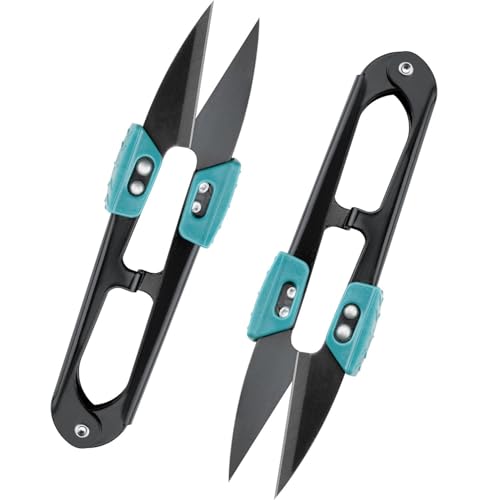
The LDH Midnight Edition snips are a favorite for those who value ergonomics during long finishing sessions. The matte black finish isn’t just for aesthetics; it provides a non-slip grip that is incredibly helpful when your hands are tired after a long day of knitting.
These snips are designed for constant, repetitive use, which makes them ideal for weaving in ends across a large blanket or sweater. The spring-action mechanism reduces hand strain, which is a major benefit if you suffer from occasional wrist fatigue.
Because they are essentially a "grab-and-snip" tool, they don’t offer the same level of granular control as a long-bladed scissor. Use these when speed and comfort are your top priorities, but reach for a pointed scissor when you need to navigate tight spaces.
Kai 4-Inch Precision Serrated Blade Scissors

Serrated blades are a game-changer when you are working with slippery fibers like silk, bamboo, or superwash wool. The micro-serrations grip the yarn, preventing it from sliding away from the blade as you attempt to cut.
If you have ever tried to trim a slippery nylon-blend sock yarn only to have it "run" or fray, you know how frustrating that can be. These scissors eliminate that sliding motion entirely, ensuring a clean, blunt cut every time.
Be aware that these are specialized tools; the serrations can sometimes catch on very fuzzy fibers like mohair or angora. They are best kept for your smooth, high-twist yarns where precision and grip are paramount.
Famore 4-Inch Curved Micro-Tip Craft Scissors

The curved design of these scissors is brilliant for "in-the-round" projects, especially when you need to trim yarn tails close to the fabric without nicking the knitted stitches. The curve mimics the contour of your project, acting as a safety barrier.
I often recommend these to knitters who are nervous about trimming ends on intricate lace projects. The micro-tip allows you to isolate a single strand of yarn, while the curve keeps the sharp points safely angled away from your work.
Avoid using these for flat, straight-line cutting, as the curve can actually make the cut look uneven. Use them specifically for those "danger zones" where you need to get close to the fabric surface.
Merchant & Mills Traditional Tailor Scissors
There is something undeniably satisfying about the weight and balance of traditional steel scissors. These are not your everyday snips; they are heirloom-quality tools that feel solid and reliable in the hand.
Because they are made from high-carbon steel, they hold an edge significantly longer than cheaper alternatives. If you are a prolific knitter who finishes dozens of projects a year, the longevity of these blades makes them a sound investment.
The tradeoff is weight; they are heavier than modern synthetic options and can feel cumbersome for quick, small snips. Treat these with care, keep them away from moisture to prevent rust, and they will likely last you a lifetime.
Westcott Titanium Bonded Sewing Scissors
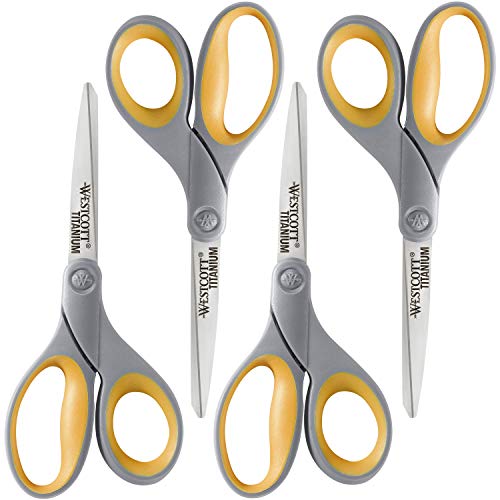
If you are looking for a workhorse that can handle everything from cotton to heavy wool, these are a reliable choice. The titanium bonding makes the blades three times harder than stainless steel, meaning they resist dulling even with regular use.
These are excellent for the "all-purpose" crafter who might be cutting paper patterns, cardboard, and yarn in the same sitting. While I generally advise against using the same scissors for paper and yarn, these are durable enough to handle the abuse better than most.
Don’t expect the surgical precision of a specialized embroidery scissor, but do expect a tool that won’t let you down. They are the perfect "utility" pair to keep on your coffee table for general crafting needs.
Fiskars 5-Inch Micro-Tip Easy Action Snips

Fiskars has mastered the spring-action design, and these snips are the gold standard for accessibility. The "Easy Action" feature means the scissors pop open automatically, which is a lifesaver for knitters with arthritis or limited grip strength.
The micro-tip is sharp enough for detailed work, while the slightly longer blade gives you a bit more reach than standard embroidery snips. They are a wonderful bridge between a specialized tool and a general-purpose scissor.
These are made from high-quality stainless steel and are very easy to maintain. If you want one reliable pair of scissors that handles almost any knitting task with minimal physical effort, this is the one to pick.
Essential Features for Quality Fiber Scissors
When shopping for scissors, look for blade alignment and point sharpness above all else. A quality pair should cut all the way to the very tip without folding or bending the yarn.
- Material: High-carbon steel holds a sharper edge but requires more care. Stainless steel is more resistant to rust but may dull faster.
- Ergonomics: Consider how the handles fit your fingers; a comfortable grip prevents hand fatigue during long finishing sessions.
- Blade Style: Serrated blades are best for slippery fibers, while smooth, curved blades are best for precision work near the fabric.
Avoid the temptation to buy "cute" scissors that prioritize design over function. A pair of scissors that doesn’t cut cleanly will fray your yarn, leading to weaker knots and a less professional look.
Proper Maintenance to Keep Blades Sharp
The number one rule of fiber scissors is simple: never cut anything other than fiber. Cutting paper, wire, or tape will destroy the temper of the steel and dull your blades almost instantly.
If your blades feel sticky or start to pull the yarn, wipe them down with a soft, dry cloth to remove any lint or fiber residue. Occasionally, a tiny drop of sewing machine oil at the pivot point can keep the action smooth and effortless.
If your scissors do become dull, don’t try to sharpen them yourself unless you are experienced with whetstones. Take them to a professional knife sharpener who can restore the factory edge without damaging the blade geometry.
How to Safely Store Your Crafting Scissors
Storing your scissors properly is just as important as the quality of the tool itself. Always use a sheath or a dedicated scissor block to protect the tips from damage.
If you carry your projects in a knitting bag, keep your scissors in a small, hard-sided case. This prevents the blades from being bent or dulled by your needles, stitch markers, or other heavy notions floating in the bottom of the bag.
Finally, keep your scissors in a consistent spot in your workspace. Not only does this keep them safe from accidental drops, but it also ensures you aren’t frantically searching for them when you reach that final end on a long-awaited sweater.
Investing in a high-quality pair of scissors is an act of respect toward your own hard work. By choosing the right tool for your specific project and maintaining it with care, you ensure that every project ends with a clean, professional finish. Remember, the best scissors are the ones that feel like an extension of your own hands. Happy knitting, and may your ends always be perfectly trimmed.