
6 Best Wax Blocks For Smooth Yarn Feeding
Discover the top 6 wax blocks for smooth yarn feeding. Learn how these essential tools reduce friction and improve tension for a seamless knitting experience.
Nothing ruins the rhythm of a complex cable project faster than yarn that drags against your needles or splits mid-stitch. Experienced knitters know that the secret to consistent, professional-looking fabric often lies in the subtle art of yarn lubrication. By reducing friction, you can maintain a steady tension that keeps your gauge even from the first cast-on to the final bind-off. These six tools are the industry favorites for ensuring your yarn glides effortlessly through your fingers and over your needles.
Dritz Beeswax: The Gold Standard for Fiber Smoothness
Dritz Beeswax is a staple in almost every sewing and knitting kit for a reason. It provides a consistent, thin layer of natural wax that tames even the most stubborn, high-twist wool yarns.
When you are working with sticky, rustic wools that have a tendency to grab onto your bamboo needles, this block offers the perfect amount of slip. It doesn’t leave a heavy residue, which is crucial if you plan on blocking your finished garment later.


The bottom line is that this is a reliable, no-nonsense tool. It’s perfect for the knitter who wants a classic, predictable performance without any bells or whistles.
Clover Beeswax Holder: Best for Precision Application

The Clover Beeswax Holder is designed for the knitter who values cleanliness and control. It features a plastic casing that keeps the wax block contained, preventing it from picking up lint or debris from your knitting bag.
This design is particularly helpful when you are working on colorwork projects where you don’t want to get wax on every single strand of yarn. By holding the casing, you can apply a tiny amount of wax exactly where you need it—usually just the first few inches of the working yarn.
While it costs a bit more than a naked block of wax, the convenience of the holder is worth it for many. It keeps your workspace tidy and your hands clean, allowing you to focus entirely on your stitch pattern.
Bohin Beeswax: Ideal for Preventing Yarn Snagging
Bohin’s offering is known for its high purity and smooth texture. If you find your yarn catching on the join of your circular needles or snagging on wooden needle tips, this wax provides a remarkably slick finish.
I often recommend this for knitters working with mohair or delicate lace-weight fibers. These fibers have a tendency to "grab" onto themselves, and a light pass through this wax can make the difference between a smooth flow and a frustrating tangle.
It is slightly softer than some other brands, which means it transfers to the yarn very easily. Be careful not to over-apply; a little goes a long way, and you don’t want to leave your yarn feeling waxy to the touch.
Thread Heaven Wax: Best for Synthetic Yarn Blends

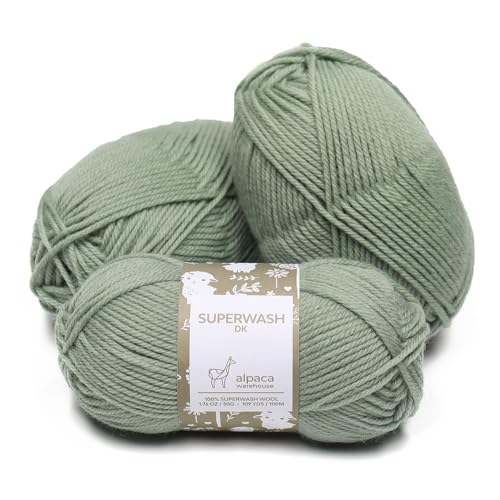
Thread Heaven is technically marketed for sewing thread, but it is a secret weapon for knitters working with synthetic blends or highly processed superwash wools. These fibers can sometimes feel "squeaky" or overly grippy against metal needles.
Unlike traditional beeswax, this is a synthetic conditioner that doesn’t melt or leave a heavy, tacky residue. It is excellent for acrylics or nylon-blend sock yarns that have a tendency to create static electricity during the winter months.
If you find that your yarn is "chirping" against your needles, this is the product to reach for. It creates a smooth, frictionless surface that allows for faster knitting speeds without the risk of fiber buildup.
Sewline Glue Pen: A Modern Alternative to Wax Blocks
The Sewline Glue Pen is a departure from traditional wax, but it serves a similar purpose for knitters who need to stabilize a yarn end or temporarily hold a project in place. While not a lubricant in the traditional sense, it is a fantastic tool for managing yarn tails during complex colorwork.
If you are intimidated by the idea of waxing your yarn, this is a much cleaner, more modern approach. It’s perfect for pinning down the starting tail of a project so it doesn’t get in your way as you work your first row.
Just remember that this is a temporary adhesive, not a lubricant. It won’t help with needle drag, but it is a must-have for knitters who struggle with unruly yarn ends or finishing techniques.
Taylor Seville Wax: Best for Heavy-Duty Knitting

Taylor Seville Wax is designed for the knitter who works with heavy-gauge, coarse wools or thick, textured yarns. If you are knitting a chunky-weight sweater on large needles, you know how much physical effort it can take to move the yarn.
This wax is denser and more robust than standard beeswax, making it ideal for heavy-duty projects. It provides a more substantial coating that stands up to the friction of larger, thicker fibers moving across your needles.
For those working on large-scale projects, this wax will last significantly longer than smaller blocks. It is a workhorse tool that is built to handle the demands of heavy, repetitive knitting sessions.
Why Yarn Gliding Matters for Tension Consistency
Tension is the holy grail of knitting, and friction is its greatest enemy. When your yarn drags against your needles or your fingers, you naturally grip the yarn tighter, leading to uneven stitches.
By using a wax block to smooth the yarn, you reduce the physical resistance of the fiber. This allows the yarn to travel through your hands and over your needles at a consistent speed, which is the key to achieving a uniform gauge across your entire project.
If you find that your purl rows are looser than your knit rows, or that your tension changes as you get tired, a bit of wax can help bridge that gap. It creates a more fluid experience that allows your muscle memory to take over.
How to Properly Apply Wax to Your Knitting Yarn
The most common mistake knitters make is over-applying the wax. You only need a very light, almost invisible layer to see the benefits of smoother feeding.
- Take your working yarn and hold the wax block firmly in your other hand.
- Gently draw the yarn across the surface of the wax.
- Use your fingers to lightly rub the wax into the fibers.
- Run the yarn through your fingers once more to ensure the wax is evenly distributed.
If you can see white flakes of wax on your yarn, you have used too much. Simply pull the yarn through a clean piece of fabric or a paper towel to remove the excess before you continue knitting.
Common Mistakes When Using Wax on Natural Fibers
While wax is a great tool, it should be used with caution on certain natural fibers. On high-end luxury fibers like silk or cashmere, wax can sometimes alter the hand or "drape" of the finished fabric.
Avoid waxing your yarn if you are working on a project that requires a very specific, delicate finish. If you must use wax, always test it on a swatch first to ensure it doesn’t leave a permanent residue or change the color of the yarn.
Also, be aware that wax can attract dust and lint over time. If you are working on a long-term project, keep your knitting covered when you aren’t working on it to prevent your waxed yarn from becoming a magnet for debris.
Frequently Asked Questions About Yarn Waxing Tools
Will wax ruin my needles? No, most wax is easily wiped off with a soft cloth. In fact, it often leaves your needles with a nice, polished finish.
Can I wash the wax out? Yes, almost all beeswax-based products will wash out during the normal blocking process. Use a gentle wool wash and lukewarm water to remove any lingering residue.
How often should I reapply? You don’t need to wax every row. Apply it only when you feel the yarn starting to drag or when you move to a new section of the yarn that feels particularly rough.
Does it change the color of the yarn? On most wools, it is completely invisible. However, on very light or white mohair, it can occasionally cause a slight darkening, so always test a small scrap first.
Investing in a simple wax block is one of the most cost-effective ways to improve your knitting experience. By minimizing friction, you gain better control over your tension and significantly reduce hand fatigue during long sessions. Choose the product that best fits your project needs, apply it with a light hand, and enjoy the effortless glide of your yarn. Happy knitting!