6 Best Lightweight Bead Mats For Portability
Discover the top 6 lightweight bead mats perfect for crafting on the go. This guide explores portable, non-slip options to keep your supplies secure anywhere.
Whether you are working with delicate glass seed beads or heavy gemstones, having a reliable surface is as vital as choosing the right needle for your yarn. A good bead mat prevents your materials from rolling away, much like a well-structured project bag keeps your lace weight mohair from tangling. Portability is the key to maintaining your creative momentum, whether you’re beading at a workshop or during a long train ride. This guide explores the best lightweight surfaces to keep your projects organized and secure wherever you go.
The BeadSmith Non-Slip Foam Bead Mat: Best Overall


This mat is the industry standard for a reason, acting much like a trusty set of bamboo needles that hold onto slippery silk yarn with ease. The foam surface provides just enough friction to catch beads without being so sticky that they become difficult to pick up.
It is lightweight enough to roll up and tuck into a notions pouch alongside your stitch markers and tapestry needles. Because it is neutral in color, it offers excellent contrast for most bead colors, preventing eye strain during long sessions.
If you are prone to dropping beads while working on intricate patterns, this mat’s texture is your best insurance policy. It effectively mimics the grip of a wooden needle, ensuring your components stay exactly where you place them.
Darice Beading Design Board: Best for Organization
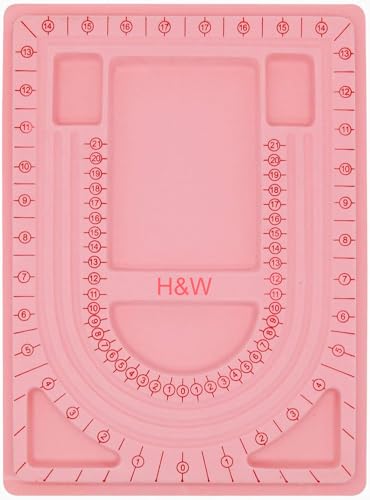
If you have ever laid out a complex colorwork chart for a sweater, you know the value of seeing your materials organized before you start. This board features dedicated channels that allow you to plan your bead sequence before stringing, much like arranging your yarn bobbins for a stranded colorwork project.
The flocked surface is incredibly gentle on delicate beads, preventing the scratching that can occur with harder surfaces. It is a bit larger than a standard mat, but its ability to keep your design fixed in place is unmatched for complex patterns.
This is the perfect choice for those who like to pre-plan their entire project layout. It turns a chaotic pile of beads into a structured, manageable workflow.
Cousin DIY Felt Beading Mat: Best Budget Pick

Sometimes the simplest tool is the most effective, much like using a basic metal cable needle instead of an expensive, ornate one. Felt provides a soft, forgiving surface that keeps beads from bouncing away if you happen to nudge your table.
While it lacks the specialized channels of a design board, its portability is unmatched; you can fold it, stuff it in a bag, and it will emerge ready for use. It is an ideal "grab and go" option for quick repairs or traveling light.
The trade-off is that it can attract dust and lint over time, similar to how high-fiber-content yarns can pill. Keep a lint roller nearby to ensure your surface remains clean and functional.
Beadalon Tacky Bead Mat: Best for Tiny Components

When working with micro-beads or tiny spacers—the equivalent of working with lace-weight thread—you need a surface that offers superior grip. This mat is designed to be slightly "tacky," holding onto small items that would otherwise roll off a standard foam mat.
The tackiness is a double-edged sword, however; it can also trap small bits of dust. Think of it like using a sticky base coat for a manicure; it serves a specific, high-performance purpose but requires more frequent cleaning.
If you are working with components that are prone to "pinging" across the room, this is your best defense. It keeps everything locked in place, even if your workspace is slightly uneven.
Vintaj Artisan Metal Bead Mat: Best for Heavy Work

If you work with heavy metal components or gemstones, a soft foam mat might feel too squishy, much like trying to knit a heavy wool rug on flimsy plastic needles. This metal-friendly mat provides a firm, durable surface that can withstand the weight of heavier materials.
It is designed to be sturdy, yet it remains thin enough to pack into a project bag without adding significant bulk. It won’t dent or deform under the pressure of heavy beads, providing a consistent surface for your work.
This is a specialized choice for the jewelry maker who treats their materials like heavy-duty hardware. It offers the stability required for more aggressive assembly techniques.
Sizzix Magnetic Beading Mat: Best for Portability

Magnets are a game-changer for anyone who has lost a needle or a tiny bead in the carpet. This mat uses magnetic properties to keep your metal components anchored, which is incredibly helpful for those who often bead in transit.
The portability factor here is excellent, as the magnetic base is usually slim and lightweight. It functions much like a magnetic pattern holder for knitters, keeping your essential pieces exactly where you need them.
Be aware that this only works with metal beads or findings. If you are working primarily with glass or plastic, the magnetic feature will not provide the grip you need.
Factors to Consider When Choosing a Portable Mat
When selecting your surface, consider the weight and material of the beads you use most often. A heavy gemstone project requires a firm, stable surface, whereas seed beads need a soft, textured mat to prevent rolling.
Think about your environment as well; if you knit in a car or on a plane, you need a mat that is compact and perhaps slightly tacky. If you have a dedicated studio space, you might prefer a larger, more organized design board.
Finally, consider the contrast. Just as dark yarn is hard to see on a black chair, dark beads are difficult to see on a black mat; choose a color that makes your materials pop.
Essential Features for On-the-Go Beading Projects
The best portable mat should be lightweight and flexible enough to fit into your existing project bag. Look for mats that can be rolled or folded without losing their shape or developing permanent creases.
Durability is also key; you want a surface that won’t fray or shed fibers into your beads. A mat that is easy to wipe down or shake off is essential for maintaining a clean workspace while traveling.
Lastly, consider the size. It should be large enough to hold your current project components without feeling cramped, but small enough to fit on a coffee shop table or a train tray.
How to Maintain and Clean Your Beading Surface
Keeping your bead mat clean is as important as blocking your finished knits to ensure a professional look. Most foam and felt mats can be gently cleaned with a damp cloth to remove dust and debris.
For tackier mats, a quick dab with a piece of masking tape can remove lint and restore the grip. Avoid using harsh chemicals or abrasive cleaners, which can degrade the surface texture over time.
Always let your mat air dry completely before storing it, especially if you roll it up. Storing a damp mat can lead to mold or unpleasant odors, ruining your materials.
Troubleshooting Common Beading Mat Issues and Tips
If your beads are still rolling, you might be using a mat that is too smooth for the specific shape of your beads. Try placing a piece of thin, textured fabric over your mat to increase friction.
If your mat is losing its grip, it is likely coated in dust or skin oils. A gentle wash with mild dish soap and water will often restore the surface to its original performance.
If you find yourself constantly losing beads, consider using a tray with raised edges in addition to your mat. This "belt and suspenders" approach ensures that even if a bead rolls off the mat, it stays within the confines of your workspace.
Choosing the right bead mat is about balancing the specific needs of your project with the practical realities of your workspace. Whether you opt for the versatility of the BeadSmith foam or the specialized grip of the Tacky mat, the goal is to create a secure environment for your creativity. Just as a good set of needles makes your knitting flow, the right mat will make your beading process smooth and stress-free. Happy crafting, and may your beads always stay exactly where you place them.