6 Best Spinning Oils For Wheel Maintenance To Try
Keep your spinning wheel running smoothly with our guide to the 6 best oils. Learn how to choose the right lubricant for optimal performance and longevity.
A spinning wheel is a mechanical marvel, much like the intricate lace shawl you’ve spent months perfecting, requiring consistent care to maintain its rhythm. When your wheel starts to squeak or the treadle feels sluggish, it’s not just a nuisance; it’s a sign that your fiber preparation and drafting will soon suffer. Choosing the right lubricant is the difference between a meditative spinning session and a frustrating afternoon of fighting your equipment. Here are the top oils to keep your wheel turning as smoothly as a well-plied lace-weight yarn.
Ashford Spinning Wheel Oil: Best Overall Choice


If you own an Ashford wheel, this is the gold standard for a reason. It is a light, refined mineral oil designed specifically for the wooden bearings and metal fittings found on their classic models.
Because it is formulated by the manufacturer, you don’t have to worry about chemical reactions with the wood finishes or plastic components. It strikes a perfect balance between viscosity and longevity, meaning you won’t have to oil your wheel every single time you sit down to spin.
The bottom line is that this is a "set it and forget it" solution for most hobbyists. It’s reliable, affordable, and won’t gum up your flyer bearings, ensuring your consistent twist per inch (TPI) remains stable throughout your project.
Kromski Spinning Wheel Oil: Best for Durability
Kromski wheels are known for their beautiful wood craftsmanship and robust construction, and their proprietary oil matches that build quality. This lubricant is slightly heavier, designed to cling to the moving parts of a wheel that sees heavy, daily use.
If you are a production spinner who spends hours at the wheel creating bulkier yarns or spinning high-twist singles, this oil is your best friend. It resists thinning out, even when the friction of constant treadling generates heat in the flyer assembly.
While it’s excellent for durability, be careful not to over-apply. A little goes a long way, and using too much can attract dust and fiber bits into the bearings, which is the last thing you want when working with clean, high-end wool.
Schacht Spindle Company Oil: Best for Precision

Schacht wheels are precision instruments, and their oil is engineered to match those tight tolerances. It is incredibly thin and clear, allowing it to penetrate deep into the small, intricate gaps of a flyer assembly or a drive wheel bearing.
This oil is ideal for spinners who struggle with a "sticky" flyer or a wheel that feels like it’s dragging during delicate spinning. Because it is so refined, it provides a very slick surface without leaving a heavy, oily residue that could stain your fiber.
If you are working with white or light-colored luxury fibers like silk or angora, this is the safest choice. It won’t transfer dark, messy lubricants to your precious fiber, keeping your yarn pristine from start to finish.
Majacraft Spinning Wheel Oil: Best for Friction
Majacraft wheels often incorporate unique materials and high-speed assemblies that require a specific type of lubrication. Their oil is specifically designed to reduce the high-frequency friction that can occur in these specialized systems.
This oil excels at keeping the flyer shaft spinning freely, which is critical when you are trying to maintain a consistent tension on your bobbin. If you find your yarn is snapping because the flyer isn’t keeping up with your drafting, a drop of this oil can often solve the problem instantly.
It’s a high-performance lubricant that feels more "industrial" in its efficacy. For those who push their wheels to the limit with complex plying setups or high-speed bobbins, it provides the necessary protection against wear and tear.
SpinOlution Maintenance Oil: Best for Quiet Use
SpinOlution wheels are famous for their quiet, smooth operation, and their maintenance oil is formulated to keep them that way. If you spin while watching movies or listening to podcasts, you know how annoying a rhythmic squeak can be; this oil eliminates that noise almost immediately.
The formulation is designed to be very "quiet" in a mechanical sense, softening the vibration between the drive band and the flyer. It dampens the small, sharp sounds of metal-on-metal or wood-on-wood contact that can develop over time.
It is also very clean-burning and doesn’t yellow or harden over time. This makes it an excellent choice for wheels that might sit idle for a few weeks between projects, as it won’t turn into a sticky sludge while you’re away.
Singer All-Purpose Machine Oil: Best Budget Pick
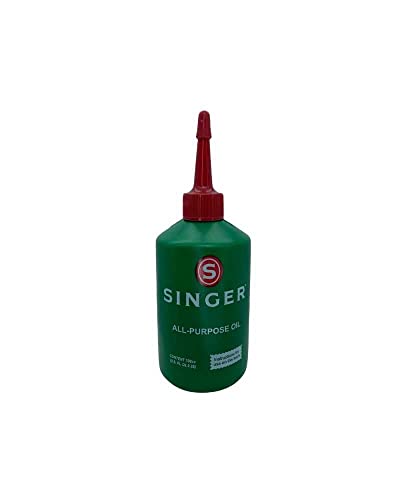
If you can’t find a brand-specific oil, Singer All-Purpose Machine Oil is a reliable, widely available alternative. It is a light, non-detergent mineral oil that has been a staple in sewing rooms for decades.
It works perfectly fine for most wooden spinning wheels, but you must be careful to avoid oils that contain detergents or cleaning agents. Those additives can strip the finish off your wheel or react poorly with the natural fibers you are spinning.
While it lacks the specialized additives of high-end spinning oils, it gets the job done at a fraction of the cost. If you are a beginner on a tight budget, this is a perfectly acceptable way to keep your wheel maintained without breaking the bank.
Why Regular Oiling Keeps Your Wheel Running Smooth
A spinning wheel is a machine with many moving parts, all working in harmony to transform raw fiber into yarn. Without oil, friction creates heat, and heat wears down the wood, metal, or plastic components prematurely.
Regular maintenance ensures that your flyer rotates at a constant speed, which is essential for maintaining your desired twist. If your wheel is "fighting" you, you will naturally tense up your shoulders and hands, leading to fatigue and uneven spinning.
Think of oiling as part of your spinning ritual, just like checking your WPI (wraps per inch) or inspecting your fiber for vegetable matter. A well-oiled wheel is a quiet, responsive partner that allows you to focus entirely on your craft.
Understanding Viscosity in Spinning Wheel Lubricants

Viscosity refers to how "thick" or "runny" an oil is. In the world of spinning wheels, you generally want a low-viscosity oil that can flow easily into small bearings and tight spaces.
- Thin oils: Best for high-speed, precision bearings where you need instant lubrication.
- Thick oils: Better for older wheels or parts with more "play" that need a thicker barrier to stop metal-on-metal contact.
If you choose an oil that is too thick, it can actually act like a glue, attracting dust and creating a gummy mess that slows your wheel down. Always start with a thinner oil; you can always add more, but cleaning out a gunked-up bearing is a project you want to avoid.
How to Properly Apply Oil to Your Spinning Wheel
Less is almost always more when it comes to oiling a wheel. You don’t need to soak the parts; you only need a thin, consistent film to provide the necessary lubrication.
- Identify the friction points: usually the flyer bearings, the flyer shaft, and the treadle hinges.
- Apply one tiny drop—literally the size of a pinhead—to each spot.
- Spin the wheel or treadle slowly to work the oil into the mechanism.
- Wipe away any excess oil with a clean, lint-free cloth to prevent it from staining your yarn.

If you find yourself oiling your wheel every single day, you are likely using too much. A properly oiled wheel should stay smooth and quiet for several sessions of spinning.
Essential Safety Tips for Spinning Wheel Maintenance
Always ensure your wheel is turned off or disconnected from any power source if you are using an electric spinner before applying oil. Keep a dedicated cloth for oiling that is kept separate from your fiber storage to avoid accidental contamination.
Be mindful of the wood finish on your wheel, as some harsh chemicals can damage delicate waxes or oils used by the manufacturer. If you are unsure, test a tiny, hidden spot on the underside of the wheel first to ensure the oil doesn’t discolor the wood.
Finally, never use household cooking oils or petroleum jelly on your spinning wheel. These can go rancid or harden over time, permanently damaging your wheel’s bearings and attracting unwanted pests to your fiber stash.
Maintaining your spinning wheel shouldn’t be a chore, but rather a way to honor the tool that brings your creative visions to life. By selecting a high-quality lubricant and applying it with care, you ensure that every yard of yarn you spin is consistent, smooth, and enjoyable to create. Remember that your wheel is an investment, and a little bit of preventative maintenance today will save you hours of frustration tomorrow. Happy spinning, and may your bobbins always be full and your tension perfectly balanced.