7 Best Blocking Pins For Scarf Edges Knitters Love
Achieve professional results with our guide to the 7 best blocking pins for knit scarves. Learn which essential tools ensure crisp, perfect edges every time.
Blocking is the final, transformative step that turns a puckered, uneven piece of knitting into a professional-looking garment. When it comes to scarves, the edges are the most visible part of your work, making the choice of blocking pins critical for a crisp finish. Using the right pins ensures your tension remains consistent while the fibers relax into their permanent shape. This guide explores the best tools to help you achieve that elusive, store-bought edge.
Knitter’s Pride Knit Blockers: Best Overall Pick


These are not your traditional pins; they are wide, comb-like plastic blocks with multiple stainless steel prongs. By anchoring several inches of fabric at once, they drastically reduce the time spent pinning down a long scarf.
The primary advantage is the consistent spacing they provide along a straight edge. Because they are rigid, they prevent the "scalloping" effect that can occur when you place individual pins too far apart.
If you are blocking a large, stockinette-heavy scarf, these are a game-changer for maintaining a perfectly straight line. Just be aware that their size can make them difficult to use for tight curves or intricate point-to-point lace shapes.
Clover T-Pins: Best Budget Blocking Choice

Clover T-Pins are the industry standard for a reason: they are reliable, affordable, and widely available. The T-bar head makes them incredibly easy to push into blocking mats and, more importantly, easy to remove without snagging your yarn.
These pins are a staple in every knitter’s notions bag because they offer a secure hold without a high price tag. For a beginner just starting their first scarf, a simple box of these is all you truly need.
One minor drawback is that their nickel-plated finish can eventually wear down if used frequently on damp wool. For the price, however, they are an essential utility tool that performs consistently across most fiber types.
Cocoknits Stainless Steel Pins: Best for Lace
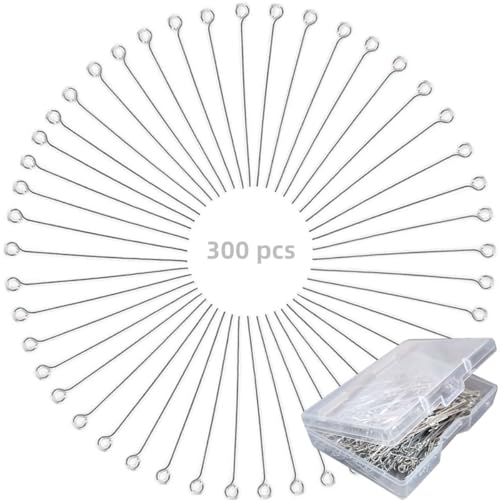
When you are working with fine lace, you need a pin that won’t leave a rust mark or distort delicate yarn. Cocoknits pins are made from high-quality stainless steel, ensuring they remain smooth and corrosion-free even after years of use.
These pins are slightly thinner than standard T-pins, which is vital when threading them through the small picots of a lace scarf. They glide through the fiber without splitting the plies, which is a common frustration with cheaper, thicker pins.
Because they are so fine, they are best suited for lighter weights of yarn like fingering or lace weight. If you are blocking a bulky alpaca scarf, you might find them a bit too flexible to hold the weight of the fabric.
Boye Rust-Resistant T-Pins: Best for Durability
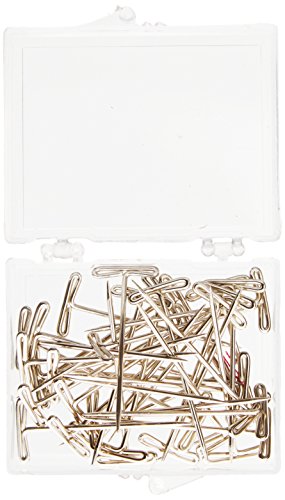
If you live in a humid climate or frequently block natural fibers that require heavy soaking, rust is your enemy. Boye’s rust-resistant T-pins are engineered to withstand prolonged exposure to moisture, keeping your precious hand-knits safe from permanent staining.
The construction is robust, meaning these pins won’t bend easily when you are pinning down heavier wools or cables. Durability is the main selling point here; you won’t find yourself throwing these away after a few uses.
While they are slightly thicker than specialized lace pins, they are excellent for everyday scarves. They offer a firm, reliable grip that keeps your edges locked in place while the fabric dries completely.
Ashford Wool Blocking Pins: Best for Thick Yarn

Ashford pins are designed with the heavy-duty knitter in mind, specifically for those working with thick, rustic wools or chunky-weight scarves. They are noticeably sturdier and longer than your average sewing pin, providing the leverage needed to secure heavy fabric.
When you are dealing with a dense, heavy scarf, standard thin pins often pop out of the blocking mat due to the weight of the yarn. Ashford pins provide the necessary surface area to keep the fabric taut without the pins shifting or pulling through the mat.
They are an investment piece, but if you enjoy knitting with bulky yarns, they will save you endless frustration. They turn the chore of blocking a heavy, cumbersome scarf into a straightforward, manageable task.
Tulip Fine Point Pins: Best for Delicate Edges

Tulip is a Japanese brand known for its exceptional needle manufacturing, and their blocking pins reflect that same precision. These pins have incredibly sharp, tapered points that penetrate even the most tightly twisted or delicate yarns with ease.
If you are working with luxury fibers like silk or cashmere, you want to minimize the stress placed on the individual stitches. These pins are so sharp that they slip between the fibers rather than forcing them apart, preserving the integrity of your yarn.
They are definitely a premium choice, but for a special project where the edge finish is paramount, they are worth the cost. Use these for your most intricate scarves to ensure the edges remain pristine and undisturbed.
Beadsmith Extra-Long Pins: Best for Long Scarves
Sometimes the standard 1-inch pin just isn’t enough to hold the weight of a long, heavy scarf. Beadsmith’s extra-long pins provide the reach needed to anchor through multiple layers or deep into a thick blocking mat.
These are particularly useful if you are using foam mats that have a bit of "give" to them. The extra length ensures that once the pin is set, it stays set, even if you accidentally bump the table or move the mat.
They are also excellent for blocking scarves with complex, wavy edges that require pinning at multiple points of tension. Their length gives you the stability you need to pull the fabric taut without worrying about the pins buckling or popping out.
Why Blocking Pins Are Essential for Scarf Edges
Blocking is the process of using moisture and heat to set the shape of your stitches. Without pins, your scarf will likely curl at the edges, especially if you have worked it in stockinette stitch.
Pins act as the anchor that holds your fabric in the desired geometry while it dries. By pinning the edges, you force the yarn to "remember" the shape, resulting in a clean, professional edge that won’t roll up when worn.
Furthermore, pins allow you to open up your stitch pattern. Whether it’s a simple lace repeat or a complex cable, blocking pins help reveal the true texture and beauty of your design that remains hidden while the fabric is "tight" off the needles.
Stainless vs Nickel: Which Pin Material Is Best?
The debate between stainless steel and nickel-plated pins usually comes down to one thing: moisture. Stainless steel is inherently resistant to rust, making it the superior choice for long-term use and for projects that require a heavy soak.
Nickel-plated pins are often cheaper and easier to find, but the plating can wear off over time. Once the plating is compromised, the base metal underneath can rust, which poses a serious risk to your light-colored wool or silk projects.
If you are a serious knitter, I always recommend investing in stainless steel. It is a one-time purchase that eliminates the risk of ruining your hard work with a stray rust stain on your final, finished piece.
Expert Tips for Perfect Scarf Edging Results
Always ensure your blocking mats are placed on a flat, stable surface before you begin. Start by pinning the corners of your scarf first, then work your way toward the center to ensure even tension throughout the length of the piece.
Don’t be afraid to use plenty of pins; a "less is more" approach often leads to uneven edges and sagging sections. For a perfectly straight edge, you can even use a long blocking wire threaded through the edge of the scarf, using pins only to hold the wire in place.
Lastly, let your scarf dry completely before removing the pins. If you unpin while the fibers are still damp, the weight of the fabric will cause the edges to lose their shape, undoing all your hard work.
Choosing the right blocking pins is a small detail that yields a massive improvement in the quality of your finished hand-knits. Whether you opt for the versatility of T-pins or the precision of stainless steel lace pins, the right tool will make your edges look intentional and refined. Take your time during the blocking process, treat your fiber with care, and enjoy the transformation of your scarf. Happy knitting!