6 Best Wax Thimbles For Colorwork Tension To Try
Struggling with colorwork tension? Discover the 6 best wax thimbles to keep your yarn strands consistent, smooth, and tangle-free for perfect knitting results.
Mastering stranded colorwork often feels like a battle against your own hands as you struggle to keep two strands of yarn from tangling. Many knitters find that their tension goes haywire when juggling multiple colors, leading to puckered fabric or loose, uneven floats. Using a dedicated yarn guide or wax thimble can transform this frustrating experience into a rhythmic, meditative process. These tools act as a third hand, ensuring your yarn feeds consistently so your stitches remain uniform and your hands stay relaxed.
Clover Yarn Guide Thimble for Colorwork Control
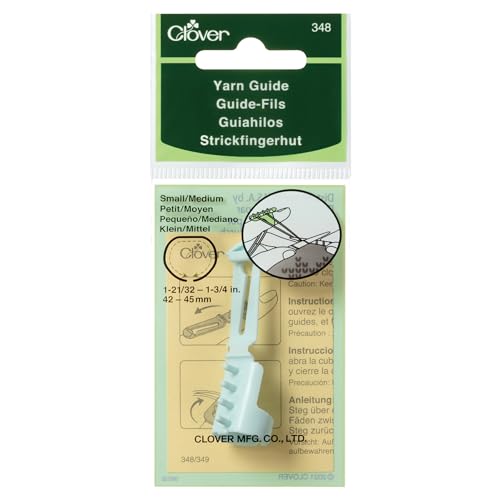

The Clover Yarn Guide is a classic for a reason, offering a simple plastic design that sits comfortably on the index finger. It features two small loops that keep your contrasting colors separated, preventing the dreaded "yarn soup" that happens when you hold both strands in one hand.
If you are just starting your journey into Fair Isle, this tool is an excellent entry point. The plastic construction is lightweight, meaning it won’t weigh down your finger during long knitting sessions on a sweater or blanket.
However, the loops can be a bit tight for thicker, aran-weight yarns. If you are working with a lofty, woolen-spun yarn, you might find that the friction slows down your knitting speed significantly.
Prym Ergonomic Knitting Thimble for Fair Isle

Prym took a different approach by focusing on the ergonomics of the hand, creating a thimble that sits slightly differently on the finger than traditional models. The design is intended to reduce strain, which is a massive benefit if you tend to "death grip" your needles when you get to a complex chart.
This thimble excels when you are working with slippery fibers like silk-blend or superwash wool. Because the guides are shaped to keep the yarn at a specific angle, it helps maintain consistent tension even when the yarn wants to slide off your needles.
The primary trade-off here is the bulk; it takes up more surface area on your finger than a simple wire guide. Some knitters find it feels a bit intrusive if they are used to a very minimalist knitting style.
Cocoknits Metal Knitting Thimble for Tension

Cocoknits has mastered the art of functional, high-quality design, and their metal thimble is no exception. Because it is made of metal, it is incredibly durable and won’t wear down or snap like plastic alternatives might after a few intense projects.
The metal surface provides a consistent glide, which is perfect if you are working with sticky, rustic wools that tend to grab onto everything. It allows the yarn to flow smoothly without creating unnecessary friction that could lead to uneven gauge.

Be aware that this is a rigid tool, so it doesn’t offer the same "give" as a flexible plastic or silicone guide. If you have sensitive fingers, you might want to pair this with a small piece of moleskin or a silicone ring underneath for added comfort.
Tulip Yarn Guide Ring for Two Color Knitting
Tulip is renowned for their precision engineering, and their yarn guide ring feels more like a piece of jewelry than a knitting tool. It is designed to sit securely on your finger, providing a very stable anchor point for your yarn strands.
This is the go-to choice for knitters who prioritize precision and want to ensure their gauge stays perfectly consistent across large colorwork motifs. The smooth edges prevent the yarn from snagging, which is vital when you are working with delicate, single-ply yarns.
Because it is a ring-style guide, it is less adjustable than some of the open-ended plastic versions. Make sure you check the sizing guide carefully, as a ring that is too loose will rotate and frustrate you, while one that is too tight will restrict circulation.
Namaste Yarn Thimble for Smooth Strand Flow

The Namaste thimble is designed with a focus on the tactile experience of knitting. It feels very natural on the finger, mimicking the way a knitter might hold their yarn manually, but with the added benefit of consistent separation.
This tool is particularly helpful if you are a "flicker" who likes to keep the yarn moving constantly. It provides just enough resistance to keep the tension taut without creating the drag that often leads to hand fatigue.
It works best with medium-weight yarns; very thin lace-weight or very bulky yarns may not seat correctly in the guides. If you are a versatile knitter who switches between various yarn weights, you might find this tool becomes a permanent fixture in your notions bag.
Pony Adjustable Knitting Thimble for Tension
The Pony adjustable thimble is the ultimate "one size fits all" solution. Its open design allows you to bend the metal to fit your finger perfectly, making it a great option if you have trouble finding tools that fit your hand shape.
This adjustability is a massive advantage for long-term comfort. You can tighten or loosen the fit depending on whether your hands are prone to swelling after a few hours of knitting.
The trade-off is that the metal can sometimes catch on very delicate, fuzzy yarns like mohair. If you are working with a mohair-silk blend, keep an eye on the wire guides to ensure they aren’t pulling at the fibers as you work.
Why Wax Thimbles Improve Your Colorwork Tension

Colorwork tension is essentially a balancing act between the two strands of yarn. When you hold both strands in your hands, your brain has to constantly adjust the pressure to keep the floats—the yarn carried across the back of the work—from becoming too tight or too loose.
A yarn guide or thimble automates this process by providing a constant, fixed distance between the strands. This allows your hands to focus on the rhythm of the needles rather than the mechanics of yarn management.
By removing the manual effort of separation, you reduce the likelihood of "tension drift," where your gauge changes as you get tired. Consistent tension is the secret to getting that professional, smooth look in your finished colorwork garments.
How to Properly Position Your Yarn Guide Ring
The goal of a yarn guide is to keep the yarn at a consistent height relative to your needle tips. You want the guide to sit on your index finger, just behind the first knuckle, so that the yarn feeds into the needle area at a natural, comfortable angle.
If the guide is too far forward, you will find yourself reaching for the yarn, which leads to shoulder tension. If it is too far back, the yarn will have to travel too far, which can lead to uneven, loose stitches.
Experiment with the rotation of the ring on your finger. Sometimes turning it slightly to the side of your finger, rather than having it sit directly on top, provides a more ergonomic path for the yarn to travel to your needle.
Adjusting Tension for Stranded Knitting Styles
Not all stranded knitting is created equal; the tension you need for a pair of socks will differ from what you need for a heavy winter sweater. When using a thimble, pay attention to the "float length"—the distance the yarn travels behind the work.
If you are knitting a project with long floats, you must ensure the thimble isn’t pulling the yarn so tightly that it puckers the fabric. Conversely, if you are working with short, frequent color changes, the thimble helps keep the yarn from tangling as you switch colors rapidly.
Always swatch with your thimble before starting the main project. If your swatch looks puckered, try a slightly larger needle size or consciously loosen your grip on the yarn as it exits the guide.
Troubleshooting Common Colorwork Tension Issues
The most common issue is the "puckered" look, which happens when your floats are too tight. If you see this, check if your thimble is creating too much drag; try feeding the yarn through only one loop instead of two to see if that releases the tension.
If your floats are too loose, the fabric will look messy and snag easily on buttons or jewelry. In this case, you may need to tighten the tension by looping the yarn around your finger in addition to using the thimble.
Remember that blocking is your best friend in colorwork. Even if your tension feels slightly uneven while knitting, a good wash and a proper block can work wonders to even out the stitches and settle the floats into place.
Finding the right yarn guide is a personal journey that depends as much on your unique knitting style as it does on the tools themselves. Don’t be afraid to try a few different models to see which one feels like a natural extension of your finger. Once you find that perfect match, you will find your colorwork projects becoming faster, more enjoyable, and significantly more professional in appearance. Happy knitting, and may your floats always be perfectly tensioned.