7 Best Reference Guides For Stitch Techniques
Master embroidery with our curated list of 7 essential stitch guides. Discover expert techniques, clear diagrams, and tips to elevate your needlework projects.
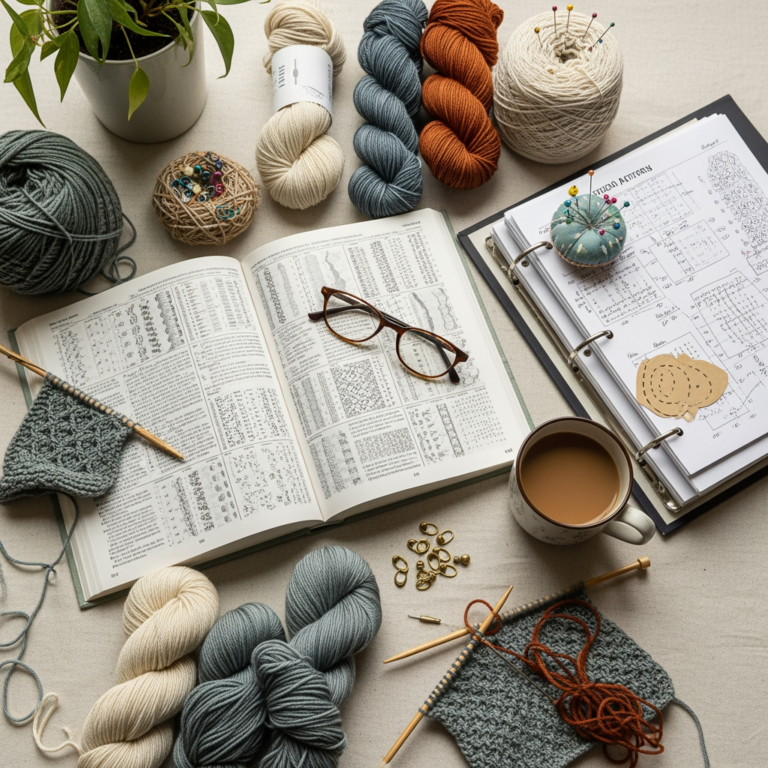
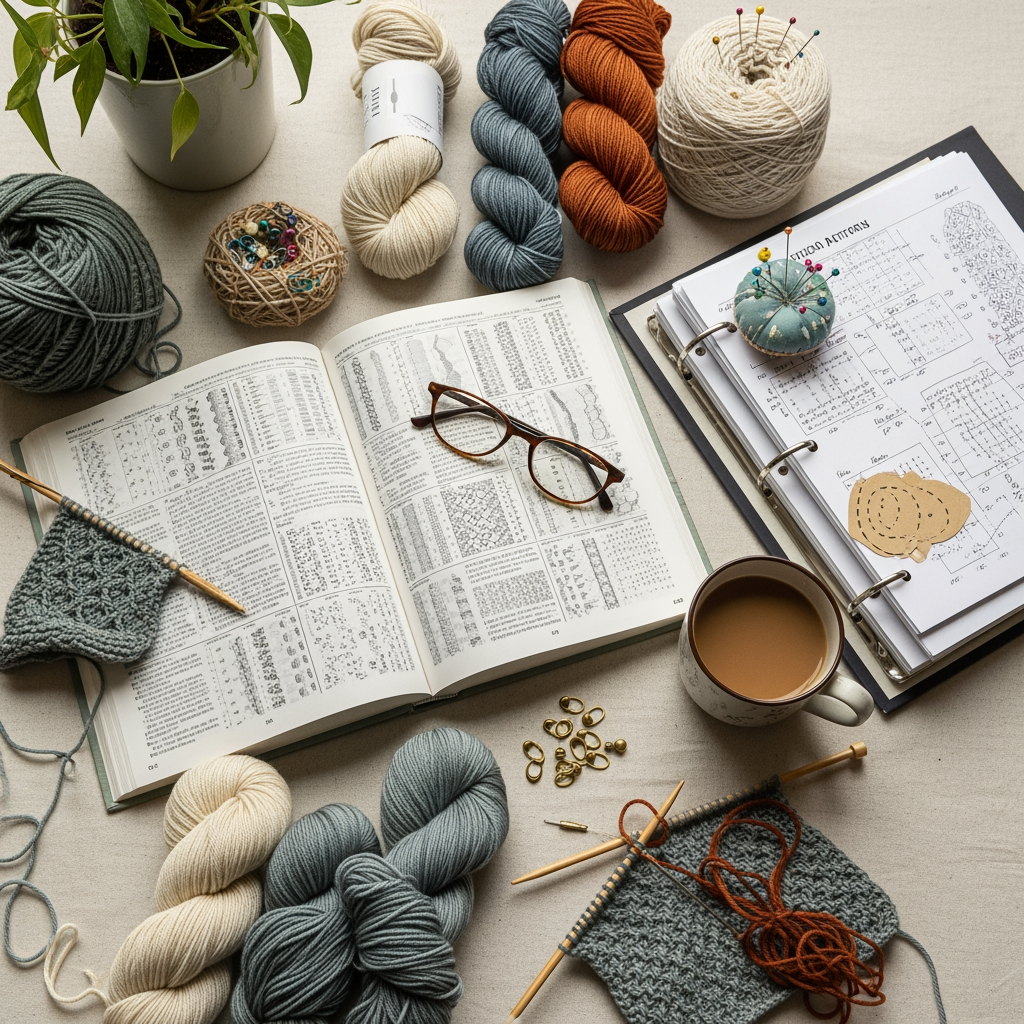
Every knitter eventually hits a wall where the basic stockinette stitch no longer satisfies their creative hunger. Building a library of reference guides is the single most effective way to transition from following patterns to designing your own garments. These books serve as the architectural blueprints for your knitting, allowing you to troubleshoot textures and visualize complex stitch patterns before you even pick up your needles. Whether you are looking to add a delicate lace border to a shawl or a sturdy cable to a sweater, the right guide is an indispensable tool in your fiber arts arsenal.
Vogue Knitting: The Ultimate Stitch Dictionary


This volume is the heavy hitter of the knitting world, functioning less like a casual read and more like a comprehensive encyclopedia. It covers an exhaustive range of techniques, from basic knits and purls to intricate colorwork and complex lace motifs.
For the knitter who wants one singular resource to house them all, this is the gold standard. Its sheer volume of patterns means you won’t outgrow it as your skill level evolves from beginner to advanced.
However, the size can be daunting for a beginner. If you are just learning to hold your needles, start with a smaller, more focused guide to avoid feeling overwhelmed by the sheer density of information.
Barbara Walker’s A Treasury of Knitting Patterns

Barbara Walker is the matriarch of stitch dictionaries, and her work remains the foundation for almost every modern pattern designer. Her collections are famous for their logic; she categorizes stitches by how they are constructed rather than just by their visual output.
This approach is invaluable if you are interested in the "why" behind the stitch. By understanding the underlying math and mechanics, you can eventually modify patterns to fit your specific gauge or yarn choice.
While the photography is vintage and lacks the high-definition gloss of modern books, the technical accuracy is peerless. Do not let the dated aesthetic fool you; this is the most reliable technical data you will find in print.
Japanese Knitting Stitch Bible by Hitomi Shida
If you have ever stared at a complex, ethereal lace pattern and wondered how it was physically possible, you are likely looking at a Hitomi Shida design. Her patterns utilize sophisticated combinations of twisted stitches, bobbles, and intricate decreases.
These patterns are not for the faint of heart, as they require a high degree of tension control. If you tend to knit tightly, you may find these stitches difficult to execute without a very smooth, slick needle, such as nickel-plated or high-quality stainless steel.
Using these stitches requires a commitment to reading complex charts rather than written text. Once you master the Japanese style of charting, however, you will find that it conveys information far more efficiently than long-form prose.
The Principles of Knitting by June Hemmons Hiatt

This book is the "Bible" of technical knitting, focusing less on pretty stitch patterns and more on the engineering of the fabric itself. It explains how different fibers—like high-twist wool versus soft alpaca—react to various stitch structures.
If you are serious about garment construction, you need this on your shelf. It addresses the practical realities of knitting, such as how to prevent edges from curling and why your gauge changes when you switch from flat knitting to knitting in the round.
It is a dense, academic read that requires patience. Use this as a reference manual to solve specific problems rather than trying to read it cover-to-cover in a single sitting.
400 Knitting Stitches by Potter Craft Editors

This guide is the perfect middle-ground for the hobbyist who wants variety without the academic weight of a technical manual. It is highly visual and easy to navigate, making it an excellent choice for a quick reference on a Saturday afternoon.
The layout is intuitive, allowing you to flip through and find a texture that matches your yarn’s weight. If you are working with a bulky wool, you can quickly identify which stitch patterns will provide the best drape without losing structural integrity.
Because it is so user-friendly, it’s a great gift for a beginner. It provides enough complexity to keep things interesting while remaining accessible enough to keep the frustration levels low.
The Harmony Guides: Stitch Library Series

The Harmony Guides have been a staple in yarn shops for decades because they are consistently reliable and easy to use. They are usually organized by category—cables, lace, or colorwork—which makes them highly portable.
These are the "workhorse" books of the knitting community. If you are working on a project that requires a specific type of repeat, you can grab the relevant volume and keep it in your project bag without lugging around a five-pound encyclopedia.
The trade-off is that they are less comprehensive than the massive dictionaries. They are excellent for inspiration and standard techniques, but they won’t help you troubleshoot advanced structural issues.
Knitting Pattern Essentials by Sally Melville

Sally Melville focuses on the "big picture" of knitting, teaching you how to incorporate stitch patterns into actual garments. It is less about the individual stitch and more about how that stitch behaves in a finished piece of clothing.
This is essential reading for anyone who wants to move beyond scarves and blankets. It explains how to calculate stitch counts for different sizes and how to ensure your chosen stitch pattern won’t warp the shape of your sweater.
If you have ever knitted a gorgeous swatch only to find that the final garment looks nothing like the sample, this book will teach you how to bridge that gap. It is the bridge between being a "knitter" and being a "maker."
How to Choose the Right Stitch Reference Guide
Choosing a guide depends entirely on your current project goals and your preferred way of learning. If you are a visual learner, prioritize books with clear, large-scale photography and color-coded charts.
If you are a tinkerer who loves to design, prioritize books that explain the mechanics of the stitch. A book that explains how a cable is formed is always more valuable to a designer than a book that just gives you a row-by-row recipe.
Always consider the weight of the book against your workspace. If you knit in a small chair or a cramped corner, a spiral-bound or smaller-format book will be far more functional than a massive hardcover.
Photo Tutorials vs. Written Stitch Instructions
Photo tutorials are excellent for learning a new maneuver, such as a complex cable cross or a tricky decrease. They provide the visual feedback necessary to ensure your needle is in the right place at the right time.
However, written instructions are the ultimate test of your knitting literacy. Once you learn to parse written abbreviations, you become independent of the book’s specific layout or photography style.
The best reference guides offer both. Use the photos to verify your progress, but rely on the written text to build your internal "knitting vocabulary" for future projects.
Mastering Complex Stitches Through Reference
Mastering a new stitch is a process of breaking it down into its constituent parts. When you encounter a stitch that looks impossible, look for the underlying knit and purl structure within the reference guide.
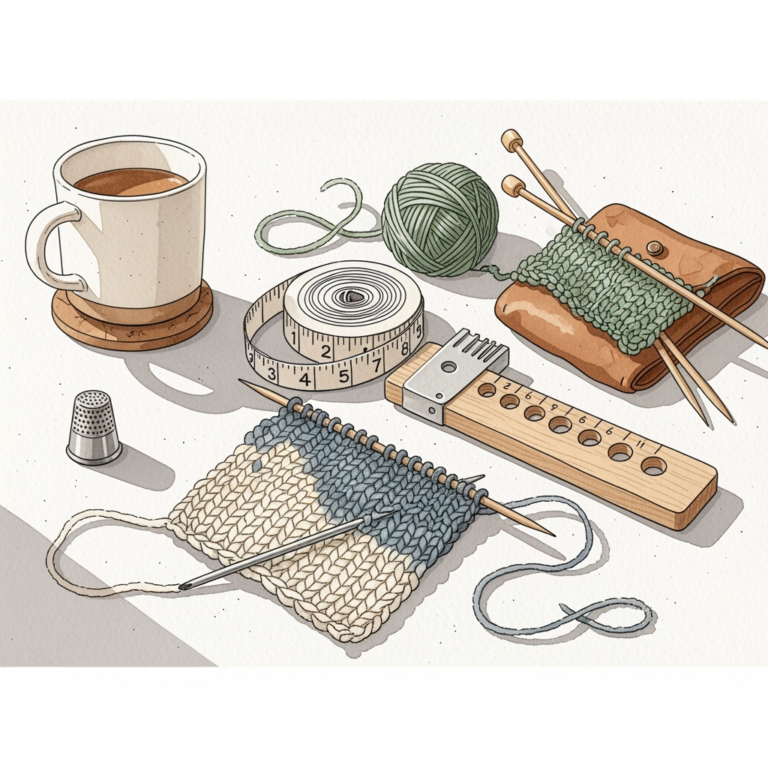
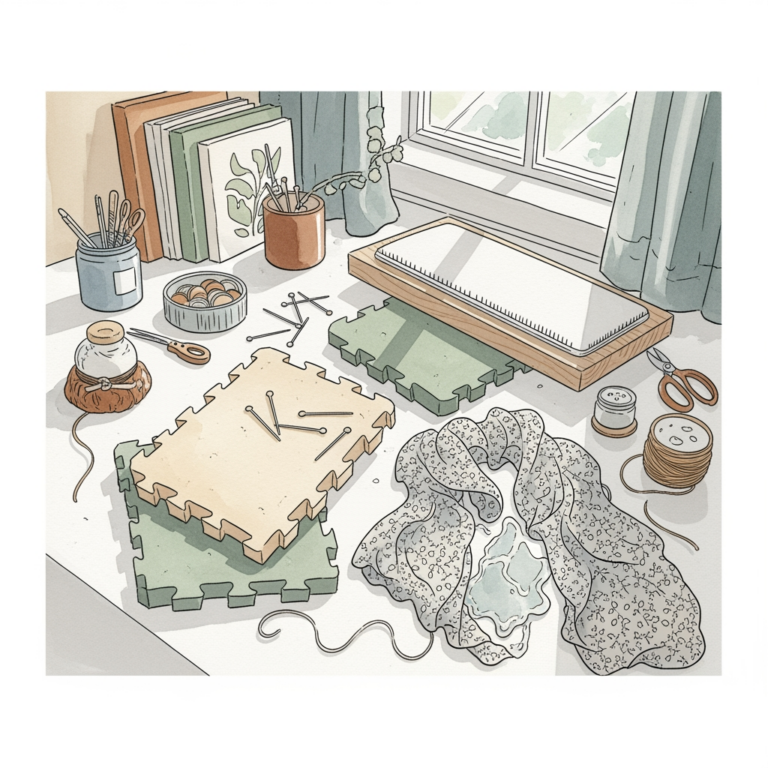
Use your swatch as a testing ground. Don’t be afraid to waste a little yarn to see how a stitch looks when blocked; the fabric will often change significantly once the fibers are relaxed in a water bath.
Remember that every master knitter started by following a chart and making mistakes. The reference guide is not a rulebook—it is a map that gives you the freedom to explore the terrain of your own creativity.
Building your library of stitch references is an investment in your long-term joy as a knitter. By selecting guides that balance technical depth with clear, actionable instruction, you transform your knitting practice from a series of tasks into a lifelong craft. Take your time to browse these titles and choose the one that speaks to your current needs, knowing that each book will teach you something new. Happy knitting, and may your needles always find the perfect stitch for the project at hand.