7 Best Sweater Drying Meshes For Air Circulation
Keep your knits in shape with the top 7 sweater drying meshes. These tools ensure optimal air circulation to prevent stretching and speed up drying times.
After spending dozens of hours perfecting a hand-knit sweater, the last thing you want is for it to lose its shape or develop a musty scent during the drying process. Air circulation is the secret ingredient to ensuring your hard work retains its intended drape and structural integrity. Using a dedicated mesh drying rack prevents the dreaded "wet wool smell" and keeps your stitches crisp. Here are the top tools to help you manage your post-wash routine with the care your fiber deserves.
Honey-Can-Do Foldable Mesh Sweater Drying Rack


This rack is a classic for a reason: it’s simple, effective, and gets the job done without any unnecessary bells and whistles. Its flat design is ideal for sweaters that need to dry perfectly level to avoid stretching out of shape.
The mesh is fine enough to support delicate lace projects without pulling at the fiber, yet sturdy enough for a heavy, cabled wool sweater. When you’re dealing with a high-twist yarn, you need a surface that won’t snag, and this rack delivers a consistently smooth experience.
The downside is that it takes up a significant amount of floor space when in use. If you live in a small apartment, you’ll need to clear a dedicated area, though it folds away neatly when the job is done.
Whitmor Stackable Mesh Sweater Drying Rack

If you’re a prolific knitter who often has multiple projects coming off the blocking board at once, stacking is your best friend. This rack allows you to utilize vertical space, which is a lifesaver when you’re drying a sweater alongside a set of hand-knit shawls.
The stackable design is surprisingly stable, provided you aren’t loading it with soaking-wet, heavy-duty wool blankets. It’s perfect for those who want to maximize their drying efficiency without turning their living room into a laundry obstacle course.
Keep in mind that the lower racks receive slightly less airflow than the top one. I recommend rotating your garments between levels halfway through the drying process to ensure even evaporation.
OXO Good Grips Foldable Sweater Drying Rack

OXO is known for thoughtful engineering, and this rack is no exception. Its standout feature is the folding mechanism, which feels much more robust than the standard wire-and-mesh options you find at big-box stores.
The tension on the mesh is excellent, ensuring your sweater doesn’t sag in the middle as it dries. For those working with heavy, superwash wool that tends to grow when wet, this structural support is vital for maintaining your stitch definition.
It is a bit pricier than other options, but the longevity of the frame makes it a sound investment. If you find yourself blocking sweaters monthly rather than yearly, the ease of setup will pay for itself in saved frustration.
Household Essentials Mesh Sweater Drying Rack
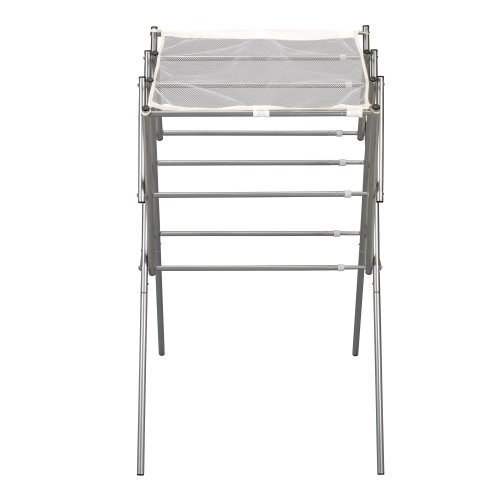
This rack features a slightly larger footprint, which is fantastic for those of us who tend to knit oversized, slouchy sweaters. Having that extra room means you can lay out your garment without folding it awkwardly, which prevents unwanted creases.
The mesh is durable and holds up well against the weight of damp fibers. I’ve found that the frame is rigid enough to handle heavier garments without bowing, which is a common failure point in cheaper models.
It’s a straightforward, utilitarian piece of equipment. It doesn’t fold as compactly as some others, so ensure you have a closet space or a gap behind the laundry machine to store it when it isn’t in use.
Songmics 3-Tier Stackable Mesh Drying Rack
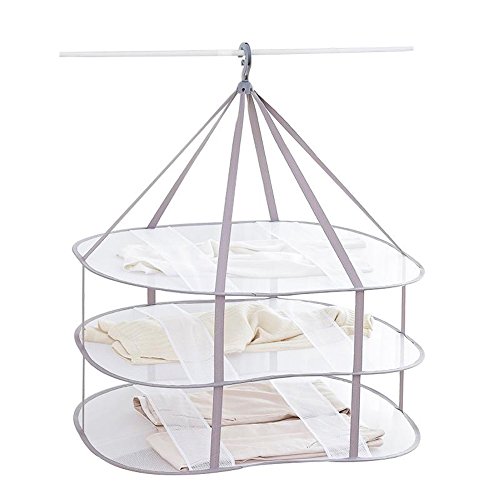
This is a powerhouse for the dedicated knitter who manages a high volume of finished objects. Having three tiers allows you to separate your drying by fiber type or project size, which helps you manage the drying timeline more effectively.
The mesh is well-ventilated, allowing air to pass through from all sides. This is essential for preventing mildew, especially if you are blocking items in a basement or a room with poor natural ventilation.
Be careful when stacking heavy items on the bottom tier. Always place your lightest, most delicate items on the top and your heaviest, most durable pieces on the bottom to maintain the center of gravity.
Smart Design Folding Mesh Sweater Drying Rack
This rack is designed with a focus on portability and ease of storage. If you are someone who only blocks sweaters occasionally and needs a tool that can be tucked away in a drawer, this is an excellent choice.
It provides a good surface area for standard-sized garments. While it might not be the best choice for a massive, heavy-gauge wool coat, it handles everything from fingering-weight cardigans to worsted-weight pullovers with ease.
The trade-off for its portability is a slightly less rigid frame. It works perfectly fine for most projects, but you should avoid overloading it with too much weight to prevent the structure from feeling wobbly.
Minky Homecare Indoor Mesh Sweater Dryer
This rack is designed to be versatile, often fitting across existing laundry equipment or bathtub edges. It’s a clever solution for knitters who lack floor space and need to utilize existing fixtures to get their blocking done.
The mesh is high-quality and breathable, ensuring that your garments dry at a consistent rate. It’s particularly useful for items that require flat drying but aren’t necessarily heavy enough to warrant a full-sized floor rack.
Before buying, measure your space carefully. Because this rack is designed for specific mounting points, you want to be sure it will fit securely across your chosen drying area.
Why Air Drying Is Essential for Wool Garments
Wool is a living, breathing fiber that responds dramatically to heat and agitation. Putting a wet wool sweater in the dryer is a recipe for disaster; the combination of heat and tumbling will almost certainly result in felting or significant shrinkage.
Air drying allows the fibers to relax back into their original shape after the stress of washing. When you lay a garment flat on a mesh rack, you allow the air to circulate through the stitches, which is far gentler than hanging a wet sweater on a line.
Hanging a wet sweater on a hanger is a cardinal sin in the knitting world. The weight of the water will pull the shoulder seams and the body of the sweater, permanently distorting your gauge and ruining the fit you worked so hard to achieve.
Proper Techniques for Blocking Your Handknits
Blocking is the final, most important step in any knitting project. It evens out your stitches, smooths out minor gauge inconsistencies, and truly brings your design to life.
- Soak: Submerge your garment in cool water with a gentle wool wash for 15–20 minutes.
- Squeeze: Gently press the water out using a towel; never wring or twist the fabric.
- Shape: Lay the garment on your mesh rack, gently patting it into the dimensions specified in your pattern.
- Dry: Let it dry completely in a well-ventilated area, away from direct sunlight which can fade natural dyes.
Don’t rush this process. A sweater that feels dry on the outside might still be damp at the core of the yarn, especially with high-ply or dense fibers. Give it an extra day if you’re unsure.
How to Maintain Your Mesh Drying Equipment
Your drying rack is a tool, just like your needles or your swift, and it requires occasional care. After each use, inspect the mesh for any snags or loose threads that could catch on your next project.
If you spill a bit of detergent or fiber dust accumulates on the mesh, wipe it down with a damp cloth. Avoid harsh chemicals, as they can leave residues that might transfer to your delicate hand-knits during the next blocking session.
Store your racks in a dry place to prevent any metal components from rusting. If you have a foldable rack, make sure the hinges are free of debris so they continue to operate smoothly for years to come.
Investing in a quality mesh drying rack is one of the most practical decisions a knitter can make to protect their finished projects. By prioritizing airflow and proper support, you ensure that your sweaters maintain their shape, texture, and beauty for years. Remember, the way you treat your knitwear after it leaves the needles is just as important as the stitches themselves. Choose a rack that fits your space and your collection, and your sweaters will thank you with a lifetime of wear.