
7 Best Silicone Sprays For Smooth Carriage Movement
Enhance carriage performance with our top 7 silicone sprays. Discover the best lubricants for smooth, friction-free movement and long-lasting equipment care.
There is nothing more frustrating than hearing the grinding protest of a knitting machine carriage mid-row. Smooth, fluid movement is the difference between a meditative crafting session and a series of dropped stitches and jammed needles. Using the right silicone spray transforms your machine’s performance, ensuring your carriage glides across the needle bed with effortless precision. Here are the top seven sprays to keep your equipment running like a dream.
1. Blaster Silicone Dry Lube: Best Overall Pick


When your carriage starts feeling heavy or sluggish, Blaster Silicone Dry Lube is the gold standard for most machine knitters. It earns the top spot because it dries completely, leaving behind a slick, protective film that doesn’t attract dust or lint.
This is critical because knitting machines are notorious lint magnets. If you use a greasy lubricant, you’ll eventually create a paste of oil and fiber dust that clogs your needle channels. By using a dry formula, you ensure that your carriage moves freely without inviting a buildup of debris.
The bottom line? If you want a "set it and forget it" solution that keeps your machine running smoothly during long sessions of stranded colorwork or heavy-weight projects, this is your best bet. It provides the perfect balance of friction reduction and cleanliness.
2. 3-IN-ONE Professional Silicone Spray Lubricant

3-IN-ONE is a reliable staple in many knitting studios because of its excellent water-resistant properties. If you live in a humid climate, this spray can help prevent the fine oxidation that sometimes occurs on older metal needle beds.
The application is straightforward, but remember that a little goes a very long way. You don’t need to drench the rails; a light, even mist is sufficient to create the necessary slip for your carriage to move without resistance.
Keep in mind that this formula stays slightly "wetter" than true dry lubes. While this is great for long-term protection, you should be diligent about wiping away any excess to ensure it doesn’t migrate onto your yarn.
3. Liquid Wrench Silicone Spray for Metal Rails
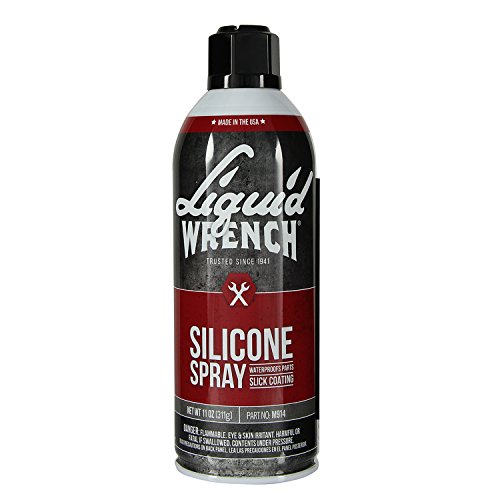
Liquid Wrench is an excellent choice if you are restoring an older, secondhand machine that has been sitting in storage. Its formulation is specifically designed to handle metal-on-metal friction, which is exactly what your carriage and rail system experience.
When dealing with a machine that hasn’t been used in years, you might notice the carriage "chattering" or vibrating as you push it. Liquid Wrench provides a robust barrier that helps dampen that vibration and smooths out the mechanical action.
However, be aware that this is a heavy-duty product. Use it sparingly on the rails, and always ensure you’ve cleaned the old, gummy grease off your machine before applying a fresh layer.
4. CRC Industrial Grade Silicone for Machine Beds

CRC Industrial Grade is built for high-performance environments, making it a favorite for knitters who produce garments at a high volume. If you are constantly running your carriage back and forth for hours, this spray holds up under the heat of friction better than most consumer-grade alternatives.
Its strength lies in its consistency and its ability to withstand high-speed movement. When you are working on a large project, like a full-length sweater, the last thing you want is for your lubricant to break down halfway through the back panel.
The tradeoff here is that the nozzle often sprays a wider pattern. Use a cloth or a piece of cardboard to shield your needle butts and plastic components while you spray the rails to avoid overspray.
5. WD-40 Specialist Silicone Quick-Drying Spray
Don’t confuse this with the standard blue-and-yellow can of WD-40, which is a solvent, not a lubricant. The "Specialist" line is a true silicone-based product that is perfectly safe for the plastic and metal components of your knitting machine.
The "quick-drying" aspect is its best feature for those who want to get back to knitting immediately. It leaves a clear, non-sticky coating that prevents the carriage from dragging, especially when you are working with sticky fibers like mohair or cotton.
If you are a beginner, this is a very accessible and trustworthy choice. It is widely available and performs consistently across different machine brands and models.
6. Permatex Silicone Lubricant for Knit Carriages
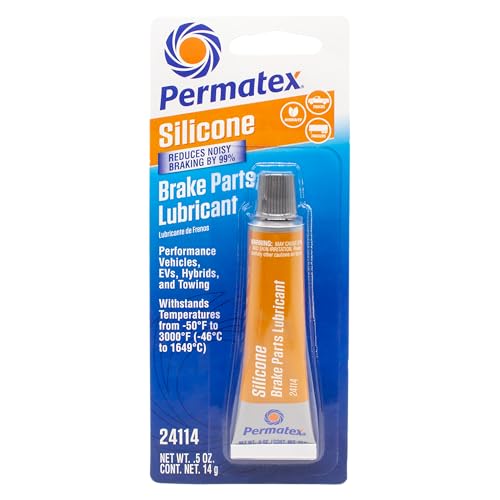
Permatex is often overlooked in the knitting world, but it is a hidden gem for those who prioritize precision. It is exceptionally slippery, which makes it ideal for machines with tighter tolerances or those that feel particularly "tight" when cold.
If you find that your carriage requires a lot of physical force to push, Permatex can significantly reduce that effort. This is a game-changer for knitters who suffer from wrist strain or repetitive motion fatigue.
Just be careful with the application. Because it is so slick, if you get any on the floor around your machine, it becomes a major slip hazard. Keep a rag handy to wipe up any accidental drips immediately.
7. DuPont Teflon Silicone Spray for Smooth Glides
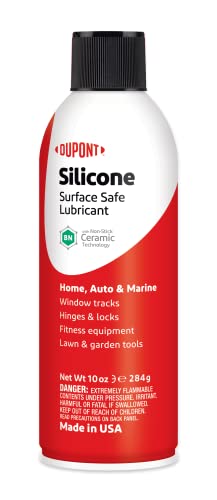
DuPont’s addition of Teflon (PTFE) to their silicone spray adds an extra layer of durability. This is particularly useful if you are knitting with abrasive fibers, such as metallic yarns or certain linen blends, which can sometimes create micro-scratches on your machine parts.
The Teflon particles fill in microscopic imperfections in the metal, creating a surface that feels almost like glass. This results in a carriage movement that is whisper-quiet and incredibly smooth.
It’s a more premium product, but for a cherished vintage machine, it’s worth the investment. Think of it as an insurance policy for the longevity of your needle bed and carriage.
8. Why Machine Lubrication Matters for Knitters
Lubrication isn’t just about speed; it’s about the health of your machine. When your carriage moves smoothly, you exert less pressure on the needles and the sinkers, which prevents bent needles and broken gate pegs.
If you are working with delicate, high-twist wool, a smooth carriage ensures that your stitches are formed with consistent tension. When the carriage drags, it pulls on the yarn, leading to uneven stitch size and potential dropped stitches.
Ultimately, a well-lubricated machine is a quiet machine. If you hear loud clicking or scraping, it is a clear sign that your machine is working harder than it needs to, and that friction is wearing down your components.
9. How to Apply Silicone Safely to Needle Beds
Never spray directly onto the machine bed if you can avoid it. Instead, spray the silicone onto a clean, lint-free cloth and then wipe that cloth along the rails and the path of the carriage.
This method gives you total control, preventing the spray from getting into the needle slots or onto the sponge bar. You want the lubricant on the rails, not inside the delicate mechanisms where it could attract dust.
After applying, run the carriage back and forth across the bed several times without any yarn. This helps distribute the lubricant evenly and allows you to "feel" if there are any spots that still need a little extra attention.
10. Maintenance Tips to Prevent Carriage Jamming
The best way to prevent jams is to establish a regular cleaning routine. Before you start your first row of the day, take a soft brush and clear away any stray fibers or "fluff" that settled on the bed overnight.
- Clean before you lube: Always wipe down the rails with a clean cloth before adding new spray.
- Check your tools: Inspect your needles for any signs of rust or burrs, as these will catch on the carriage regardless of how much silicone you use.
- Watch the temperature: In very cold rooms, metal contracts and machines can get stiff; keep your studio at a comfortable temperature to ensure the lubricant flows correctly.
If you notice your carriage jamming, stop immediately. Check for a bent needle or a piece of yarn caught in the sinker plate. Forcing the carriage through a jam is the fastest way to cause permanent damage to your machine.
Keeping your knitting machine well-lubricated is one of the most important habits you can develop for long-term success. By choosing a high-quality silicone spray and applying it with care, you protect your investment and ensure every row is as smooth as the first. Take the time to maintain your tools, and they will reward you with years of beautiful, trouble-free knitting. Happy making!