6 Best Plastic Basins for Soaking Yarn for Crafters
Discover the top 6 plastic basins for soaking yarn. We compare durability, size, and portability to help you find the perfect vessel for your fiber projects.
Blocking is the final, essential step that transforms a pile of stitches into a professional-looking garment. Finding the right vessel for this process is often overlooked, yet it is crucial for ensuring your handknits are treated with the care they deserve. Whether you are soaking a delicate lace shawl or a heavy wool sweater, the right basin makes all the difference. Here are the best options to help you achieve perfect results every time.
Sterilite 16-Quart Plastic Basin: Best Overall


The Sterilite 16-quart basin is a staple in many knitting studios for a reason. It offers the perfect middle ground between depth and width, allowing you to submerge a standard-sized sweater without crowding the fibers.
When you are soaking a sweater, you want the water to circulate freely through the fabric. This basin provides enough volume to ensure the yarn is fully saturated without needing to wrestle with the garment.
It is lightweight, easy to clean, and fits perfectly in most standard kitchen sinks. For the knitter who wants a reliable, no-nonsense tool that handles 90% of their projects, this is the gold standard.
Rubbermaid Commercial Dish Pan: Best Durability

If you frequently work with bulky, heavy wools or large-scale blankets, you need something that won’t flex or crack under pressure. The Rubbermaid Commercial dish pan is built to withstand heavy-duty use.
This basin is significantly thicker and more rigid than standard household plastic tubs. When you are lifting a wet, heavy wool blanket, you don’t want a basin that bows and risks spilling water on your floor.
While it is less "elegant" than other options, it is practically indestructible. It is the ideal choice for the knitter who values utility and longevity above all else.
Prepworks Collapsible Tub: Best Space Saver
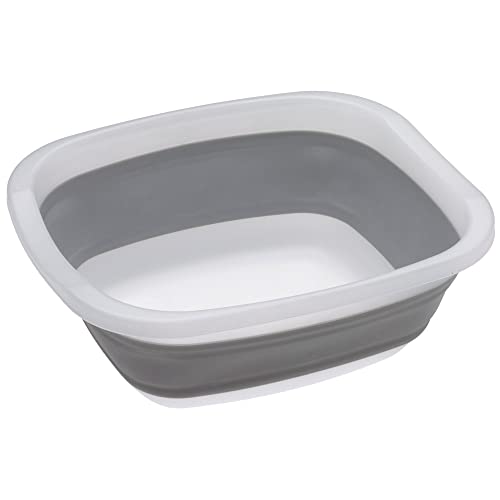
Living in a small apartment or a home with limited storage shouldn’t stop you from blocking your projects properly. The Prepworks Collapsible Tub shrinks down to a fraction of its size when not in use.
The silicone sides allow it to fold flat, making it easy to tuck into a drawer or under the bed. It is a brilliant solution for knitters who don’t have a dedicated utility room or extra closet space for bulky basins.
Keep in mind that the silicone material requires a bit more care during cleaning to prevent residue buildup. However, for the space-conscious crafter, the trade-off is well worth it.
Iris USA 15-Quart Basin: Best for Small Knits
For those who specialize in socks, hats, and mittens, a massive basin can actually be a hindrance. The Iris USA 15-quart basin is perfectly scaled for smaller projects.
Using a smaller basin means you use less water and less wool wash, which is a significant benefit if you are using expensive, artisanal detergents. It keeps your small items from floating away and getting tangled during the soak.
It is compact enough to store easily but sturdy enough to handle the weight of wet, dense sock yarn. If your project list consists mostly of accessories, this is your go-to vessel.
Better Houseware Small Sink Tub: Best Value

Sometimes you don’t need fancy features; you just need a simple, effective container. The Better Houseware Small Sink Tub is an affordable, straightforward solution that gets the job done.
It is designed to fit inside most kitchen sinks, which acts as a secondary safety net in case of an accidental leak. It is simple to rinse out and dries quickly, reducing the risk of mold or mildew.
Don’t let the low price point fool you; it is perfectly functional for delicate handknits. It is an excellent choice for beginners who are just starting to build their blocking kit on a budget.
OXO Good Grips Dish Tub: Best Ergonomic Design

Soaking yarn requires a bit of maneuvering, especially when you are gently squeezing water out of a heavy garment. The OXO Good Grips Dish Tub features comfortable, non-slip handles that make transport much easier.
The feet on the bottom are designed to elevate the tub slightly, which allows for better airflow underneath. This is a subtle but helpful feature if you are working on a countertop and want to avoid temperature transfer from the surface.
The interior is smooth and free of sharp edges, ensuring your delicate lace or hand-dyed fibers don’t snag. It is a thoughtful design that prioritizes both the knitter’s comfort and the safety of the yarn.
Essential Factors for Choosing a Soaking Basin
When shopping for a basin, the most important factor is size. You want a container large enough for your project to lay flat or be submerged without being bunched up, as tight bunches can lead to uneven soaking.
Consider the weight of the water combined with your heaviest projects. A basin that is too flimsy will be difficult to carry to your blocking surface without splashing.
- Capacity: Ensure it can hold enough water to cover your largest project.
- Weight: Look for a balance between sturdy construction and ease of handling.
- Shape: Rectangular basins are generally easier to store and fit in sinks than round ones.
Why Material Matters for Delicate Wool Fibers
Plastic is the industry standard for blocking because it is non-porous and easy to sanitize. Unlike wood or certain metals, high-quality plastic won’t leach chemicals or react with your wool wash.
Avoid using basins with porous surfaces or deep crevices, as these can trap old soap residue or dust. Even a microscopic amount of leftover detergent can affect the "hand"—the feel and drape—of your finished project.
Always ensure your basin is BPA-free and food-grade if possible. This ensures that the material is inert and safe for even the most sensitive luxury fibers like cashmere or silk.
Proper Techniques for Safely Soaking Handknits
Never pour water directly onto your knitting, as the force can cause agitation and unnecessary felting. Instead, fill the basin first, add your wool wash, and then gently submerge your project.
Press the garment down into the water with your hands, using a gentle "patting" motion. Never rub or wring the yarn, as this creates friction that will damage the fiber structure and ruin your stitch definition.
- Temperature: Use lukewarm water; extreme temperatures can shock fibers.
- Time: Soak for 15–20 minutes to ensure full penetration.
- Rinsing: If your wool wash is "no-rinse," you can skip this step, but be careful not to over-saturate.
How to Maintain and Clean Your Soaking Basins
A clean basin is vital for the health of your yarn. After every use, rinse the basin thoroughly with warm water to remove any soap film or fiber debris.
If you notice a buildup of residue, use a mild vinegar solution to wipe down the interior. This helps neutralize any lingering scents or mineral deposits from your tap water.
Store your basins in a dry, cool place away from direct sunlight. Over time, UV exposure can cause plastic to become brittle, which increases the risk of cracks and leaks during your next blocking session.
Selecting the right basin is a small investment that pays off every time you finish a project. By choosing a tool that fits your specific knitting habits, you protect your hard work and ensure your garments look their best. Treat your yarn with care, and it will reward you with years of wear and beauty. Happy knitting, and enjoy the satisfaction of a perfectly blocked project.