7 Best Wrist Cooling Wraps For Knitting Inflammation
Soothe knitting-related wrist pain with our top seven cooling wraps. Discover effective, ergonomic relief options designed to reduce swelling and discomfort.
We’ve all been there: the deadline for a baby blanket is looming, or you’re finally tackling that complex stranded colorwork sweater, and suddenly your wrist starts to throb. Knitting is a repetitive motion sport, and even the most ergonomic needles can’t fully prevent the inflammation that comes from hours of tension. Finding the right cooling wrap is essential for keeping your hands nimble and your stash moving from the yarn bowl to the finished object. Here are seven top-tier options to help you manage that post-knitting fatigue and get back to your needles.
ComfyBrace Wrist Ice Pack: Best Overall Choice


When you’re deep into a marathon session of knitting lace with fine-gauge yarn, your wrists often bear the brunt of the tension. The ComfyBrace is a standout because it offers a near-perfect balance of compression and cold penetration. It doesn’t just sit on the skin; it hugs the wrist firmly, which is crucial for reducing inflammation after hours of holding heavy wool blankets or dense cotton projects.
The design is particularly friendly for knitters who need to keep their hands somewhat mobile while icing. Unlike bulky ice packs that require you to sit perfectly still, this wrap allows for a bit of movement, meaning you can still sip your tea or flip through your pattern charts while you recover. It’s sturdy enough to handle daily use throughout a long-term project.
However, consider the weight of the wrap itself. If your inflammation is severe, the added bulk might feel like too much, but for standard fatigue, it’s the gold standard. Bottom line: This is the most versatile choice for the everyday knitter.
Vive Cold Compression Wrap for Tendonitis

Tendonitis can turn a relaxing hobby into a painful chore, especially when working with high-twist yarns that require a tighter grip. The Vive wrap is designed specifically to address the sharp, localized pain that often flares up in the wrist joint. It features an adjustable strap system that lets you control exactly how much pressure is applied to the affected area.
I appreciate that this wrap doesn’t "sweat" as much as others, keeping your knitting space and your yarn stash dry. If you’re working with delicate silk or mohair, you don’t want condensation dripping onto your fiber, as moisture can alter the drape or even cause unwanted felting in certain animal fibers. The Vive keeps the cooling effect contained and focused.
Keep in mind that the compression is quite strong, which is great for swelling but might be uncomfortable if you have sensitive skin. Bottom line: Use this if you need firm, targeted support for specific tendon pain.
NatraCure Cold Therapy Wrist Compression Wrap

If you find yourself knitting for hours on end, you know that the "knitter’s cramp" often creeps up the forearm. The NatraCure wrap is unique because it covers a larger surface area than the average wrist pack. This is ideal for those who feel the strain of weightier projects, like heavy-ply wool sweaters, radiating up from the wrist into the forearm muscles.
The gel pack inside remains flexible even when frozen, which is a massive advantage. You don’t want a rigid, icy brick pressing against your skin; you want something that conforms to your anatomy. This flexibility ensures that the cold reaches every part of the joint, providing a more uniform recovery.
One tradeoff is the fabric texture, which can be a bit thick. If you’re prone to overheating, you might find it a bit warm under the wrap, but the cooling benefits usually outweigh that minor discomfort. Bottom line: The best option for those whose pain extends beyond just the wrist joint.
TheraPAQ Reusable Gel Pack for Wrist Relief
TheraPAQ is the workhorse of the bunch, designed for durability and repeated use. If you are a high-volume knitter—someone who finishes a pair of socks every week—you need a pack that survives the freezer-to-wrist cycle hundreds of times. This pack is robust and holds its temperature for a surprisingly long time.
The fabric is soft against the skin, which is a big plus when your wrists are already tender from repetitive movements. It’s also very easy to clean, which is important if you’ve been handling dyed yarns or natural fibers that might leave behind a bit of residue or dust. It’s a no-nonsense tool for the serious maker.
The main drawback is that it’s slightly less "form-fitting" than the specialized wraps. You might need to adjust the straps a few times to get the perfect fit for your specific wrist anatomy. Bottom line: A reliable, long-lasting choice for the frequent, high-intensity knitter.
Magic Gel Wrist Ice Pack for Knitting Pain

Magic Gel packs are known for their ability to stay cold for a long duration, which is perfect if you’re icing while watching a long tutorial video on a new cast-on technique. The gel is distributed evenly, so you don’t end up with "cold spots" or empty pockets of fabric. This consistency is key for soothing deep-seated inflammation.
What I love about this wrap is the interior lining, which feels gentle on the skin. When your wrists are inflamed, even the slightest friction can be irritating; this wrap avoids that entirely. It’s a very comfortable, "forget-you’re-wearing-it" kind of support.
Be aware that because it holds the cold so well, you should be careful not to keep it on for too long. Always follow the 20-minutes-on, 20-minutes-off rule to protect your skin. Bottom line: Excellent for those who want a long-lasting, gentle cooling session.
FOMI Gel Bead Wrist Wrap for Inflammation

The gel bead technology in the FOMI wrap is fascinating because it allows the pack to contour perfectly to the complex shape of your wrist. If you have thin wrists or bony prominences that usually make ice packs slide off, this is the solution. The beads shift to fill the gaps, ensuring full contact with your skin.
This design is particularly helpful if you’ve been working with small-gauge circular needles, which require a lot of fine motor control and micro-movements of the wrist. The beads provide a gentle, massaging sensation that can help break up the tension in the tendons. It’s a very soothing experience after a long day of knitting.
The trade-off is that the beads can sometimes shift too much if you move your arm vigorously. You’ll want to stay relatively still while using this one. Bottom line: The best choice for a precise, custom-contoured fit.
Koo-Care Flexible Gel Wrap for Joint Support
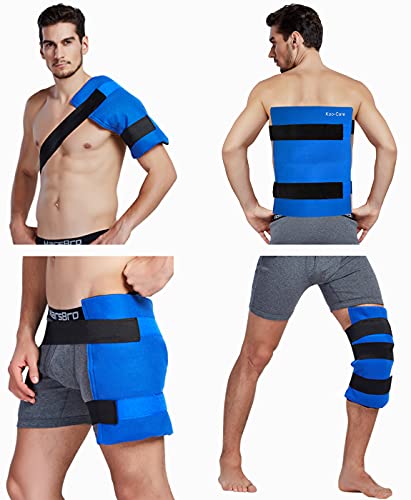
Koo-Care offers a very straightforward, user-friendly approach that is perfect for beginners who might be new to using cold therapy. It’s lightweight and easy to wrap, with a secure hook-and-loop closure that doesn’t snag on your yarn or clothing. When you’re mid-project, you don’t want a wrap that catches on your wool fibers.
The flexibility of the gel is impressive, allowing you to wrap it tighter or looser depending on your needs. If you’re suffering from mild inflammation, a looser fit provides a nice, cooling sensation without the pressure. If you’ve pushed yourself too hard on a complex lace project, you can tighten it for more support.
It’s a simple, effective tool that doesn’t overcomplicate the process of recovery. It gets the job done without any fuss. Bottom line: A great, simple option for knitters who want quick, reliable relief.
How to Manage Knitting Pain With Cold Therapy
Cold therapy is most effective when used immediately after you notice the first signs of heat or throbbing in your wrists. Don’t wait until the pain is sharp; if you feel a dull ache after an hour of knitting, take a break and apply the cold wrap. This helps prevent the inflammation from settling into the tendons.
Always ensure you have a thin layer of fabric between the ice pack and your skin if the manufacturer recommends it, though many of these wraps are designed to be safe for direct contact. Use the wrap for 15 to 20 minutes at a time. This is the "sweet spot" for reducing inflammation without causing the body to overcompensate with increased blood flow.
Finally, remember that cold therapy is only one part of the puzzle. It should be paired with proper posture, adequate lighting, and frequent breaks to ensure your hands stay healthy for years of knitting to come.
Knowing When to Take a Break From Your Projects
The most difficult skill for a knitter to master isn’t a complex cable or a tricky grafting technique; it’s knowing when to put the needles down. If you find yourself constantly adjusting your grip, shifting your weight, or feeling the need to "shake out" your hands, your body is telling you to stop. Listen to it.
I suggest setting a timer for 45 minutes of knitting followed by a 15-minute break. During that break, step away from your project entirely. Don’t scroll through your social media feeds, as that uses the same small muscles in your hands and wrists that knitting does. Instead, walk around, stretch, or do something that doesn’t involve fine motor tasks.
If you are working on a deadline, like a gift for a wedding or a baby shower, break the project into smaller, manageable chunks. It’s better to have a slightly late gift than to develop a chronic injury that prevents you from knitting for months. Your health is the most important tool in your kit.
Essential Wrist Stretches for Avid Knitters
Before you even pick up your needles, take a moment to warm up your wrists. Extend your arm in front of you, palm facing up, and use your other hand to gently pull your fingers back toward you. Hold this for 15 seconds, then switch to palm down and pull your fingers toward you again.
Another great stretch is the "prayer position." Place your palms together in front of your chest and slowly lower your hands toward your waist while keeping your palms pressed together. This stretches the tendons and nerves that get tight during long knitting sessions.
Finally, try "tendon glides" by opening your hand wide, then curling your fingers into a hook, and then a fist. Repeat this movement slowly five times. These simple, low-impact movements keep your joints lubricated and ready for the tension of your next cast-on.
Knitting is a lifelong journey, and taking care of your hands is the best way to ensure you can enjoy it for decades. Whether you choose a bead-filled wrap for its contouring ability or a compression-heavy brace for deep support, the goal is always the same: comfort and longevity. Don’t let inflammation dictate your creative output; use these tools to stay in the game. Happy knitting, and remember to listen to your body as closely as you follow your pattern.