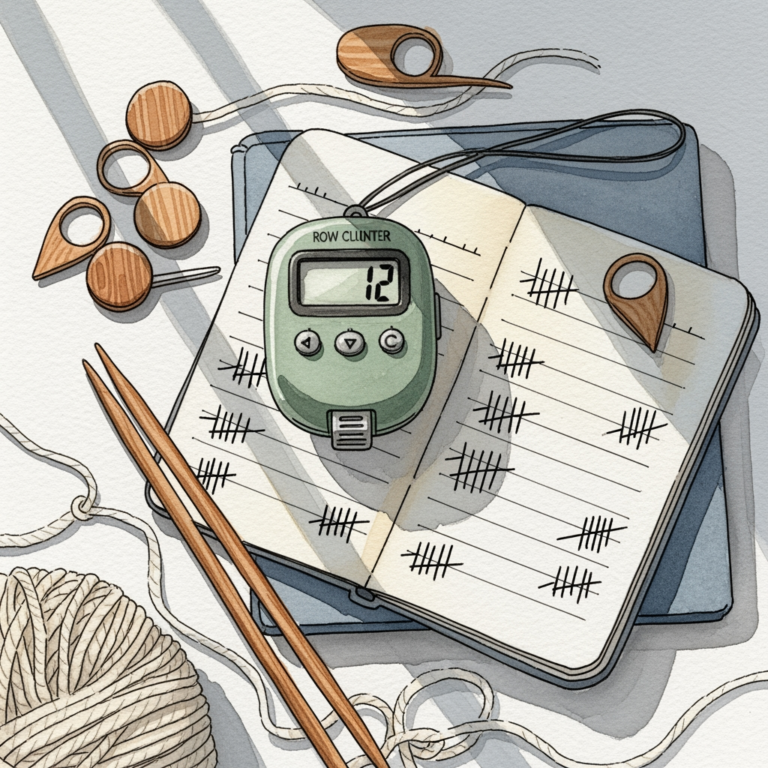
6 Best Spinning Notebooks For Fiber Logging
Track your spinning progress with these 6 top notebooks. Discover the best journals for logging fiber types, drafting techniques, and yarn specifications.
Every spinner knows the frustration of creating a beautiful, balanced yarn only to forget the exact drafting method or twist angle six months later. Keeping a dedicated fiber log transforms your spinning from a series of happy accidents into a repeatable, intentional craft. By documenting your process, you build a personal library of what works and, more importantly, what doesn’t. These six notebooks offer the structure needed to elevate your spinning practice to a professional level.
The Spinner’s Record: Best Overall Fiber Logging


This notebook strikes the perfect balance between structure and creative freedom. It provides dedicated fields for fiber content, prep method, and drafting style without feeling like you are filling out a tax form.
For the spinner who moves between breeds—from bouncy Corriedale to slippery Bluefaced Leicester—this layout is invaluable. It forces you to note the WPI (wraps per inch), which is the most reliable way to track your yarn’s thickness before you ply.
The bottom line: If you want a reliable, all-in-one system that doesn’t overwhelm you, this is your go-to. It’s sturdy enough to live in your spinning bag and clear enough to read years down the road.
Spinners’ Flock: Best For Detailed Fiber Logging

If you are the type of spinner who tracks every twist per inch (TPI) and records the exact temperature and humidity of your spinning room, this is your match. It is designed for the analytical mind that wants to reverse-engineer their best yarns.
The layout is exhaustive, covering everything from the source of the fleece to the specific wheel settings used. This level of detail is crucial when you are trying to replicate a specific yarn weight for a sweater project where gauge is non-negotiable.
Don’t let the complexity intimidate you, though. You don’t have to fill in every single box to make it useful. Use it as a roadmap for your growth as a spinner.
The Ashford Spinning Journal: Best For Beginners

New spinners often struggle with knowing what information actually matters. This journal guides you through the process, prompting you to record the basics like fiber type, wheel ratio, and drafting technique.
It’s less about rigorous data collection and more about building the habit of mindfulness. When you are learning to manage twist, having a place to write down that you felt "over-twisted" or "uneven" helps you adjust your treadling rhythm in the next session.
This journal is a gentle teacher. It keeps your early experiments organized so you can look back and see how far your drafting consistency has come.
Schacht Spindle Company Fiber Log: Best For Pros

Professional production spinners need a system that handles high-volume data quickly. The Schacht log is utilitarian, focused on efficiency and quick reference for those who spin for specific project requirements or retail sales.
It excels at tracking batch consistency. If you are spinning a large quantity of fiber for a multi-skein project, this log helps you ensure that your tension and ply remain identical from the first bobbin to the last.
It lacks the "fluff" of artistic journals, but that is its greatest strength. It is a tool, not a keepsake, designed for those who treat their spinning as a serious, repeatable craft.
The Fiber Artist’s Daily Planner: Best For Layouts

Sometimes you want to sketch your fiber blends or map out color transitions. This planner offers generous space for the visual side of spinning, making it ideal for those who spin art yarns or complex colorways.
It bridges the gap between a technical log and a creative sketchbook. You can tape in a small sample of your roving alongside a swatch of the finished yarn to see how the colors shifted during the spinning process.
Choose this if your spinning is as much about color theory and texture as it is about twist and weight. It allows your personality to shine through your data.
Moleskine Classic Notebook: Best Minimalist Pick
Not every spinner needs a pre-formatted grid to stay organized. If you prefer a blank slate, a high-quality Moleskine allows you to design your own tracking system that evolves as your skills do.
The benefit here is total flexibility. You can dedicate one page to a project summary and the next to a detailed technical breakdown, or even include sketches of your wheel’s drive band setup.
The downside is the lack of prompts; you have to be disciplined enough to remember what to record. If you are a self-starter who finds pre-printed forms too restrictive, this is the best choice for your shelf.
Why Tracking Fiber Data Improves Your Spinning
Tracking data is the fastest way to bridge the gap between "beginner" and "competent." When you record your WPI and drafting method, you begin to see patterns in your own style.
You might notice, for example, that you consistently spin thinner when you use a long-draw technique compared to a short-forward draw. Without a log, this is just a vague feeling; with a log, it becomes a usable fact.
Ultimately, logging creates a feedback loop. You learn to predict how a specific fiber will behave on your wheel, allowing you to choose the right prep and twist for the finished fabric you envision.
Essential Metrics to Log for Every Spinning Project
To get the most out of your logs, focus on these non-negotiable metrics:
- Fiber Breed/Content: Knowing if it’s Merino vs. Lincoln changes how you approach drafting.
- Prep Method: Was it combed top, carded batt, or raw lock?
- WPI: This is your primary gauge for thickness.
- Wheel/Spindle Settings: Record your ratio and tension for future replication.
- Ply count: Always note if it is a 2-ply, 3-ply, or chain-plied yarn.
These metrics provide the "DNA" of your yarn. If you ever need to match a yarn for a repair or a second sweater, these numbers are your only way back to the original.
Choosing Between Digital Apps and Paper Journals
Digital apps are fantastic for searchability and cloud storage, but they lack the tactile satisfaction of a physical book. A paper journal lives on your wheel table, ready to be grabbed the moment you finish a bobbin.
Apps are better for those who want to track massive inventories of stash, while paper journals are better for the "in the moment" recording of spinning feel and drafting flow. Many pros actually do both: they use a paper log for the daily grind and a digital database for long-term inventory management.
Don’t feel pressured to pick one over the other. Use what makes you actually record the data, as a half-filled digital app is less useful than a well-loved paper notebook.
How to Archive Your Fiber Samples and Swatches
A log is only half the battle; the physical sample is the other half. Always save a small "yarn tag" or a few inches of your finished yarn taped directly into your notebook.
If you are feeling ambitious, knit a small 2×2 inch swatch from your handspun. This shows you how the yarn blooms after washing and how it reacts to being knitted up.
Label your samples with the date and project name. Over time, your notebook will become a tactile library of textures, helping you make better fiber choices for future projects.
Consistency is the secret ingredient that turns a hobbyist into a master spinner. By logging your fiber data, you move beyond guessing and start spinning with true intention and control. Whether you choose a structured journal or a simple blank notebook, the act of recording your process is a commitment to your own growth. Start your log today, and watch as your spinning becomes more precise, more creative, and infinitely more rewarding.