6 Best Skein Winders For Handspun Yarn To Own
Discover the top 6 skein winders for handspun yarn. Our guide compares features to help you choose the best tool for efficient, tangle-free yarn management.
Transforming a freshly spun skein into a usable center-pull cake is one of the most satisfying rituals for a handspinner. However, the unique texture and varying thickness of handspun yarn require a winder that can handle more than just standard commercial wool. Choosing the right tool ensures your precious, labor-intensive yarn remains tangle-free and ready for your next project. Here are the top contenders to help you manage your stash with ease and precision.
Stanwood Needlecraft Large Metal Ball Winder


If you spin voluminous, lofty wools or thick, multi-ply yarns, the Stanwood Large Metal Ball Winder is the gold standard for stability. Its heavy-duty construction prevents the "wobble" often seen in cheaper plastic models when winding large skeins.
The standout feature here is the metal gear assembly, which provides a smooth, consistent rotation that won’t skip or bind. This is essential when you are dealing with the slight irregularities inherent in handspun, as it maintains a steady pull that prevents uneven tension.
Bottom line: If you frequently spin large quantities of yarn and want a tool that survives years of heavy use, this is a worthwhile investment for your studio.
Nancy’s Knit Knacks Heavy Duty Ball Winder

Nancy’s Knit Knacks has built a reputation on precision engineering, and their heavy-duty winder is designed for the serious fiber artist. It is specifically built to handle the weight of larger skeins without the risk of the gears slipping under pressure.
What sets this model apart is the adjustable tension guide, which allows you to customize how tightly the yarn is wound. For handspun, which can be delicate or prone to stretching, this level of control is a game-changer.
If you are concerned about your yarn "growing" or losing its twist during the winding process, this winder offers the mechanical control necessary to keep your fibers pristine.
Lacis Wooden Yarn Ball Winder for Handspun

For those who appreciate the aesthetic of their tools as much as their function, the Lacis Wooden Winder is a beautiful addition to any craft room. It isn’t just for show; the wooden construction provides a solid, grounded base that feels substantial during operation.
The natural material is often gentler on delicate fibers, such as hand-spun mohair or fine silk blends. Because wood doesn’t generate the same static electricity as some plastics, you’ll find that "flyaway" fibers are less likely to cling to the winder.
While it requires a bit more care to keep the wood clean and smooth, it remains a sturdy, reliable choice for the traditional spinner.
Strauch Jumbo Ball Winder for Bulky Yarns
When you are working with art yarns, thick singles, or massive skeins of bulky wool, standard winders often fail to accommodate the volume. The Strauch Jumbo Ball Winder is engineered specifically to handle these large-scale projects without stalling.
It features a high-capacity bobbin that allows you to wind massive cakes that won’t collapse under their own weight. This is critical for handspun, where you want to avoid over-compressing the fibers and losing that beautiful, airy loft you spent hours spinning.
If your spinning wheel is constantly churning out bulky, textured yarns, this is the only winder that will keep up with your production pace.
Knit Picks Yarn Ball Winder for Beginners
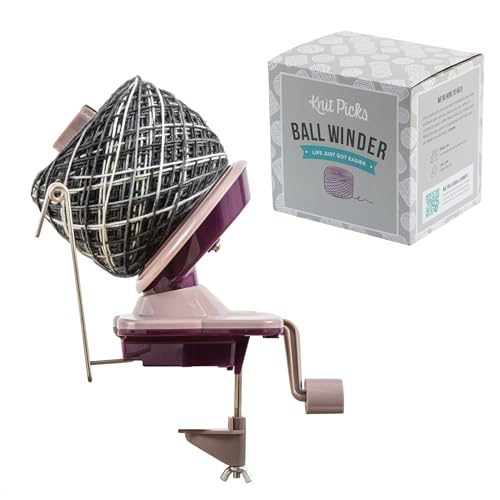
Not every spinner needs a heavy-duty industrial machine, especially if you are just starting your journey into handspun. The Knit Picks winder is an excellent entry-level option that is both affordable and surprisingly capable.
It is lightweight and portable, making it easy to tuck away if you don’t have a dedicated studio space. While it is made of plastic, it is perfectly adequate for standard-weight yarns and smaller skeins that don’t require high-torque winding.
For the beginner who is learning the ropes, this winder provides a low-barrier entry point to the world of center-pull cakes.
ChiaoGoo Hand-Operated Yarn Ball Winder
ChiaoGoo is a brand synonymous with quality knitting needles, and their winder carries that same commitment to precision. It is designed with a very smooth, quiet mechanism that makes the winding process almost meditative.
This winder is particularly adept at handling finer weight handspuns, such as lace or fingering weight, where consistent tension is the difference between a smooth cake and a tangled mess. The gears are refined, reducing the "jerky" motion that can snap fragile, hand-spun threads.

If you value a quiet, smooth operation and work with delicate, high-twist yarns, this is an excellent, reliable companion.
Essential Features for Winding Handspun Yarn
When selecting a winder for handspun, look beyond the price tag and focus on the mechanics of how the yarn is pulled. Handspun is rarely as uniform as mill-spun yarn, meaning your winder needs to be forgiving of slight variations in WPI (wraps per inch).
Key features to prioritize include:
- A sturdy base: Essential for preventing the winder from sliding or tipping during use.
- Adjustable tension: Critical for preventing the yarn from being wound too tightly, which can permanently stretch the fibers.
- Gear quality: Metal gears offer a longer lifespan and more consistent rotation than plastic.
Always remember that the goal is to create a cake that is firm enough to hold its shape but loose enough to preserve the loft and character of your handspun yarn.
Why Metal Gears Outperform Plastic Components
In the world of yarn winders, the internal gears are the heart of the machine. Plastic gears are prone to stripping, especially when you are winding heavy skeins or if you accidentally pull too hard on the yarn during the process.
Metal gears, conversely, offer a level of durability that can withstand the rigors of frequent use. They provide a consistent, fluid motion that results in a more perfectly shaped cake, which is vital for preventing tangles when you reach the center of the ball.
While metal-geared winders are more expensive, they are a one-time purchase that will outlast several cheaper plastic alternatives.
Proper Tensioning Techniques for Handspun
The most common mistake knitters make with handspun is winding the yarn too tightly. Because handspun often has more "give" than commercial yarn, over-tensioning can cause the yarn to lose its twist or snap under the pressure of the cake.
When winding, guide the yarn through your fingers with a light, constant pressure rather than letting the winder do all the work. If you notice the yarn stretching as it goes onto the bobbin, slow down your winding speed and ease up on the tension.
By keeping the tension light, you ensure that your yarn retains its natural elasticity and loft, leading to a much better finished fabric.
How to Maintain Your Ball Winder Mechanics
Your winder is a mechanical tool that requires occasional care to keep it running smoothly. Dust and stray fibers can easily get caught in the gears, causing the winder to stick or become noisy over time.
Periodically check the gears for debris and use a small amount of food-grade silicone lubricant if the mechanism starts to feel stiff. Ensure all screws are tightened regularly, as the vibration from winding can cause them to loosen over time.
Treating your winder with this level of care will ensure it continues to provide consistent service for all your future handspun projects.
Investing in a quality yarn winder is one of the best ways to respect the time and effort you have poured into your handspun yarn. By selecting a tool that matches your spinning style and maintaining it with care, you ensure that your beautiful fibers remain organized and ready for the needles. Whether you opt for a heavy-duty metal model or a simple, reliable starter, your future self will thank you every time you pull a tangle-free thread from the center of a cake. Happy knitting, and may your stash always be perfectly wound.