
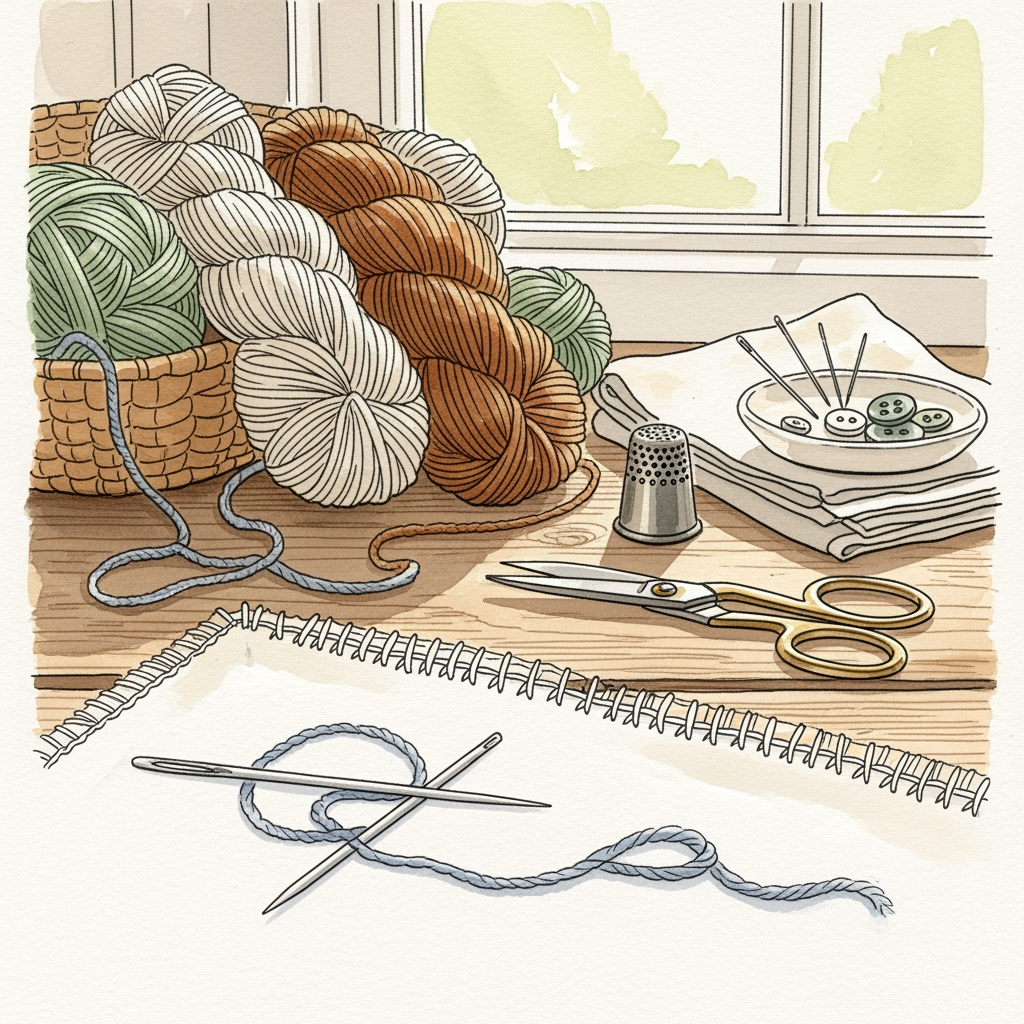
6 Best Steam Irons For Final Garment Pressing Rated
Achieve professional results with our guide to the 6 best steam irons. We evaluate performance, steam output, and precision for a flawless garment finish.
Achieving a professional finish on your hand-knits is the final, crucial step that transforms a pile of yarn into a polished garment. While many knitters focus exclusively on needle choice and yarn quality, the right steam iron acts as the silent partner in your creative process. Whether you are smoothing out a stockinette sweater or opening up the delicate yarn-overs of a lace shawl, the tool you choose dictates the final drape and silhouette. Here are the top six irons that I trust to handle the unique demands of fiber arts.
Rowenta Focus Excel: Best Overall Steam Iron


The Rowenta Focus Excel is a workhorse that earns its place in the studio through sheer consistency. It delivers a high-pressure burst of steam that penetrates even the densest wool, which is essential when you need to relax tight, uneven stitches after a long project.
Its precision tip is particularly helpful for navigating the tight corners of a set-in sleeve or a complex gusset. Because the steam distribution is so uniform, you don’t have to worry about "hot spots" that might accidentally felt or over-stretch a specific section of your fabric.
The primary tradeoff here is weight; it is a substantial tool. If you have wrist fatigue from long hours of knitting, you might find the heft a bit much, but that weight is exactly what helps the iron glide without requiring extra pressure from your hands.
Oliso Pro Smart Iron: Best for Precision Work

The Oliso Pro is a marvel of engineering, featuring "iTouch" technology that lifts the iron automatically when you let go of the handle. For a knitter, this is a game-changer because it prevents the accidental scorching that happens when you get distracted by a pattern chart or a dropped stitch.
Its unique design is perfect for those who do a lot of blocking on a table-top board. You spend less time lifting and setting the iron down, which keeps your rhythm steady and your focus entirely on the garment’s dimensions.
However, the technology does come at a higher price point. If you are a casual knitter who only blocks once or twice a year, this might be overkill, but for the dedicated garment maker, the convenience of not having to constantly stand the iron upright is worth every penny.
CHI Steam Titanium Iron: Best for Even Heat
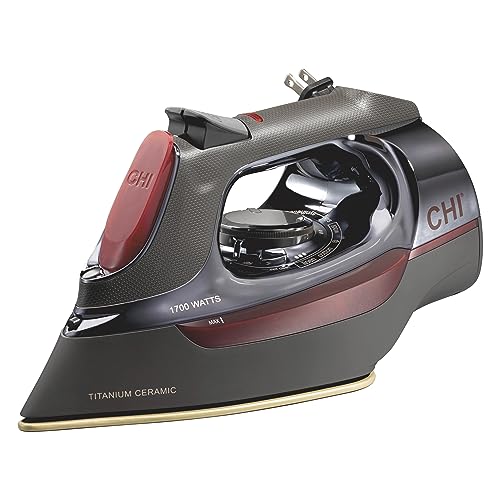
The CHI brand brings their knowledge of professional hair tools to the laundry room, and it shows in the titanium-infused soleplate. This material is incredibly smooth, meaning it won’t snag on a stray mohair fiber or a delicate silk ply.
Even heat is the secret to successful blocking, especially with protein fibers like wool or alpaca that can react unpredictably to temperature spikes. This iron maintains a steady, reliable heat that ensures your blocking wires or pins aren’t fighting against inconsistent steam output.
It is a straightforward, no-nonsense tool that prioritizes performance over fancy digital displays. If you want an iron that simply does the job without any learning curve, this is your best bet.
Black+Decker Digital Iron: Best Value Choice

If you are a student knitter or someone on a budget, the Black+Decker Digital Iron proves that you don’t need to spend a fortune to get a great finish. It offers a clear, easy-to-read digital display that takes the guesswork out of temperature settings.
The steam output is surprisingly robust for an entry-level model, making it perfectly capable of handling standard worsted-weight wools. It’s light, maneuverable, and gets the job done without any complicated bells and whistles.
The only downside is that the plastic construction feels less durable than the premium models. Treat it with care, and it will serve you well for years, but don’t expect it to withstand the heavy-duty, daily use of a professional studio.
Sunbeam Steammaster: Best for Large Projects
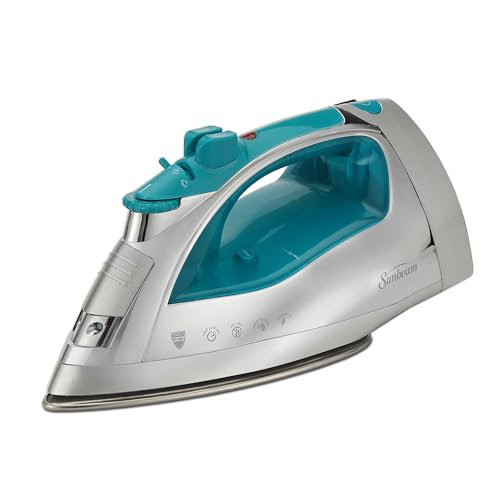
When you are blocking a massive, circular-yoke sweater or a heavy afghan, you need an iron with a large water reservoir and a long cord. The Sunbeam Steammaster is designed for exactly these kinds of high-volume tasks.
Its wide soleplate covers more ground, which is essential when you have a large piece of fabric pinned out on your blocking mats. You can work through the entire garment quickly, which prevents the steam from cooling down too much between passes.
It is not the most precise tool for tiny, intricate work, but for the heavy lifting of sweater-making, it is indispensable. It’s the tool I reach for when I’m finishing a large, multi-skein project that requires a lot of consistent steam.
Panasonic Cordless Iron: Best for Portability
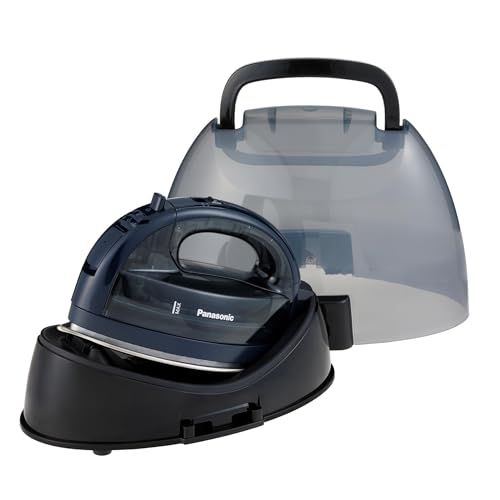
The Panasonic Cordless Iron is a dream for knitters who block their projects in different parts of the house. Without a cord tethering you to a wall outlet, you have total freedom to move around your blocking table without worrying about snagging your yarn on the wire.
The charging base is compact, and the iron heats up quickly, making it ideal for quick touch-ups before a photo shoot or a gift-giving deadline. It feels incredibly balanced in the hand, which is a relief if you are already tired from a long day of casting off.
The tradeoff is the battery life; it needs to be returned to its base frequently to maintain peak steam temperature. It’s not the best choice for a marathon blocking session, but for convenience and ease of movement, it is unmatched.
Why Steam Blocking Matters for Your Knitting
Steam blocking is the bridge between a "homemade" look and a "hand-knit" masterpiece. It allows you to gently relax the fibers, evening out your tension and ensuring that your stitches sit perfectly flat.
Think of it as the final stage of your gauge; you aren’t just shaping the piece, you are allowing the fibers to bloom and settle into their final, permanent state. This is especially vital for superwash wools, which often grow or change shape significantly once they hit steam.
Don’t be afraid of the steam, but do be respectful of the fiber. The goal is to encourage the yarn to relax, not to force it into a shape it doesn’t want to take.
How to Safely Steam Different Fiber Blends
Not all fibers behave the same way under heat, and knowing your yarn composition is the first rule of safety. Always check your yarn label for fiber content before you bring the iron anywhere near your work.
- Wool: Tolerates high steam and heat well; great for aggressive shaping.
- Alpaca/Mohair: Use caution; these fibers are hollow and can flatten or lose their "halo" if pressed too hard.
- Plant fibers (Cotton/Linen): These are sturdy but can be stubborn; they often require more steam to set a shape.
- Synthetics (Acrylic/Nylon): Use extreme caution; these fibers can melt or "kill" (lose their elasticity forever) if the iron is too hot.
If you are ever in doubt, perform a test on your gauge swatch first. A few minutes spent testing the steam on a swatch can save you from a disaster on a finished garment.
Essential Tips for Pressing Delicate Lace
When blocking lace, your iron should rarely actually touch the fabric. Instead, use the steam burst function to hover the iron an inch or two above the yarn, allowing the moisture to do the work.
Use a pressing cloth—a simple piece of cotton or muslin—between the iron and the lace if you must make contact. This acts as a barrier, protecting the delicate structure of your yarn-overs from direct heat damage.
Remember that lace is meant to be airy; if you press it too flat, you lose the beautiful, three-dimensional quality of the stitch pattern. Let the steam open the lace, then use your pins or wires to hold the shape while it cools and dries.
Maintaining Your Iron for Fiber Arts Safety
A dirty iron is a danger to your hard work. Mineral buildup from tap water can spit onto your fabric, leaving unsightly spots that are difficult to remove from delicate fibers.
Always use distilled water to prevent scale buildup inside the steam chambers. If you notice the steam output slowing down or the soleplate looking dull, give it a thorough cleaning according to the manufacturer’s instructions.
Finally, keep the soleplate clean of any sticky residue. Even a tiny bit of melted synthetic fiber can ruin your next project, so wipe the plate down with a damp cloth after every use once it has cooled.
Choosing the right steam iron is an investment in the longevity and beauty of your hand-knit wardrobe. By understanding the specific needs of your yarn and the nuances of your project, you can select a tool that makes the final finishing process a joy rather than a chore. Remember that your iron is there to enhance your work, so take your time, test your swatches, and enjoy the transformation of your stitches. With the right care and the right equipment, your hand-knits will look professional for years to come.
