6 Best Reed Hooks For Fast Threading To Try
Struggling with reed threading? Discover the 6 best reed hooks designed for speed and precision. Improve your weaving efficiency with these top-rated tools.
Sleying the reed is often the most tedious part of setting up a loom, turning a beautiful warp into a functional fabric. A high-quality reed hook acts as an extension of your hand, turning a repetitive chore into a rhythmic, efficient process. Choosing the right tool can save you hours of frustration and prevent the dreaded snagged warp thread. Whether you are working with fine silk or sturdy wool, the right hook makes all the difference.
Leclerc Steel Reed Hook: The Industry Standard


The Leclerc Steel Reed Hook is a staple in weaving studios for a reason: it is virtually indestructible. Its slim, flattened profile allows it to slide through even the most densely dented reeds without resistance.
For those working with high-density reeds, this tool is a lifesaver. Because it is made of solid steel, it won’t bend or snap when you encounter a tight spot in your warp, a common issue when working with sticky fibers like linen or singles yarn.
However, the lack of a specialized handle means it can be hard on the hands during long warping sessions. If you have arthritis or grip issues, you might find the thin shaft requires too much pressure to hold securely.
Schacht Spindle Company Plastic Reed Hook
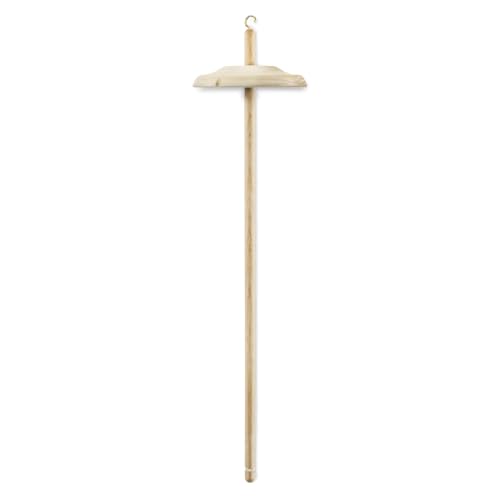
Schacht’s plastic reed hook is a favorite for beginners because it is incredibly lightweight and gentle on delicate warp threads. The smooth, molded plastic tip is less likely to catch or fray fragile fibers like mohair or cashmere.
The ergonomic, flattened handle provides a much better grip than a simple wire hook. It sits comfortably in the palm, reducing the "death grip" that often leads to hand fatigue when you have hundreds of ends to pull through.
Keep in mind that plastic has its limits. If you try to force it through a very narrow reed or use it to pull a thick, multi-ply wool yarn through a tight dent, the hook can eventually bend or lose its shape.
Ashford Traditional Metal Reed Hook

The Ashford metal hook is a classic design that balances durability with a user-friendly shape. It features a sturdy steel hook paired with a simple, functional wooden handle that feels natural in the hand.
The wooden handle provides a bit of warmth and texture, which is a welcome change from the cold, slippery feel of all-metal tools. It’s an excellent middle-ground option for weavers who want the strength of steel but the comfort of a grip-friendly design.
It is particularly effective for weavers who switch between different projects frequently. Whether you are threading a heavy rug warp or a delicate cotton towel warp, this tool handles the transition with ease.
Glimakra Ergonomic Grip Reed Hook
Glimakra is known for high-end, thoughtful loom engineering, and their reed hook follows suit with a focus on long-term comfort. The handle is designed to fit the natural curve of your hand, minimizing the strain that builds up over hours of sleying.
This tool is a game-changer if you are working on a large project with a high thread count. When you are sleying a 12-dent reed for a long warp, even a small improvement in ergonomics makes a massive difference in your physical comfort.
The trade-off is the price point and the size; it is bulkier than a basic wire hook. If your loom has limited space or you prefer a compact tool kit, this might feel a bit large for your needs.
Louet Flat Steel Reed Hook for Fine Reeds
When you move into fine-gauge weaving, standard hooks often become too thick to pass through the reed dents. The Louet Flat Steel hook is specifically engineered for these high-density, fine-thread scenarios.
Its ultra-thin profile is perfect for working with lace-weight yarns or fine silk. It slips into tight spaces with minimal effort, ensuring that you don’t damage your reed or your warp threads during the threading process.
Be aware that because it is so thin, it requires a steady hand. If you are prone to aggressive movements, you run the risk of bending the tip, so treat it with the same care you would use for your finest lace knitting needles.
Harrisville Designs Classic Reed Hook

Harrisville Designs produces tools that feel like they belong in a well-loved, traditional weaving studio. Their classic reed hook is simple, reliable, and built to last for decades of consistent use.
It is a fantastic "workhorse" tool for everyday projects. It doesn’t have the bells and whistles of ergonomic plastics or specialty coatings, but it performs the basic task of hooking and pulling with absolute consistency.
If you appreciate a tool that improves with age and doesn’t rely on complex parts, this is your best bet. It is the kind of reliable companion that you will find yourself reaching for project after project.
Understanding Reed Hook Gauge and Sizing Needs
The "gauge" of your reed hook refers to the thickness of the metal or plastic tip. Just as you wouldn’t use a size 8mm knitting needle for a fingering-weight sock, you cannot use a thick reed hook for a fine reed.

If your hook is too thick for the reed, you will struggle to pull the thread through, which often leads to frayed yarn and increased tension. Always check the dent size of your reed before selecting your hook.
A good rule of thumb is to have at least two hooks in your kit: one thin, flat option for fine work, and one slightly sturdier option for heavier, more robust warp yarns.
Choosing Between Metal and Plastic Reed Hooks
Metal hooks are the gold standard for durability and longevity. They are essential when working with "sticky" fibers like linen or hemp, which can put significant tension on your hook as you pull them through the reed.
Plastic hooks, conversely, are much kinder to delicate fibers. If you are working with soft, high-twist wool or silk, the smooth plastic ensures that you won’t accidentally snag a fiber and compromise the integrity of your warp.
Ultimately, your choice depends on your project’s material. If you work primarily with coarse, sturdy fibers, invest in steel; if you prefer luxury fibers, keep a plastic hook on hand to prevent damage.
Proper Maintenance for Your Weaving Tool Kit
Even the best reed hooks can develop burrs or rough spots over time. A small, microscopic snag on your hook can turn a smooth sleying session into a nightmare of broken threads.
Periodically run your hook over a piece of fine-grit sandpaper or a polishing cloth to ensure the tip remains smooth. If you notice your hook catching on the yarn, stop immediately and inspect the tip for damage.

Keep your hooks stored in a dedicated pouch or container. Leaving them loose in a basket with your scissors and shuttles is a recipe for bent tips and unnecessary wear.
Ergonomic Tips to Prevent Hand Strain While Sleying
Sleying is a repetitive motion that can easily lead to wrist and finger fatigue. Try to maintain a neutral wrist position and avoid gripping the hook too tightly; let the tool do the work for you.
Take frequent breaks to stretch your hands and fingers, especially if you are working on a wide warp. Think of it like knitting a long-distance project; pacing yourself is key to avoiding repetitive strain injuries.
If you find yourself struggling, check your posture. Sitting at the correct height relative to your reed can significantly reduce the amount of awkward reaching and twisting required to thread your warp.
Finding the right reed hook is a personal process that balances your physical comfort with the requirements of your specific yarn and reed. By understanding the material properties and ergonomic needs of your workspace, you can turn a tedious task into a smooth, meditative part of your weaving practice. Remember that the best tool is the one that allows you to work accurately without causing you pain. Happy weaving, and may your warp threads always glide through the reed with ease.