
6 Best Fiber Preparation Trays for Organized Blending
Optimize your fiber blending with these 6 top-rated trays. Learn how to maintain organization, improve consistency, and streamline your creative workflow today.
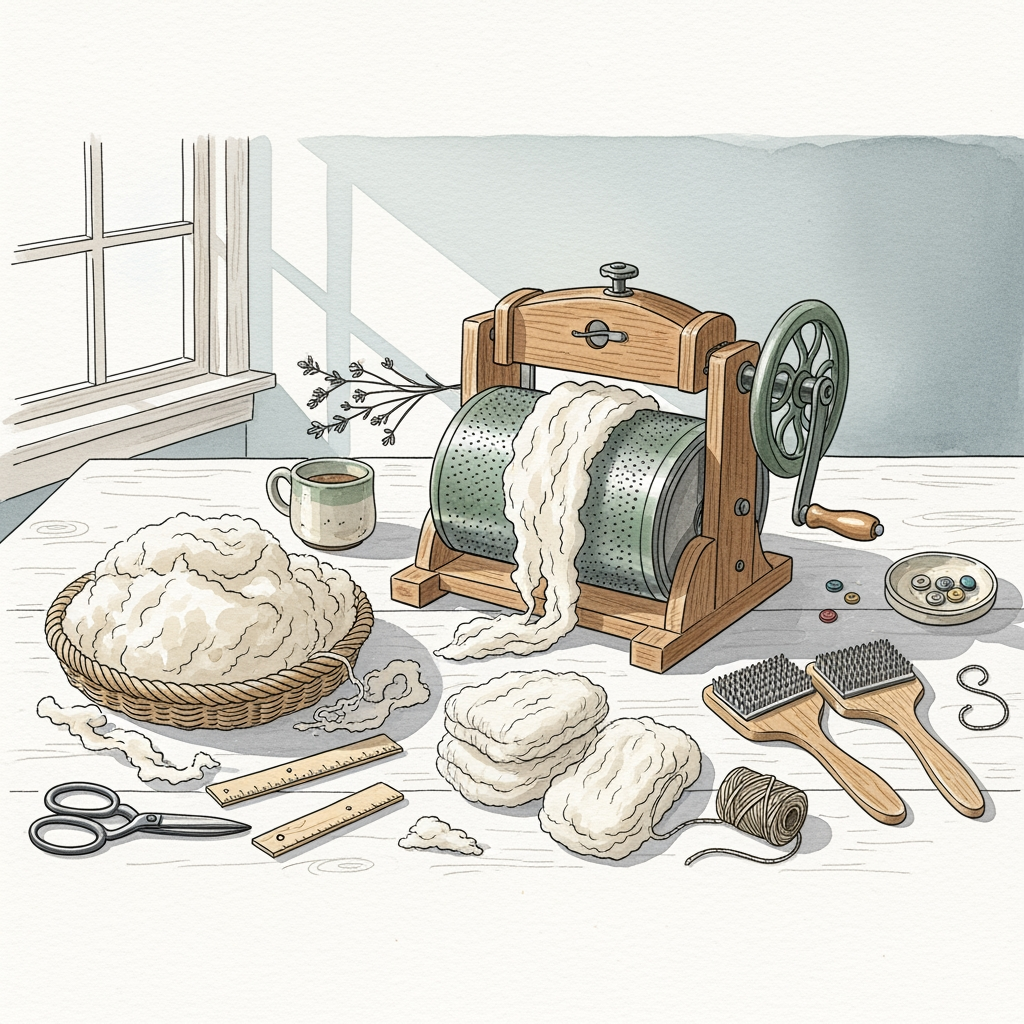
Organizing your fiber prep area is the secret to moving from simple spinning to creating custom, artisanal yarns. A dedicated tray keeps your rolags, batts, and flicked locks contained, preventing that inevitable "fiber drift" across your living room. By choosing the right surface, you turn a chaotic pile of wool into a streamlined, professional workflow. Let’s look at the best tools to keep your spinning sessions productive and your workspace pristine.
Ashford Fiber Preparation Tray: Best for Blending
The Ashford tray is a workhorse that understands the reality of a busy fiber studio. Its generous surface area allows you to lay out multiple colorways or fiber types without them encroaching on each other’s territory.
This tray is particularly effective for those who enjoy creating gradient batts or complex blends. When you are layering different staple lengths, the stability of this tray ensures your fiber doesn’t slide off onto the floor during the drafting process.
The bottom line: It is a no-nonsense, durable tool designed for makers who prioritize function over flash. If you are blending large volumes of wool for a sweater project, this is your reliable partner.
Strauch Fiber Processing Tray: The Pro Choice
If you are serious about production spinning, the Strauch tray offers a level of precision that hobbyist tools often lack. It is engineered with a specific height and edge profile that makes it easy to sweep fiber off the surface without it getting snagged.
Many spinners find that the weight of this tray is its greatest asset. It stays put on your table, allowing you to use both hands for pulling apart locks or teasing out neps without the tray shifting under your pressure.
Choose this if you are a high-volume spinner who values ergonomic design. It is an investment, but for those who spend hours at the wheel, the comfort and efficiency gains are well worth the price.
Woolery Handcarding Tray: Best Value Selection
The Woolery tray excels by keeping things simple and affordable. It provides a clean, neutral surface that makes it easy to see the color and texture of your fiber, which is vital when you are trying to match a specific shade for a colorwork project.
While it lacks the bells and whistles of high-end stations, it does exactly what it needs to do: it keeps your workspace organized. It is the perfect choice for a beginner who is just starting to experiment with blending but isn’t ready to invest in a full studio setup.
Ultimately, this tray proves that you don’t need to break the bank to get organized. It is a solid, practical choice that leaves more room in your budget for high-quality fiber.
Majacraft Fiber Prep Station: Top Premium Pick
Majacraft is known for exquisite craftsmanship, and their prep station is no exception. It feels more like a piece of fine furniture than a simple tool, designed to integrate seamlessly into a dedicated spinning nook.
This station is ideal for the spinner who wants to keep their tools, flickers, and combs organized alongside their fiber. The dedicated slots and compartments mean you aren’t digging through a basket for your blending hook while your fiber is already laid out.
Think of this as the "dream setup" for the dedicated fiber artist. If you value aesthetics as much as performance, this is the gold standard for your studio.
Kromski Blending Board Tray: Best for Small Batches
The Kromski tray is designed with the smaller-scale blender in mind. It is compact, making it a dream for those who spin in a shared space or need to pack their supplies away at the end of the day.
This tray is specifically useful when you are working on "art yarn" projects where you might be adding small inclusions like silk scraps, Angelina, or locks of mohair. Because the tray is smaller, your ingredients stay within reach, preventing you from over-stretching while blending.
If your spinning style involves frequent, small-batch experiments, this is your best friend. It is portable, efficient, and perfectly sized for focused, detail-oriented work.
Schacht Spindle Tray: Best for Fiber Sorting


Schacht’s approach to the tray is all about the sorting process. If you are a fan of hand-spindles, you know that keeping your fiber supply organized is the only way to maintain a consistent WPI (wraps per inch) while spinning.
This tray is excellent for separating different staples of wool before you even start the blending process. It allows you to sort by color, crimp, or fiber type, ensuring that your final yarn has the exact structure you intended.
It is a specialized tool that excels at the "pre-prep" phase. Use this if you are a fan of breed-specific spinning and need to keep your raw or washed locks perfectly sorted before they hit the cards.
Essential Features for Fiber Blending Trays
When shopping for a tray, look for a surface that provides just enough "tooth" to keep fiber from sliding, but not so much that it clings and pulls. The edges should be rounded or beveled to prevent the fiber from catching or tearing.
- Non-slip base: Prevents the tray from sliding during intense carding.
- Neutral color: A grey or off-white surface helps you see fiber color clearly.
- Portability: Consider if you need to move your station between rooms.
- Depth: A slight lip keeps your fiber from wandering off the edge.
Don’t be fooled by overly decorative trays; a smooth, clean surface is always better for fiber health. You want a tool that facilitates the work, not one that adds extra steps to your cleaning process.
How to Organize Your Fiber Stash for Spinning
Organization starts with classification. Group your fiber by project or by fiber type—merino with merino, longwools with longwools. This prevents cross-contamination, which is a nightmare when you are trying to spin a consistent, high-twist yarn.
Use your tray as a staging area for the current project. Once you have selected your fibers, weigh them out and place them on the tray in the order you plan to blend them. This keeps your mind focused on the project at hand rather than the chaos of the stash.
Remember that fiber is organic and can be affected by humidity. Keep your organized trays in a climate-controlled area to ensure your wool stays at its best for when you are ready to spin.
Maintaining Your Wool Prep Tools for Longevity
Fiber prep tools are an investment, and they require minimal but essential maintenance. After every session, use a soft brush to remove any residual "fluff" or vegetable matter from the tray surface to prevent buildup.
Avoid using harsh chemicals or abrasive cleaners on your trays. If you have a wooden tray, a light application of food-grade mineral oil once a year will keep the wood from drying out and splintering, which could otherwise snag your delicate fibers.
Treat your tools with the same care you give your favorite knitting needles. When your tools are well-maintained, your fiber behaves better, and your spinning becomes significantly more enjoyable.
Why Tray Surface Texture Matters for Blending
The texture of your tray is the silent partner in your blending process. A surface that is too slick will cause your fiber to skate around, making it impossible to create an even batt.
Conversely, a surface that is too rough or "grippy" will pull at the fibers, causing them to break or felt prematurely. You want a surface that holds the fiber in place while allowing you to lift it easily with your cards or your fingers.
Always test your tray with a small handful of fiber before you commit to a large blend. If you find the fiber is sticking, a light wipe with a static-reducing cloth can often solve the problem without damaging the surface.
Investing in a quality fiber preparation tray is a transformative step for any spinner looking to elevate their craft. By creating a dedicated space for your wool, you reduce frustration and increase the consistency of your finished yarns. Whether you choose a high-end station or a simple, functional tray, the key is to build a workspace that encourages your creativity. Happy spinning, and may your batts always be smooth and your drafts effortless.
