7 Best Cotton Weaving Threads For Durable Cords
Discover the top 7 cotton threads for crafting long-lasting cords. This guide evaluates strength, texture, and durability to help you choose the best material.
Choosing the right cotton thread for cord-making is the difference between a project that holds its shape for years and one that sags after a single season. As a fiber artist, I’ve seen beautiful intricate work ruined by choosing a yarn with too much stretch or insufficient twist. This guide breaks down the best cotton options to ensure your cords are as durable as they are aesthetically pleasing. Whether you are weaving, macramé-ing, or braiding, the integrity of your fiber is your foundation.
DMC Pearl Cotton: Best Overall for Fine Weaving


When you need a thread that offers a consistent, lustrous finish and high twist, DMC Pearl Cotton is the gold standard. It is mercerized, which means the fibers have been treated to increase their strength and dye affinity, resulting in a thread that resists pilling and fraying.
Because of its tight, cable-like construction, it holds crisp detail in intricate weaves or decorative cords. If you are working on a piece where the cord itself is the focal point, the slight sheen of this cotton adds a professional, polished look that matte yarns simply cannot replicate.
However, keep in mind that its rigidity comes with a trade-off: it is less forgiving than softer cottons. If you are a beginner, practice your tension control on a scrap piece first, as the lack of "give" in the fiber will show every uneven pull in your work.
Maysville 8/4 Cotton Warp: Best for Rug Weaving

Maysville 8/4 is a workhorse in the weaving world, specifically designed to handle the high tension required for warp threads. It is sturdy, reliable, and possesses a matte finish that blends seamlessly into the structure of rugs or heavy-duty hanging cords.
The "8/4" notation indicates that four strands of 8-weight yarn have been plied together, creating a balanced, non-stretchy cord. This makes it an excellent choice for projects that need to maintain their dimensions under weight, such as plant hangers or woven wall tapestries.
The only downside is that it lacks the softness of premium weaving yarns, which can be tough on your hands during long sessions. I recommend wearing a light cotton glove or using a bit of hand cream if you find the texture too abrasive for your skin.
Peaches & Crème 4-Ply: Best Budget Cotton Option
Peaches & Crème is a staple in most craft rooms, and for good reason—it is incredibly accessible and comes in a massive range of colors. While it is technically a worsted-weight yarn, the 4-ply construction makes it surprisingly effective for thick, casual cords.

This is the perfect choice for those who are just starting to experiment with cord-making and don’t want to invest heavily in expensive materials. It is soft, easy to handle, and creates a substantial cord that works well for items like market bags or simple braided belts.
Be aware that because it is not mercerized, it has a tendency to fuzz or "bloom" over time with heavy friction. It is best used for decorative items rather than load-bearing structures that will see significant daily wear and tear.
Schacht Spindle Company Cotton: Best for Strength

Schacht is a brand synonymous with high-end weaving equipment, and their cotton reflects that commitment to structural integrity. It is exceptionally uniform, meaning you won’t encounter random thick or thin spots that can weaken a cord.
For projects where safety or long-term durability is a priority, this is the thread I reach for. It has a high tensile strength that allows you to pull the cord tight during assembly without the constant fear of a snap or a break.
The tradeoff here is the price point and the specialized nature of the product. It is an investment, so reserve this thread for heirloom-quality pieces that you intend to keep or display for many years.
Gist Yarn Beam Cotton: Best for Warp Durability
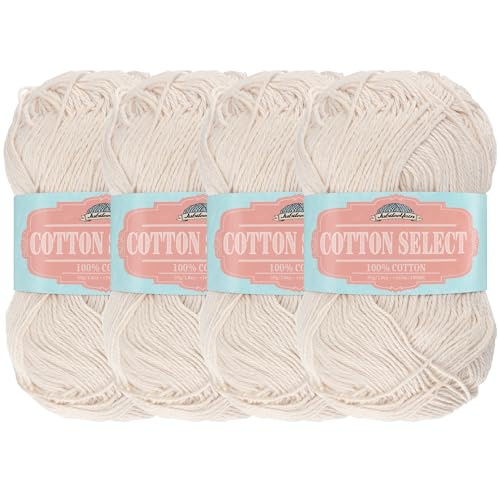
Gist Yarn’s Beam is engineered specifically for the rigors of the loom, but it translates beautifully to cord-making. It is incredibly smooth, which reduces friction as you pass the thread through your hands or around structural elements.
The tight twist of the fiber prevents the cord from unraveling when cut, which is a common frustration with cheaper, loosely spun cottons. If you are making cords that require knots, you will find that the knots hold their shape remarkably well without slipping.
Because it is designed for warp, it is extremely low-stretch. If you are looking to create a cord that will not sag over time, this is one of the most reliable options on the market.
Maurice Brassard 8/8 Cotton: Best for Soft Cords
If you want the strength of a high-quality thread but need a finished cord that feels soft to the touch, Maurice Brassard 8/8 is your best bet. It is a slightly thicker, more pliable thread that feels luxurious in the hand.
This is ideal for cords that will be in direct contact with skin, such as drawstrings for garments or decorative ties for pillows. It has a beautiful matte finish that looks sophisticated rather than utilitarian.
Because it is softer, it does have a bit more "loft" than a tightly mercerized thread. Ensure you are using a consistent tension throughout your project to avoid creating lumps or uneven spots in the texture.
Venne Organic Cotton: Best for Eco-Conscious Work
Venne offers a high-quality, organic option that doesn’t sacrifice performance for sustainability. It is a fine, strong thread that is perfect for delicate, intricate cord work where you need a high level of precision.
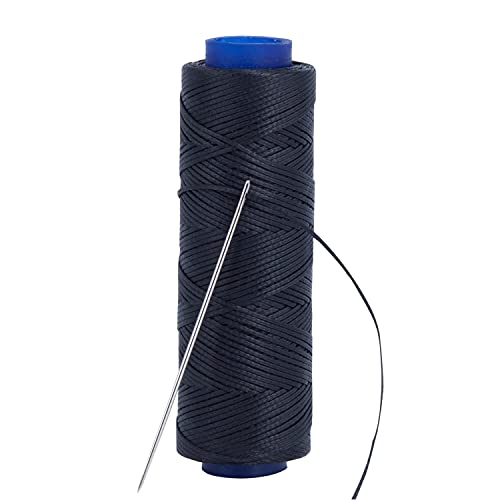
The ethical sourcing of the fiber is a major draw, but the technical performance is what keeps me coming back to it. It has a very consistent diameter, which makes it a dream for projects involving complex braiding patterns.
While it is a premium product, the quality is evident in the final result. If your project is a gift or a piece intended for a gallery setting, the quality of Venne cotton will elevate the entire aesthetic of the work.
Understanding Cotton Ply for Maximum Cord Strength
Understanding the "ply" of your cotton is essential for determining how your cord will behave under stress. A higher ply count generally indicates a thicker, more rounded cord, while a lower ply count can result in a flatter, more ribbon-like appearance.
- 2-Ply: Best for delicate, fine-gauge cords or sewing.
- 4-Ply: The industry standard for balanced strength and flexibility.
- 8-Ply: Ideal for heavy-duty, thick cords that require high durability.
Always check the twist direction as well. A "Z-twist" or "S-twist" impacts how the cord interacts with your knots; matching the twist to your knotting technique can prevent the cord from untwisting as you work.
How to Properly Calculate Your Warp Yarn Tension
Tension is the secret to a professional-looking cord, but it is often the most misunderstood aspect of fiber arts. If your tension is too loose, your cord will look sloppy and lose its shape; too tight, and you risk snapping the fiber.
I suggest using a simple tension gauge or a weight-based system if you are working on a loom or a stationary setup. Always test your tension with a small sample swatch before committing to the full length of your cord.
Remember that humidity and temperature can actually affect the length and tension of cotton fibers. If you are working in a very dry or very humid environment, allow your yarn to "rest" at room temperature for a few hours before you begin your project.
Essential Tips for Preventing Cotton Cord Breakage
The most common cause of breakage is hidden abrasion, often caused by rough tools or uneven knotting. If you are using a tool to tighten your cords, ensure the surface is smooth and free of burrs that could snag the delicate cotton fibers.
Avoid "jerking" the yarn when you are tightening a knot. Instead, use a slow, steady pull to distribute the tension evenly across all the plies of the thread. This preserves the structural integrity of the twist.
Finally, always store your cotton thread away from direct sunlight and moisture. Over time, UV light can degrade natural fibers, making them brittle and prone to snapping long before you even have a chance to use them.
Selecting the right cotton thread is a fundamental skill that transforms your fiber arts from a hobby into a craft. By paying attention to the ply, the twist, and the specific intended use of your cotton, you can ensure your cords remain strong and beautiful for a lifetime. Remember that every material has its own personality, so do not be afraid to experiment with different brands until you find the one that fits your hands and your project perfectly. Happy crafting, and may your tension always be consistent.