6 Best Project Bags For Travel To Organize Gear
Discover the 6 best travel project bags to keep your gear organized. We review durable, portable options that ensure your supplies stay secure on the move.
Traveling with a knitting project is a delicate balance between having everything you need and avoiding the chaos of tangled yarn and lost notions. Whether you are working on a simple garter stitch scarf or a complex cabled sweater, the right bag can turn a stressful transit into a productive craft session. Over my two decades of knitting, I have learned that the best travel bag isn’t just about storage; it’s about accessibility and protection. Here are the top picks to help you keep your gear organized while on the move.
Della Q Maker’s Canvas Backpack: Best Overall


This backpack is the gold standard for knitters who need to keep their hands free while navigating airports or train stations. It features dedicated yarn feeders and pockets specifically designed for circular needles, which prevents the dreaded "yarn barf" when your ball rolls around inside the bag.
The canvas construction is rugged enough to withstand years of travel, yet it maintains a stylish aesthetic that doesn’t scream "craft supply." I particularly appreciate how the interior layout keeps your project bag upright, preventing your yarn from tangling with your water bottle or snacks.
If you are a process knitter who likes to work on multiple projects simultaneously, the interior dividers are a godsend. Just remember that because it is a backpack, you must be mindful of how you pack your needles to avoid them poking through the lining.
Cocoknits Maker’s Portfolio: Best for Patterns
If you are the type of knitter who keeps a stack of printed patterns, this portfolio is an essential upgrade. It uses magnetic sheets and clips to hold your charts securely, allowing you to track your progress row by row without needing bulky binders.
The portfolio is slim enough to slide into a standard carry-on, making it ideal for those who prefer to keep their pattern-reading tools separate from their yarn. It is particularly useful for complex lace or stranded colorwork projects where losing your place in the chart could mean hours of tinking back.
While it is excellent for organization, it does not provide much in the way of yarn storage. I recommend pairing this with a small project pouch to ensure your yarn stays clean while you focus on the pattern.
Namaste Laguna Tote: Best for Large Projects

When you are working on a full-sized sweater or a large colorwork blanket, standard project bags simply won’t cut it. The Namaste Laguna Tote offers a cavernous interior that can easily accommodate several skeins of worsted weight wool and a bulky project.
The bag is constructed from a vegan leather that is easy to wipe clean, which is a major benefit if you are traveling through dusty environments. Its wide base means it sits perfectly on the floor next to your seat without tipping over.
Be aware that because it is a large tote, it can become quite heavy if you pack it to the brim. If you have back issues, you might want to consider how much weight you are carrying before loading it with your entire stash for a weekend trip.
Muud Saturn XL Leather Bag: Most Durable Pick
Leather is the ultimate material for longevity, and the Muud Saturn XL is built to last a lifetime of knitting. The structure is incredibly sturdy, which helps keep your yarn from getting crushed under the weight of other luggage.
The leather develops a beautiful patina over time, making it a bag that actually looks better the more you use it. It also features clever interior slots for your needles, keeping them organized and preventing them from snagging on your fiber.
The primary tradeoff here is weight and price. This is a premium investment, and it is significantly heavier than canvas or nylon alternatives, so it may not be the best choice for ultralight travelers.
Thread & Maple Needle Case: Best Accessory Kit
A project is only as good as your tools, and losing a specific needle size mid-flight is a knitter’s nightmare. This needle case is designed with a "page-turning" layout that allows you to see all your needle tips at a glance.
It is compact enough to fit inside almost any travel bag, ensuring your interchangeable tips and fixed circulars are always accounted for. The felt-lined pockets are gentle on your needles, protecting the finish of your favorite wood or metal tips.
This is not a project bag, but rather a crucial organizational companion. I suggest using it to house your most-used needle sizes so you aren’t digging through a messy bag of loose tools when inspiration strikes.
KnitIQ Blocking Mat Bag: Best for Travel Gear

While you might not block your project on the plane, carrying your blocking mats is often a logistical challenge. This bag is designed to hold your interlocking mats and T-pins, keeping them flat and protected from bends or tears.
For those traveling to workshops or retreats, this is an indispensable piece of kit. It ensures that your mats remain in pristine condition, which is vital for achieving a professional finish on your finished garments.
If you are a minimalist, you might find this bag redundant for shorter trips. However, for long-term travel or teaching, the protection it offers for your blocking equipment is unmatched.
How to Choose the Perfect Size for Your Project
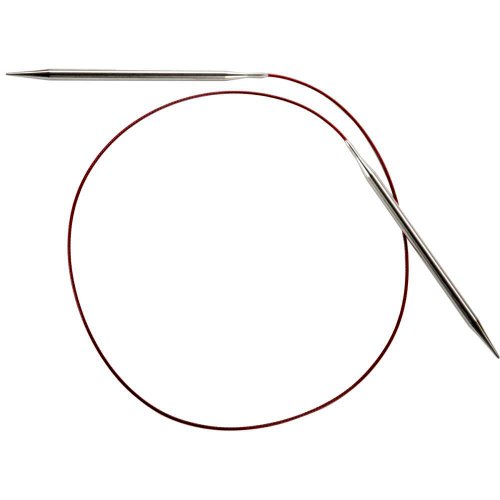
Choosing the right size is all about anticipating the volume of your yarn and the size of your needles. A delicate sock project on 2.25mm needles requires very little space, while a bulky sweater project with 6.00mm needles can easily double in size as you work.
Always account for the "growth" of your project. If you are starting a sweater, your bag should be large enough to hold the finished weight of the garment, not just the initial skeins of yarn.
If you find yourself struggling to zip your bag, you are likely risking damage to your yarn or needles. It is always better to have a slightly larger bag that allows your work to breathe.
Essential Features for Travel Knitting Storage
When selecting a bag, look for features that minimize friction and maximize efficiency. A dedicated yarn guide or hole allows you to knit from the bag without the yarn tangling with your zippers or other items.
Internal pockets are essential for your notions, but keep them separate from your yarn. Nothing is worse than having a stitch marker hook into your delicate mohair or silk blend.
Finally, consider the closure mechanism. A zipper is generally more secure for travel than a drawstring, as it prevents small items like scissors or tapestry needles from slipping out in transit.
Protecting Your Needles and Yarn While Traveling
Your needles are your most vulnerable assets. Always use point protectors, especially when traveling with sharp metal needles, to prevent them from poking through the bag lining.
Yarn, particularly natural fibers like wool or alpaca, can attract lint and debris. Keep your yarn inside a secondary mesh bag or a soft pouch within your main project bag to keep it pristine.
Avoid storing your project in the same compartment as snacks or liquids. A single leak or spill can ruin a project that represents hundreds of hours of work.
Tips for Organizing Notions in Compact Spaces
Use a small, hard-sided tin for your essential notions like stitch markers, a measuring tape, and a tapestry needle. This keeps them from getting lost in the corners of your bag.
If you carry scissors, ensure they are TSA-compliant. Small, blunt-nosed embroidery scissors are usually fine, but always check the current travel regulations for your destination.
Keep a tiny "emergency kit" with a spare cable connector and a few extra markers. These small items are easily misplaced, and having a backup can save your project during a long flight.
Traveling with your knitting requires a thoughtful approach to gear, but the reward is the ability to create beauty wherever you go. By investing in the right storage solutions, you protect your hard work and ensure your tools are ready when you are. Remember that your bag should serve your specific knitting habits, not the other way around. Happy knitting, and may your stitches be even and your yarn tangle-free on your next journey.