6 Best Wooden Needle Point Protectors For Delicate Yarn
Protect your delicate yarn with these six top-rated wooden needle point protectors. Discover durable, snag-free options that keep your knitting projects safe.
Every knitter knows the heart-stopping moment when a stitch slides off a needle, threatening to unravel hours of meticulous lace or complex cable work. Point protectors act as the final line of defense for your precious, delicate fibers, preventing dropped stitches and protecting needle tips from accidental damage. Choosing the right protector is about balancing a secure fit with the need to keep your yarn tension consistent and your needles pristine. This guide explores the best options to ensure your work stays safely on the needles until you are ready to pick them up again.
Clover Soft Needle Point Protectors Review


Clover’s soft protectors are a staple in many knitting bags for a reason: they are incredibly gentle on delicate fibers. Made from a pliable, rubber-like material, they grip the needle tip firmly without the risk of scratching or snagging.
Because these are softer than wood or hard plastic, they provide a bit of "give" when you accidentally bump your project against the sofa or a project bag. They are particularly excellent for fine lace needles, where metal caps might feel too heavy or abrasive.
However, keep in mind that their soft nature means they can occasionally pop off if your project is heavy or if you are constantly jostling your needles. They are best suited for lighter projects or for keeping your stitches secure during short breaks.
Cocoknits Colorful Point Protectors Guide

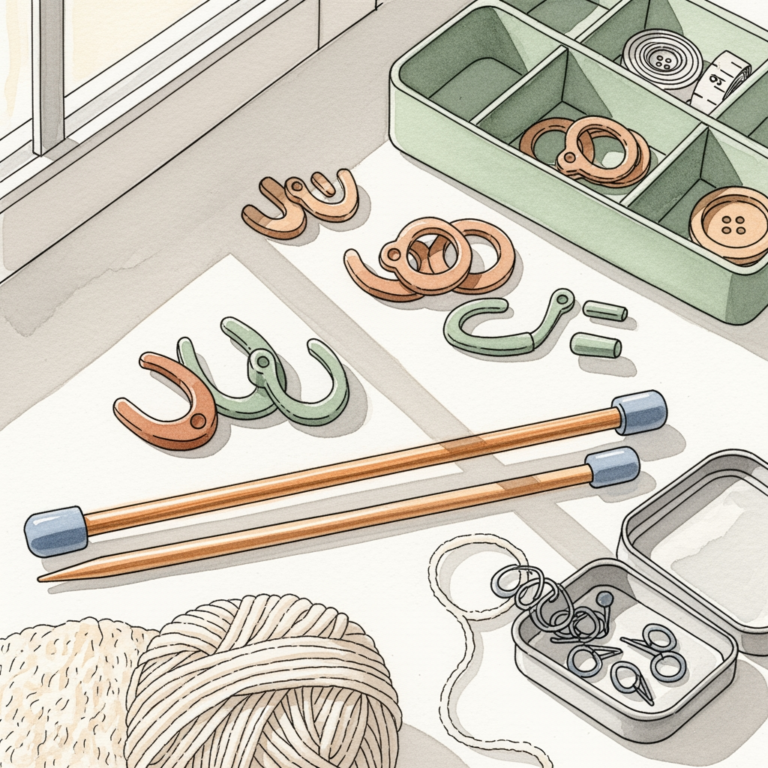
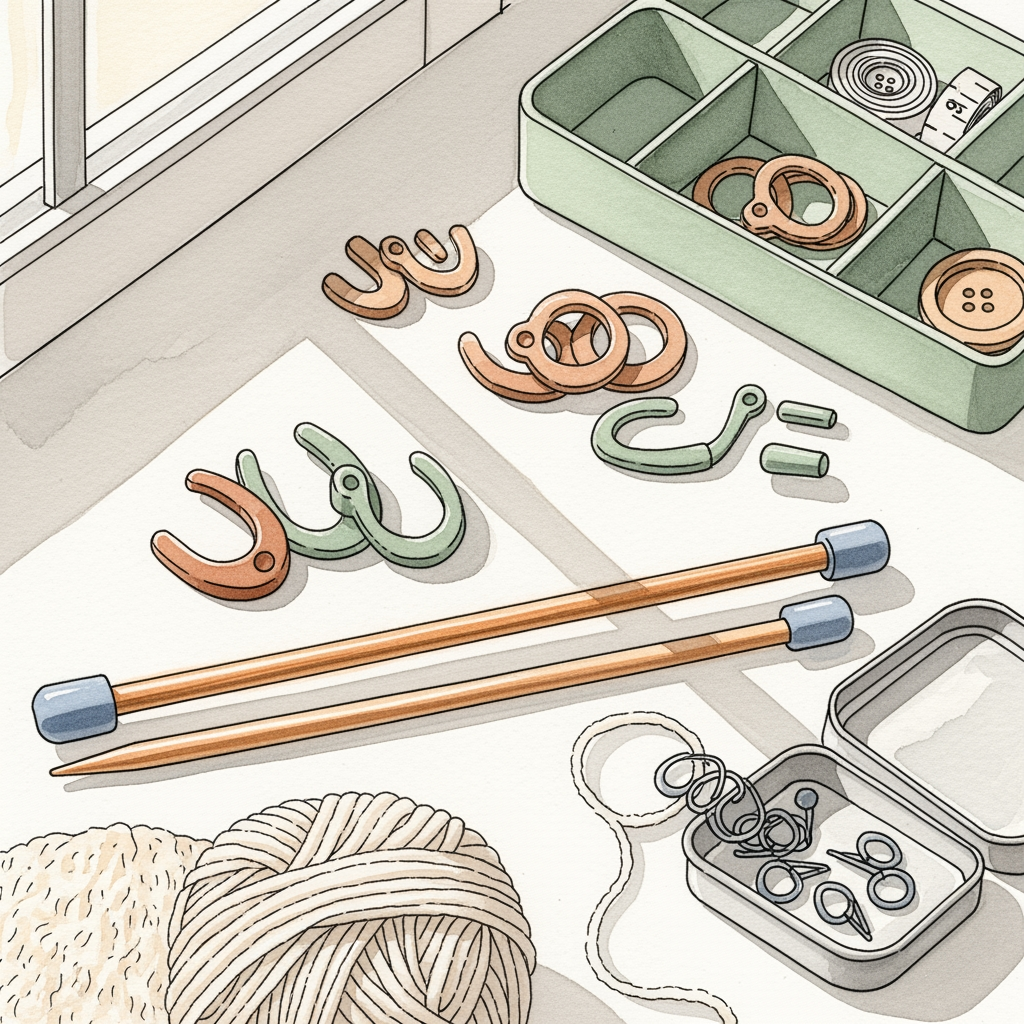
Cocoknits has mastered the art of functional, minimalist design with their colorful point protectors. These are crafted from a soft, silicone-like material that is specifically engineered to stay put on a wide range of needle sizes.
The standout feature here is the internal geometry, which allows the same protector to accommodate several different needle diameters. This is a huge advantage if you frequently switch between projects and don’t want to hunt for a matching set of caps.
The muted, earthy color palette is a nice touch for those of us who prefer a calm aesthetic in our craft room. They are firm enough to stay on securely but soft enough that they won’t deform your wooden needle tips over time.
KnitPicks Wooden Needle Point Caps Review

If you are a purist who loves the feel of wood, these matching caps are a natural extension of your tool kit. They offer a seamless aesthetic, making your project look finished even when it’s sitting on your coffee table.
Because they are made of wood, they provide a very secure "friction fit" that is less likely to slip off than some rubber alternatives. They are ideal for slicker, polished wooden needles where you need a little extra grip to keep the protector in place.
Be aware that these are rigid; they don’t have the flexibility of silicone. If you force a cap onto a needle that is slightly too large, you risk splitting the wood of the protector or, worse, damaging the tip of your needle.
Lykke Driftwood Needle Point Stoppers

Lykke’s stoppers are designed to pair perfectly with their popular Driftwood line, offering a sophisticated, cohesive look. They feature a smooth, polished finish that matches the needles, ensuring no snags on delicate fibers like silk or alpaca.
These are particularly useful for knitters who use circular needles and want to keep their stitches centered while the project is in a bag. They are robust and feel substantial in the hand, which helps if you have any dexterity issues.
The main tradeoff is that they are designed specifically for the Lykke needle profile. While they may fit other brands, they are optimized for their own products, so verify your needle dimensions before committing.
ChiaoGoo Silicone Needle Point Protectors
ChiaoGoo is well-known for their precision engineering, and their silicone protectors are no exception. These are incredibly durable and resistant to the wear and tear that comes with frequent knitting sessions.
The silicone material is grippy, which is a massive benefit if you are working with slippery materials like bamboo or polished metal. They hold on tight, providing peace of mind when you toss your knitting into a project bag.
One thing to note is that they can attract a bit of lint or dust due to the nature of silicone. A quick rinse with water and a bit of dish soap will restore their grip and keep them looking like new.
Pony Knitting Needle Point Protectors

Pony offers a classic, reliable solution that has been around for decades. These protectors are generally lightweight and come in a variety of shapes, making them easy to identify in the bottom of a crowded notions pouch.
They are an excellent budget-friendly choice for beginners who are just starting to build their collection. They do the job effectively without any unnecessary bells or whistles, keeping your stitches exactly where they belong.
While they are highly functional, they are typically made of a harder plastic than the premium silicone options. I recommend them for sturdier, hard-wearing yarns like wool blends rather than ultra-delicate, fuzzy mohair or angora.
Why Point Protectors Save Delicate Yarns
Delicate yarns, especially those with a halo like mohair or a high silk content, are prone to snagging on the sharp points of your needles. When left unprotected, these tips can act like tiny hooks, pulling at the fibers and creating unwanted fuzz or broken strands.
Point protectors effectively "blunt" the needle, creating a smooth transition that prevents the yarn from catching when the project is stored. This is essential for maintaining the integrity of your yarn’s twist and preventing the "fuzzing" that ruins the look of a finished garment.
Beyond the yarn, they protect the needle tips themselves from burrs or scratches. A single nick on a wooden needle can snag your yarn for the rest of its life, so keeping the tips covered is an investment in your tools.
Choosing the Right Size for Your Needles
Never force a point protector onto a needle that is too small, as it will simply fall off and leave your stitches vulnerable. Conversely, forcing a small protector onto a large needle can stretch the material, ruining the cap and potentially damaging the needle tip.
Most manufacturers provide a range of sizes, often color-coded, to make selection easier. If you are between sizes, always opt for the slightly tighter fit to ensure the protector stays in place during transit.
When in doubt, check the millimeter measurement of your needle rather than relying on the US or UK size labels. Knitting needles can vary slightly by brand, and a precise measurement ensures a snug, safe fit.
How to Prevent Stretched Stitches Properly
A common mistake is pushing the point protector too far down the needle, which forces the stitches to stretch over the taper of the tip. This can lead to distorted stitches at the edge of your work, which are difficult to block out later.
Instead, slide the protector just far enough to cover the tip and secure the last few stitches. You want the stitches to rest comfortably on the shaft of the needle, not to be jammed against the cap.
If your project is heavy, consider using a longer needle or a circular cable to distribute the weight. This prevents the point protectors from taking the full strain of the project’s weight, which is the primary cause of stitches sliding off.
Maintaining Your Wooden Knitting Needles
Wooden needles are porous and can dry out or become rough over time, especially if you live in a dry climate. Using point protectors helps, but it is also important to occasionally condition your needles with a light application of wood wax or mineral oil.
When you remove your point protectors, take a moment to inspect the tips for any signs of wear. If you notice a rough spot, a very light buffing with a high-grit sandpaper or a brown paper bag can often smooth it out.
Always store your needles in a cool, dry place away from direct sunlight. By combining good storage habits with the consistent use of point protectors, you can extend the life of your favorite wooden needles for many years.
Investing in quality point protectors is a small price to pay for the security of your knitting projects. By selecting the right material and size for your specific needles, you protect your delicate fibers from snags and your tips from damage. Remember that the best protector is the one that stays on securely and keeps your stitches resting comfortably on the needle shaft. Happy knitting, and may your stitches always stay right where you intended them to be.