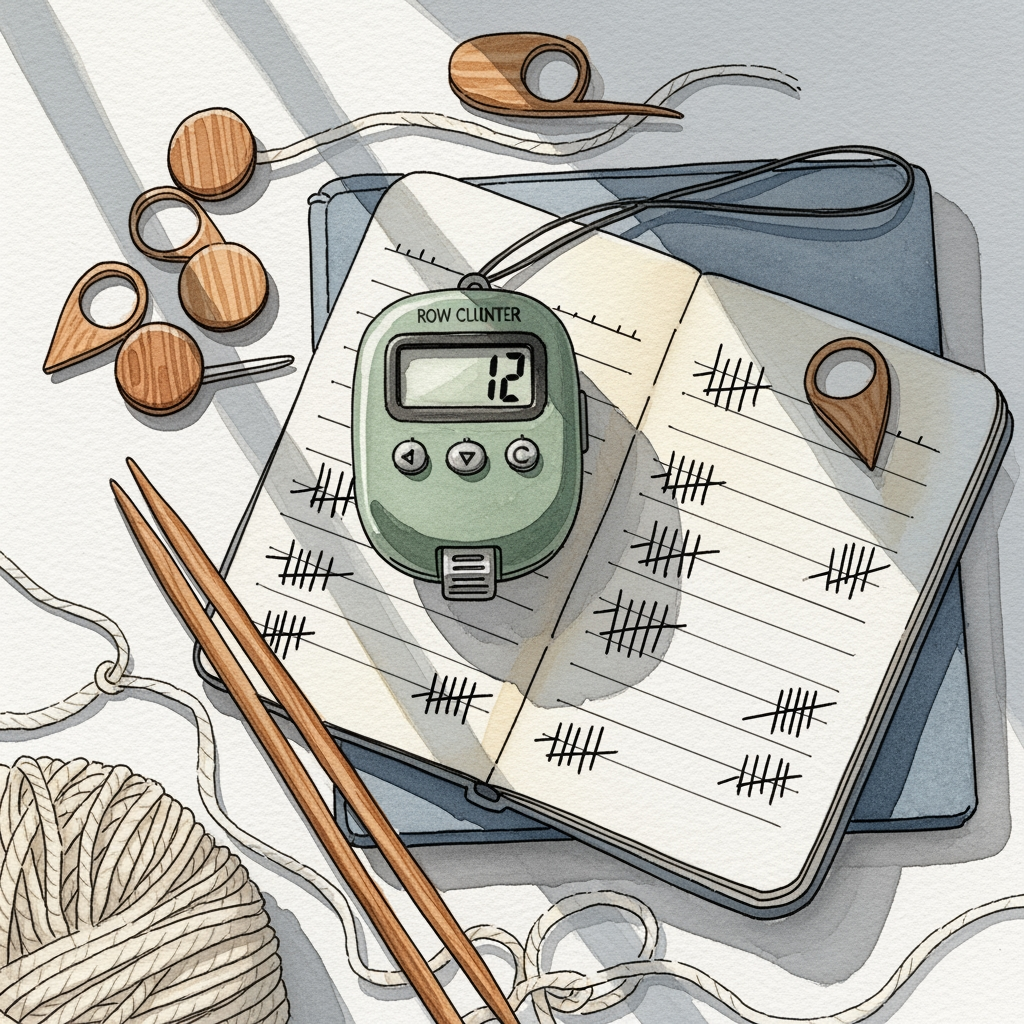
6 Best Row Tracking Apps For Digital Chart Management
Streamline your knitting projects with these 6 top-rated row tracking apps. Discover efficient digital tools to manage patterns and stay organized effortlessly.
We’ve all been there: staring at a crumpled paper pattern, losing our place in a complex cable repeat, and frantically trying to recount rows while holding a circular needle in our teeth. Moving your patterns to a digital format isn’t just about being tech-savvy; it’s about freeing your brain to focus on the rhythm of your stitches. Whether you’re working on a simple garter stitch scarf or a complex, multi-chart lace shawl, these tools change the way you interact with your work. Let’s look at the best apps to keep your progress organized and your sanity intact.
KnitCompanion: The Gold Standard for Complex Charts
If you are tackling an intricate stranded colorwork sweater or a delicate lace project, KnitCompanion is the industry heavyweight for a reason. It allows you to break down massive, multi-page PDFs into manageable, interactive charts that you can zoom in on without losing clarity.
The app excels at "setup," letting you create custom markers and row counters that move as you finish each section. It’s particularly useful when working with charts that have different repeat structures for different sizes.


The trade-off is the learning curve; it’s a powerful tool that requires some time to master. However, for the serious knitter who doesn’t want to fumble with sticky notes, it is worth every second of setup.
My Row Counter: Simple and Effective for Beginners

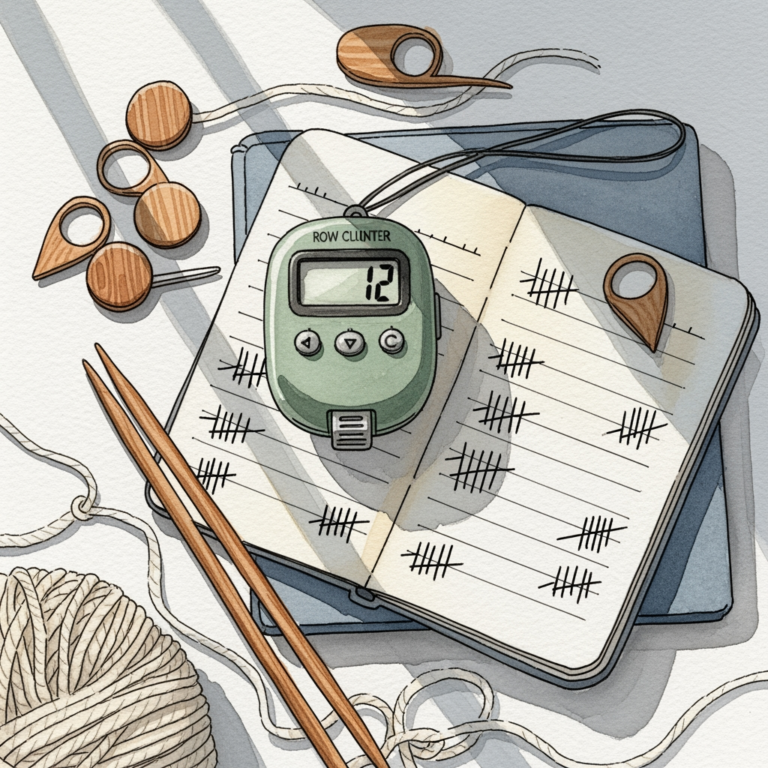
Sometimes, you don’t need a digital Swiss Army knife—you just need a reliable way to keep track of your rows while watching a movie. My Row Counter is clean, intuitive, and gets you up and running in under a minute.
It’s perfect for those who find complex interfaces overwhelming. You simply import your PDF, tap the screen to increment your row, and focus on your tension and gauge.
It lacks the advanced chart-manipulation features of more complex apps, but that’s its greatest strength. It won’t distract you from the meditative joy of your knitting.
BeeCount: Best Minimalist Digital Knitting Assistant
BeeCount feels like a breath of fresh air for knitters who want a distraction-free experience. Its interface is stripped down to the bare essentials, focusing entirely on the act of counting and noting progress.
This app is ideal for those who prefer working from physical paper patterns but need a digital backup for their progress. You can keep your printed chart on your lap and use the app as a dedicated, reliable row-tracking tether.
It’s a lightweight solution that won’t drain your battery during long knitting sessions. If you’re a minimalist who appreciates efficiency, this is your best bet.
Pattern Keeper: Perfect for PDF Chart Management
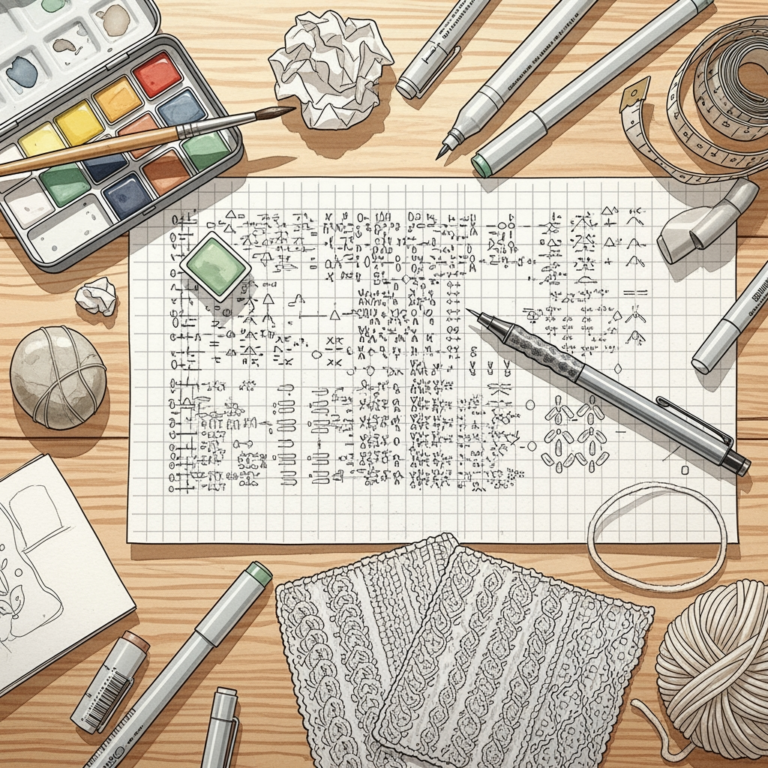
Pattern Keeper is a game-changer for those who prefer working from digital charts rather than written instructions. It reads the symbols in your PDF and turns them into an interactive grid that you can highlight as you go.
It is particularly brilliant for colorwork charts where you need to track your position in a multi-row repeat. By clicking a stitch, the app highlights its location in the pattern, helping you avoid those dreaded "oops" moments in your color changes.
Note that it works best with specific, well-formatted PDF files. If your pattern is a scan of a hand-drawn sketch, you might find the automated recognition features less reliable.
Row Counter: Best All-in-One Crafting Companion
The Row Counter app is a robust, well-rounded tool that handles everything from simple row tracking to managing multiple projects at once. It’s excellent for the knitter who constantly has three or four projects on the needles.
It includes handy features like a voice-activated counter, which is a lifesaver when your hands are busy with complex cabling or holding a yarn tail. You can simply say "next" to advance your row.
It’s a solid, reliable choice that balances complexity with ease of use. It’s a great middle-ground for someone who has outgrown basic counters but isn’t ready for advanced chart editing.
Knitting Chart: Best for Designing Your Own Patterns
Knitting Chart is unique because it isn’t just for tracking; it’s for creating. If you are the type of knitter who loves to modify patterns or draft your own, this app allows you to build charts from scratch using a comprehensive library of symbols.
It’s a fantastic tool for those who want to understand the "why" behind a pattern. By building your own charts, you learn how stitches interact with one another, which makes you a more confident and adaptable knitter.
While it is a powerful design tool, it is also highly effective for tracking your progress on patterns you’ve created or modified yourself. It bridges the gap between the designer and the maker.
Why Digital Trackers Beat Paper Patterns Every Time
Paper patterns are notorious for getting lost, stained with tea, or simply wearing out at the creases. A digital tracker keeps your pattern pristine, regardless of how many times you pick it up or set it down.
Furthermore, digital apps allow you to zoom in on tiny charts that would otherwise strain your eyes. If you’re working with fine-gauge wool or lace-weight silk, being able to enlarge a chart on your tablet is a massive advantage.
Finally, you can sync your progress across devices, ensuring you never lose your place. You can start a row on your phone while waiting for the bus and finish it on your tablet at home.
Key Features to Look for in a Row Tracking App
When choosing an app, look for features that align with your specific knitting habits. Consider the following:
- Voice Control: Essential for when your hands are occupied with complex stitches.
- Multi-Project Management: Crucial if you are a "serial knitter" with multiple projects on the go.
- Customizable Counters: Look for apps that allow you to set up multiple counters for different parts of a pattern (e.g., one for the body, one for the sleeve increases).
- Annotation Tools: The ability to add notes about needle sizes or yarn substitutions is invaluable for future projects.
How to Import Your PDF Patterns Into These Apps
Importing is generally straightforward, but it helps to know the workflow. Most apps allow you to "share" a PDF file directly from your email or cloud storage (like Dropbox or Google Drive) into the app.
Once imported, take a moment to organize your files by project type or yarn weight. This saves you from scrolling through a disorganized list of files when you’re ready to cast on.
If a pattern is a physical paper copy, use a scanning app on your phone to create a clean, high-contrast PDF before importing it. A clear scan makes all the difference in how well the app can read the chart.
Syncing Your Progress Across Multiple Devices
The beauty of digital tracking is the ability to move between devices seamlessly. Always check if your chosen app offers cloud synchronization.
If you knit in different locations—your favorite chair, the local yarn shop, or while traveling—syncing ensures your row count is always accurate. There is nothing more frustrating than arriving at a knit night only to realize your progress is still stuck on the tablet at home.
Set up your account and enable automatic syncing immediately after installing. It’s a small step that provides immense peace of mind.
Transitioning to a digital tracking system might feel like an adjustment, but your future self will thank you when you’re halfway through a complex yoke without a single dropped row. Choose the app that matches your current project’s complexity and your own personal style. Once you experience the ease of having your pattern and progress perfectly synced, you’ll likely never go back to paper again. Happy knitting, and may your stitches always be even and your row counts always accurate.