7 Best Knitting Books For Lace Techniques To Master
Master intricate lace with our top 7 knitting books. Learn essential techniques, from yarn-overs to complex charts, to elevate your craft with expert guidance.
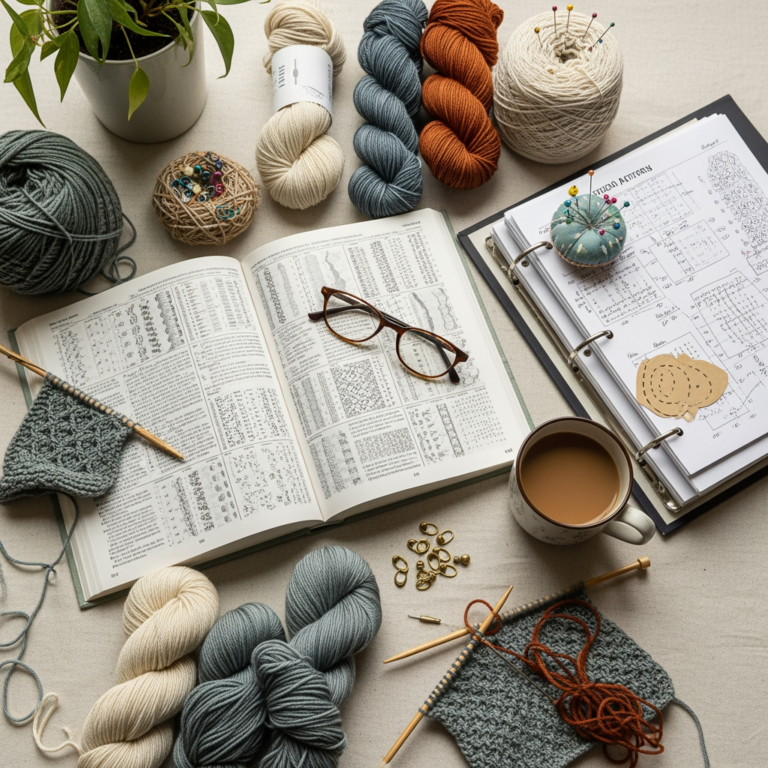
Knitting lace is a transformative experience that turns simple strands of fiber into delicate, airy webs of art. While the sight of complex charts can be intimidating, the right instructional guide acts as a roadmap through the stitch patterns. These seven books serve as the gold standard for mastering the tension, rhythm, and structural integrity required for fine lace. Whether you are a beginner or a veteran, these resources will elevate your craft to a professional level.
Lace Style by Pam Allen: Best for Beginners
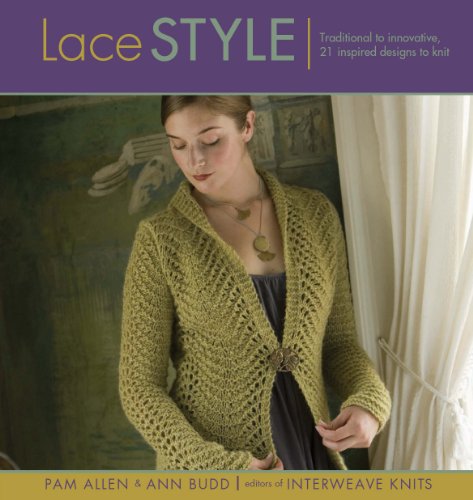

If you are staring at your first ball of lace-weight yarn and feeling overwhelmed, Lace Style is your perfect starting point. It demystifies the process by focusing on wearable, modern silhouettes rather than just traditional doilies.
The book excels because it teaches you how to incorporate lace into garments, which is a significant step up from flat swatches. It breaks down the math of shaping while maintaining stitch patterns, a hurdle that stops many intermediate knitters in their tracks.
Don’t expect a encyclopedic list of every stitch known to man here. Instead, treat this as a masterclass in design integration. It teaches you how to balance the "holes" of lace with the stability of stockinette, ensuring your finished garment doesn’t lose its shape after the first wash.
The Magic of Shetland Lace by Elizabeth Lovick

Shetland lace is famous for its ethereal, spider-web quality, and Lovick’s book is the definitive guide to this storied tradition. It focuses heavily on the historical context of the craft, which is vital for understanding why these specific techniques evolved the way they did.
The book is particularly strong on the "nuance of the edge." In Shetland knitting, the border is often worked separately and grafted onto the main body, a technique that intimidates many. Lovick makes this process feel manageable through clear, step-by-step instructions.
If you are working with traditional Shetland wool, be prepared for a yarn that is "sticky" and rustic. This is actually a benefit for lace, as it holds the stitches in place while you manipulate them. This book will teach you how to embrace that grip rather than fighting against it.
Victorian Lace Today by Jane Sowerby Explained

Victorian Lace Today is less of a textbook and more of a treasure chest of historical patterns. Sowerby has taken fragile, antique lace designs and modernized them for the contemporary knitter.
The real value here lies in the charting. Sowerby provides incredibly clear, standardized charts that make sense of patterns that were originally written in confusing, archaic prose. It is a masterclass in translating history into a format that works for today’s needles.
Be warned: these projects are not for the faint of heart. They require immense patience and a high level of comfort with complex increases and decreases. If you want to challenge your technical skills, start here.
Nancy Bush’s Knitted Lace of Estonia Reviewed

Estonian lace is defined by its clever use of "nupps"—those tiny, bobble-like clusters that add texture and weight to a piece. Nancy Bush is the authority on this technique, and her book is essential for anyone wanting to master this specific regional style.
The book does a fantastic job of explaining the logic behind the construction. You aren’t just memorizing patterns; you are learning the "grammar" of Estonian lace. This allows you to eventually design your own pieces based on the motifs you’ve learned.
A quick tip for the "nupp": it can be quite tight, which puts strain on your needles. Use a tapered needle tip—like a sharp lace needle—to make pulling the yarn through those multiple loops much easier on your hands.
A Gathering of Lace by Meg Swansen: A Classic

A Gathering of Lace is a collaborative effort that feels like sitting in a room with the world’s best lace knitters. It features patterns from various designers, showcasing a wide range of styles and philosophies.
Because it is a collection, the difficulty level varies wildly. This is a great book for someone who wants to grow their skills gradually, moving from simple openwork to complex, multi-motif shawls.
The book is also a reminder that there is no single "right way" to knit lace. You will see different approaches to tension and decreases, which is a great lesson in knitterly independence. Don’t be afraid to experiment with the techniques shown here to find what works for your specific gauge.
The Harmony Guides: Lace Stitches for Experts

Think of this as your dictionary. If you are designing your own projects or looking to modify an existing pattern, you need a reliable reference for stitch combinations.
The Harmony Guides are purely instructional. They don’t give you projects; they give you the building blocks. This is vital for the advanced knitter who has moved beyond following patterns and wants to start creating their own lace compositions.
The biggest mistake knitters make is trying to use these stitches without swatching. Always swatch your lace patterns. The drape of a stitch changes significantly depending on the fiber content and the needle material, and you don’t want to find that out 50 hours into a shawl.
Heirloom Knitting by Sharon Miller: Top Pick
If you are serious about lace, this is the book that sits on your nightstand. It is the definitive guide to traditional Shetland lace, focusing on the preservation of techniques that are slowly disappearing.
Miller’s approach is rigorous and deeply rewarding. She covers everything from the selection of the finest lace-weight wools to the precise, traditional methods of finishing. It is the closest thing to a formal apprenticeship you will find in print.
This book is for the knitter who values the process as much as the product. If you are looking for a quick knit, look elsewhere. If you are looking to create a legacy piece that will last for generations, this is your bible.
Essential Tools for Precision Lace Knitting
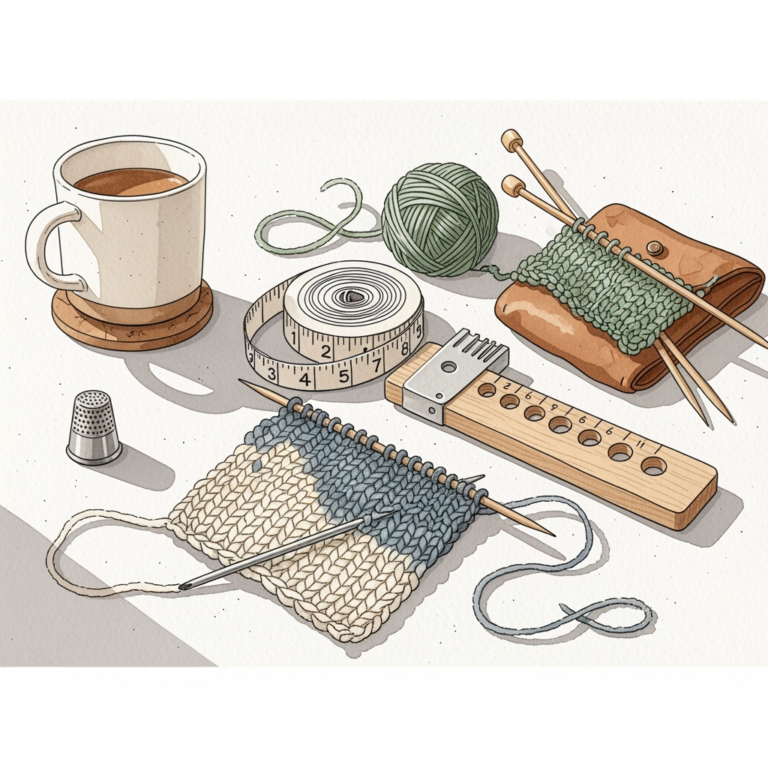
Lace knitting is a game of millimeters. When you are working with lace-weight yarn—often labeled as 2-ply or cobweb weight—your choice of needle is critical.
- Sharp, tapered tips: These are non-negotiable for picking up multiple loops or working complex decreases like a K3tog.
- Smooth finishes: Avoid wood needles that have a "grabby" finish; you want the yarn to glide effortlessly. Nickel-plated or polished stainless steel needles are often preferred for lace.
- Stitch markers: Use thin, snag-free markers. Thick plastic rings will stretch your yarn and distort the delicate lace pattern.
How to Read Complex Lace Charts With Ease
Charts are a visual representation of your fabric, and once you learn to read them, you will never want to go back to written instructions. The key is to recognize that charts are read from the bottom up and usually right to left on the right side.
If you find yourself getting lost, use a magnetic chart keeper or a simple sticky note to mark your current row. This is not a crutch; it is a professional tool for maintaining focus.
Always look for the "repeat" box on your chart. Most lace patterns are built on a modular system, and understanding the repeat allows you to spot mistakes before they propagate through the entire project.
Blocking Techniques for Professional Results
A lace project looks like a tangled, messy heap of yarn until it is blocked. Blocking is the process of wetting the finished piece and pinning it out to its final dimensions to open up the stitches.
You must use blocking wires for straight edges and plenty of T-pins for scalloped borders. Never skip this step; it is where the "lace" actually happens.
Be mindful of your fiber. Animal fibers like wool and alpaca respond beautifully to the "wet block and stretch" method. However, if you are using a plant-based fiber like linen or cotton, it will have less "memory" and will require more aggressive pinning to hold its shape.
Mastering lace is a journey that rewards patience, precision, and a willingness to embrace the occasional mistake. By utilizing these books and focusing on the mechanics of your tools, you will transform your knitting from simple loops into intricate, heirloom-quality lace. Remember that every stitch is a chance to refine your technique, so take your time and enjoy the rhythm of the needles. Your most beautiful projects are waiting in the pages of these guides.