6 Best Knitting Chairs For Long Colorwork Sessions
Finding the right chair is vital for long colorwork projects. We review 6 ergonomic picks that offer lumbar support and comfort for hours of steady knitting.
When you’re deep into a complex stranded colorwork chart, the last thing you want is your lower back screaming for a break before you reach the end of the row. Knitting is an endurance sport, and the chair you choose can be the difference between finishing that heirloom sweater and abandoning it due to physical fatigue. Over my twenty years at the needles, I’ve learned that a supportive seat is just as vital as choosing the right wool for your tension. Here is my guide to selecting a chair that keeps your hands moving and your body pain-free.
Herman Miller Aeron: Best Ergonomic Support


The Aeron is the gold standard for a reason: its mesh suspension system keeps you cool during those marathon sessions where you’re juggling three colors of high-twist wool. When you are focused on maintaining even tension across a long float, you don’t want to be distracted by a chair that traps heat or causes you to slouch.
The true magic lies in the adjustable posture-fit lumbar support. If you tend to "knit tight"—a common habit when managing intricate colorwork—you are likely prone to hunching your shoulders forward. This chair forces a neutral spine, which prevents that dreaded "knitter’s neck" that often sets in after an hour of staring at a chart.
However, the firm mesh can feel unforgiving if you prefer to curl up into a ball while you knit. It is a tool for precision and health, not necessarily for lounging. If you prioritize long-term skeletal alignment, this is an investment that pays for itself in physical longevity.
Poäng Armchair by IKEA: Best Value Choice

The Poäng is a staple in many knitting rooms because its cantilevered frame offers a gentle, natural bounce. When you’re rhythmically working through a simple stockinette section or a repetitive cable pattern, that slight give in the frame helps prevent your joints from feeling stiff.
Because the chair is relatively low to the ground, it’s excellent for keeping your elbows tucked comfortably near your ribs. This is crucial for avoiding shoulder strain, especially if you are working with heavier, rustic wools that require more arm movement.
The downside is the lack of head support and adjustable lumbar depth. If you are prone to back pain, you will likely need to add a small throw pillow behind your lower back to bridge the gap. It’s an affordable, lightweight option that is easy to move around your craft space.
La-Z-Boy Recliner: Best for Lumbar Comfort

When you are working on a massive project, like a king-sized blanket or a complex colorwork cardigan, you need a chair that supports your entire body weight. La-Z-Boy recliners provide a level of lower back cushioning that most office chairs simply cannot replicate.
The ability to recline slightly is a game-changer when you’re working on the lower sections of a large garment. It allows you to shift your center of gravity, taking the pressure off your hips and thighs. Just be careful: if you recline too far, your knitting needles may hit your chest, which can alter your gauge and tension.
The main tradeoff here is the bulk and the "sinking" feeling of the foam. If the cushion is too soft, you might find yourself struggling to maintain the upright posture needed for detailed work. Always look for a model with firmer, high-density foam to ensure you aren’t fighting the chair just to sit up straight.
West Elm Mid-Century: Best Style Selection
If your knitting space doubles as your living room, you don’t want a piece of office equipment dominating the aesthetic. West Elm chairs offer a fantastic balance of sophisticated design and firm, upright support that is surprisingly conducive to knitting.
The key feature here is the relatively shallow seat depth and firm backrest. Many "lounge" chairs are too deep, forcing you to slide forward to reach your needles, which is a recipe for disaster for your posture. These chairs keep you positioned correctly without looking like a medical device.
Keep in mind that these chairs often have fixed armrests that might be too high or too low for your specific height. If the armrests interfere with your knitting motion, you’ll find yourself hunching to compensate. Test the height against your favorite pair of needles before committing to the purchase.
Stressless Wing Chair: Best Reclining Option

The Stressless system is designed to follow your body’s micro-movements, which is perfect for the "knitter’s fidget." We rarely sit perfectly still for four hours; we shift, we adjust our yarn balls, and we reach for our scissors. This chair moves with you, maintaining support no matter how you adjust your position.
The patented "Plus" system provides seamless neck and lower back support, even as you recline. This is a massive benefit when you are working on a long, complicated chart that requires you to look down for extended periods. It keeps your head aligned with your spine, reducing the strain on your neck muscles.
The price point is high, reflecting the engineering involved. It is an investment piece for the dedicated maker who spends every evening with needles in hand. If you have the budget, the ergonomic payoff for your back and shoulders is significant.
Wayfair Mercury Row: Best Compact Solution
For those of us working in a "knitting nook" or a shared bedroom space, a massive recliner just isn’t an option. The Mercury Row line features modern, streamlined accent chairs that provide a surprising amount of support for their small footprint.
These chairs usually feature a high, straight back that encourages good posture. Because they are smaller, they are easier to tuck into corners or move closer to a lamp for better lighting. Good lighting is non-negotiable for colorwork, as you need to clearly see the contrast between your yarn strands to avoid dropped stitches.
The tradeoff is the lack of adjustability. What you see is what you get, so you must be honest about your own measurements. If you are tall, ensure the back height is sufficient to support your shoulders, or you will end up with significant tension in your upper back by the end of a project.
Vital Features for Long Knitting Sessions
When evaluating any chair, look for firmness over plushness. While a soft chair feels like a hug, it won’t support your frame during a three-hour session, leading to "knit-fatigue" where your muscles have to work harder to stabilize you.
Pay close attention to seat depth. You should be able to sit all the way back with your feet flat on the floor and have about two inches of space between the edge of the chair and the back of your knees. This prevents pressure on your circulation, which is vital when you are sitting still for long periods.
Finally, consider the armrest height. Your elbows should be at a 90-degree angle when your hands are in your lap. If the armrests are too high, your shoulders will creep toward your ears, creating tension that will inevitably travel down your arms and into your wrists.
How to Optimize Your Knitting Posture
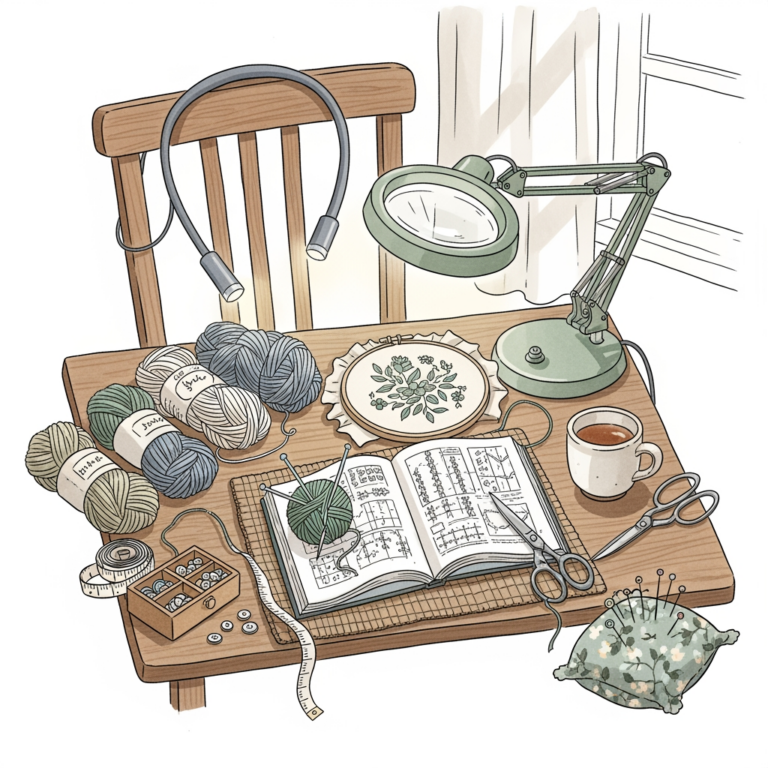
Start by setting up your lighting so you aren’t leaning toward the lamp. If you find yourself tilting your head, you are putting unnecessary stress on your cervical spine. Use a floor lamp that can be positioned directly over your shoulder to illuminate your work without needing to adjust your body.
Incorporate a small footstool if your chair is slightly too tall. Keeping your knees at or slightly above hip level helps maintain the natural curve of your lower back. This simple change can alleviate the "lower back ache" that many knitters mistake for a need to stop knitting.
Remember to take "micro-breaks." Every 30 minutes, put your needles down, stand up, and reach for the ceiling. This resets your posture and gives your hands a chance to release the tension from holding the needles, which is especially important when using slick metal needles that require a tighter grip.
Avoiding Back Strain During Colorwork
Colorwork is notorious for causing back strain because of the focus required to hold two or more strands of yarn correctly. To keep your back healthy, focus on your "tensioning hand." If you are holding your yarn too tightly, that tension radiates through your shoulder and into your back.
If you are struggling with back pain, try switching to a different style of needle. If you are currently using slippery nickel-plated needles, try bamboo or wood. The extra "grab" of natural materials allows you to loosen your grip, which reduces the overall tension in your hands, arms, and back.

Also, be mindful of your project weight. Knitting a heavy wool sweater in your lap for hours puts a surprising amount of downward pressure on your spine. Use a project bag that sits on the floor or a side table to bear the weight of the yarn, keeping the burden off your body.
Maintaining Your Knitting Ergonomics
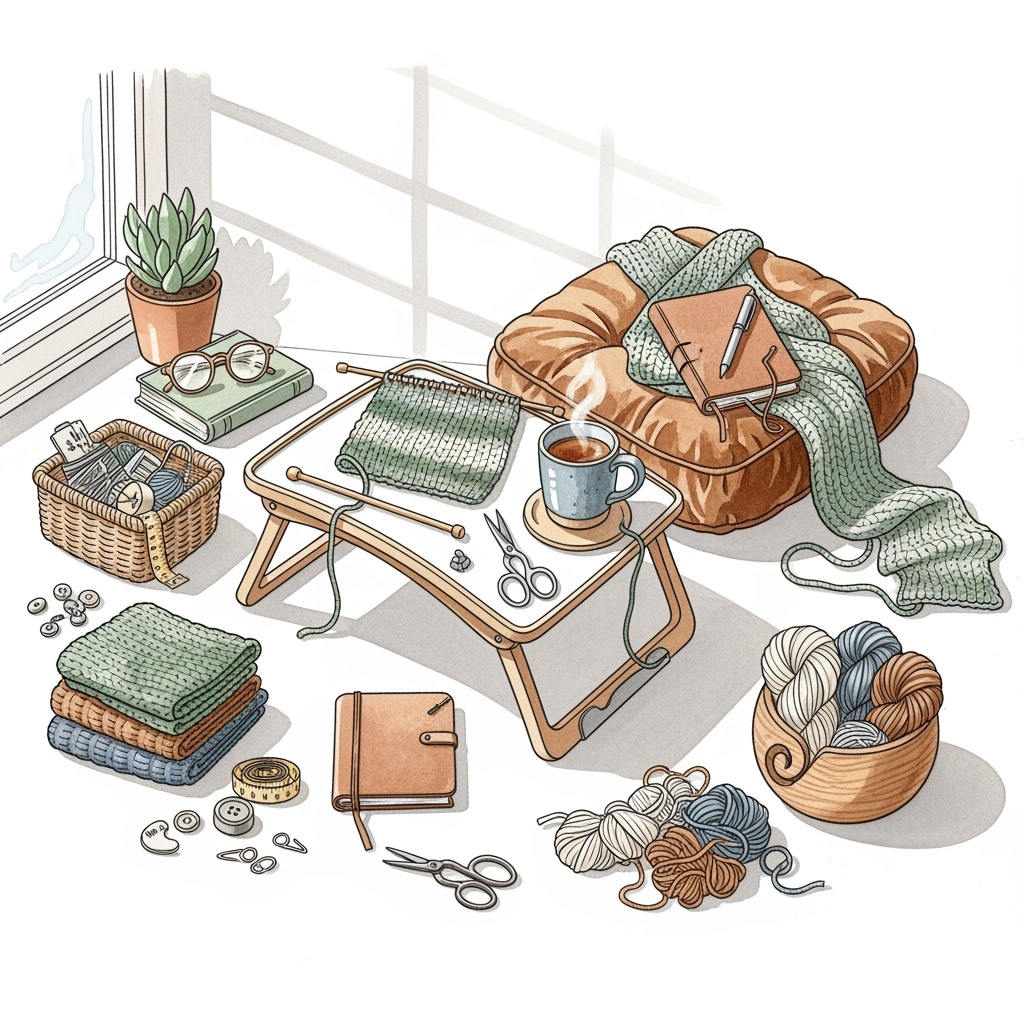
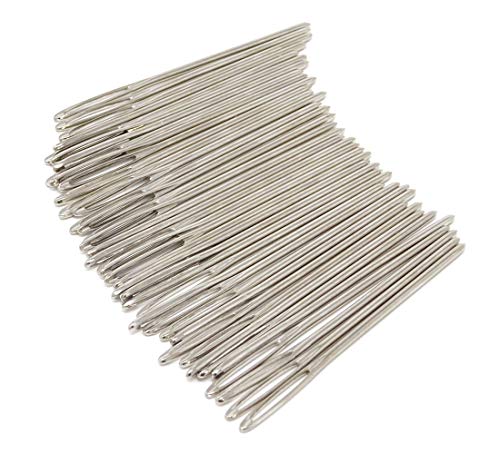
Ergonomics isn’t just about the chair; it’s about the entire environment. Keep your essential tools—stitch markers, scissors, tapestry needles, and your yarn bowl—within easy reach. If you have to twist your torso to grab your yarn, you are inviting back injury.
Periodically review your posture mid-session. Ask yourself: "Are my shoulders relaxed? Is my jaw clenched?" We often hold tension in our faces while concentrating on a tricky transition in a colorwork chart, and that tension eventually settles into our shoulders.
Ultimately, your chair should be a partner in your craft. Whether you opt for a high-end ergonomic model or a well-loved thrifted find, ensure it supports your body so you can focus on the joy of the stitches. A comfortable knitter is a prolific knitter, and your back will thank you when you finally bind off that masterpiece.
Finding the right knitting chair is a personal journey that depends as much on your unique body as it does on your aesthetic preferences. By prioritizing firm support, proper seat depth, and a layout that keeps your tools accessible, you can turn your knitting time into a truly restorative practice. Don’t be afraid to add cushions or footstools to customize your setup until it feels just right. Happy knitting, and may your floats always be even and your back always be pain-free.