6 Best Wool Wash Liquids For Delicate Fibers
Preserve your knitwear with our top six wool wash picks. We evaluate gentle, effective formulas designed to clean and protect your most delicate fibers.
Investing hours into a hand-knit sweater means you have a vested interest in keeping those fibers pristine for years to come. Using the wrong soap can strip natural oils, felt your hard work, or leave behind residues that attract moths. The right wash liquid acts as an investment in the longevity of your heirloom-quality projects. Here are the top choices to ensure your stitches stay as beautiful as the day you bound off.
Eucalan Delicate Wash: Best Overall for Wool
Eucalan is the gold standard in most knitting circles because it is formulated specifically to nourish natural fibers. It contains lanolin, the natural oil found in sheep’s wool, which helps replenish the fiber after the stress of knitting and wearing.
This wash is a "no-rinse" formula, which is a massive advantage when you’re dealing with a heavy, soaking-wet cabled sweater. You simply submerge the item, let it sit, and squeeze out the excess moisture. It eliminates the need for repeated agitation, which is the primary cause of unwanted felting.
If you are a beginner, this is the safest place to start. It is pH neutral and free of harsh chemicals, meaning it won’t bleach or weaken your yarn over time.
Soak Wash: Best No-Rinse Option for Knits
Soak Wash is beloved for its convenience and light, modern scent profiles. It’s ideal for the knitter who wants a quick, efficient process without worrying about soap residue lingering in the fibers.
Because it is designed to be left in the garment, it’s perfect for blocking lace shawls where you want the yarn to retain a bit of elasticity and softness. It rinses clean if you prefer, but the no-rinse method is safe and effective for almost any animal fiber.
Keep in mind that while it is great for everyday wear, it lacks the extra lanolin boost found in some other specialized washes. It is an excellent, reliable daily driver for your hand-knits.
Kookaburra Wash: Best for Natural Fiber Care


Kookaburra is a tea tree oil-based wash that is exceptionally effective at sanitizing and deodorizing. It is a fantastic choice if you’ve picked up a vintage sweater or a thrifted wool find that needs a deep, gentle refresh.
The tea tree oil acts as a natural antimicrobial agent. It helps keep fibers clean without the use of synthetic fragrances or optical brighteners that can make wool look "whiter" but actually degrade the fiber structure.
This is a concentrated formula, so a little goes a long way. If you are sensitive to strong scents, be aware that the tea tree aroma is distinct, though it dissipates quickly once the item is dry.
The Laundress Wool & Cashmere: Best Premium
If you are working with luxury fibers like cashmere, angora, or high-end merino, The Laundress offers a sophisticated, enzyme-based cleaning experience. It is designed to remove oils and perspiration while protecting the structural integrity of delicate, fine-gauge yarns.
The price point is higher, but it is formulated to prevent the pilling that often plagues high-end cashmere garments. It is an excellent choice for those intricate, expensive projects that you only knit once in a lifetime.
Be mindful that this product is more effective for high-end, processed luxury yarns than for rustic, oily wools. It’s a specialized tool for your most precious, "wear-to-dinner" knitwear.
Unicorn Fibre Wash: Best for Delicate Fibers
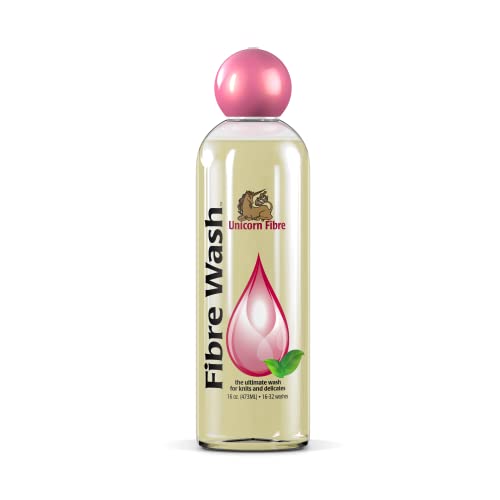
Unicorn Fibre Wash is a favorite among serious fiber artists who process their own wool or work with high-twist yarns. It is incredibly effective at lifting dirt and soil while remaining gentle on the delicate scales of the wool fiber.

This wash is particularly good at "blooming" the yarn, which helps stitches look more uniform after blocking. If you’ve just finished a complex colorwork project, this wash helps the colors pop and the stitches settle beautifully into place.
It is a professional-grade product that respects the biology of the fiber. It is a top-tier choice if you are concerned about maintaining the bounce and loft of your hand-knit garments.
Eucalan Lavender: Best Scented Wool Cleaner
Eucalan Lavender provides the same excellent conditioning properties as the original formula but with the added benefit of essential oil-based fragrance. Lavender is a natural moth repellent, making this a functional choice for seasonal storage.
The scent is subtle and natural, not the cloying, artificial smell found in standard supermarket detergents. It’s perfect for items that will be tucked away in a cedar chest or drawer for the summer months.
If you have sensitive skin, the essential oils are generally well-tolerated. However, always test a small swatch first if you have known allergies to specific plant extracts.
Why You Should Never Use Regular Detergent
Regular laundry detergents are engineered to strip grease and dirt using strong enzymes and high pH levels. These chemicals are disastrous for wool, which is essentially hair that relies on its own natural oils to stay supple and water-resistant.

When you use regular detergent, you are essentially "degreasing" your sweater. This leaves the fibers brittle, prone to snapping, and significantly more susceptible to moth damage.
- Avoid detergents with: Protease enzymes (which eat protein fibers like wool), optical brighteners, and chlorine bleach.
- The result: Using regular soap leads to faded colors, scratchy textures, and a loss of the "spring" that makes wool such a joy to knit.
How to Properly Soak Your Hand-Knit Garments
The secret to a long life for your knits is minimizing agitation. Never scrub or twist a wet wool garment, as this encourages the scales on the fiber to lock together, causing permanent felting.
- Fill a basin with lukewarm water and a capful of your chosen wash.
- Gently submerge the garment, pushing it down until it is fully saturated.
- Let it soak for 15 to 20 minutes; the soap will do the cleaning work for you.
- Drain the basin and gently press the water out against the side—never wring the garment.
Preventing Fiber Damage During the Wash Cycle
If you absolutely must use a machine, it must be on a dedicated "hand wash" or "wool" cycle with no spin or a very low spin speed. However, I strongly advocate for hand washing whenever possible to maintain control over the fiber.
If you are washing multiple items, use mesh laundry bags to prevent buttons, zippers, or other items from snagging the yarn. Snags are the most common cause of accidental holes in hand-knits.
Always ensure your wash water and rinse water are the same temperature. A sudden shift from warm to cold water can cause "thermal shock," which leads to instant, irreversible felting.
Essential Tips for Drying Delicate Wool Items
Drying is the final, most critical step in the care process. Never hang a wet wool sweater on a hanger; the weight of the water will stretch the garment out of shape, often permanently.
- Lay flat: Always dry your items on a flat, breathable surface like a mesh drying rack.
- Roll, don’t wring: Place the wet garment on a clean, dry towel, roll it up like a sleeping bag, and step on the roll to extract excess moisture.
- Shape: Gently pat the garment into its intended shape (blocking) while it is damp, ensuring the sleeves and hem are even.
Caring for your hand-knits is just as important as the time you spent choosing the yarn and mastering the pattern. By selecting a gentle, wool-specific wash and avoiding harsh mechanical agitation, you ensure your work stays vibrant and soft for years. Treat your hand-knits with the same care you put into every stitch, and they will remain a cherished part of your wardrobe forever.