7 Best Silicone Lubricants For Carriage Rails Tested
We tested 7 silicone lubricants for carriage rails. Discover which formulas offer the best friction reduction and long-term protection for your equipment.
Keeping your knitting machine carriage gliding smoothly is the difference between a meditative afternoon of stockinette and a frustrating battle with jammed needles. Over two decades in the studio, I have learned that the right lubricant is the unsung hero of consistent tension and even stitch formation. Choosing the wrong product can attract dust, gum up your sinkers, or even damage delicate plastic components. This guide breaks down the best silicone-based options to ensure your machine stays in peak working order.
Singer Machine Oil: Best All-Purpose Lubricant
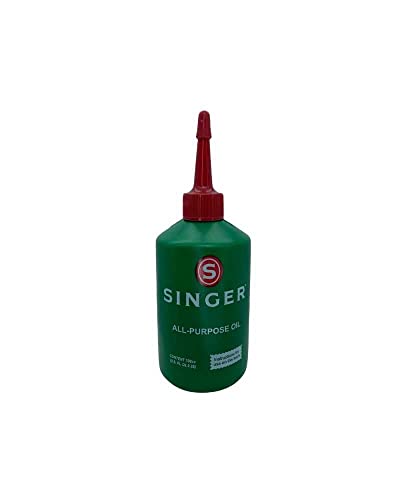

Singer machine oil is a staple in my sewing room, and it remains a reliable standby for basic knitting machine maintenance. While technically a mineral-based oil rather than a pure silicone, its viscosity is perfectly calibrated for the metal-on-metal contact found in older, heavy-duty machines.
It excels at preventing rust on steel rails, especially if you live in a humid climate where oxidation can creep in overnight. Because it is lightweight, it doesn’t leave a heavy, tacky residue that attracts stray wool fibers or dust bunnies.
However, be warned: a little goes a very long way. If you over-oil your rails, you risk transferring excess lubricant onto your yarn, which can ruin delicate fibers like mohair or silk. Always wipe away the excess with a lint-free cloth before casting on.
Super Lube 21030 Synthetic Grease for Rails

When your carriage starts feeling "crunchy" or requires more physical force to push across the needle bed, it is time for a synthetic grease. Super Lube 21030 is a thick, high-performance lubricant that stays exactly where you put it.
Unlike thin sprays that evaporate or run, this grease provides a lasting cushion for the carriage rollers. It is particularly effective for vintage machines with worn-down tracks that need a bit of extra "body" to keep the movement fluid.
The tradeoff here is the application process; it requires a bit more precision to avoid clumping. I recommend using a tiny artist’s paintbrush to apply a microscopic layer, ensuring you don’t impede the movement of the needles themselves.
Blaster 16-SL Silicone Lubricant Spray Review

Blaster 16-SL is a fantastic "clean" option for knitters who are wary of staining their projects. It dries to a clear, non-greasy film that effectively reduces the friction between the carriage and the metal rail.
I find this spray particularly useful for modern machines with plastic-housed carriages. It doesn’t react with synthetic components, meaning you won’t have to worry about the long-term degradation of your machine’s housing or delicate plastic cams.
The downside is that the effect is relatively short-lived compared to a heavy grease. If you are working on a massive project like a floor-length wool coat, you will need to reapply this spray more frequently to maintain that effortless glide.
Permatex 80070 Silicone Spray for Carriages

Permatex 80070 is a high-silicone content spray that is legendary among machine knitters for its ability to stop "squeak" in its tracks. It is exceptionally slick, which makes it a dream if you are working with sticky, high-friction yarns like cotton or linen.
When you are knitting with cotton, the lack of elasticity means your machine works harder to pull the yarn through the needles. This spray minimizes the drag on the carriage, which in turn helps keep your stitch tension uniform across the entire width of the piece.
Be careful with overspray, as it can make your floor incredibly slippery. I always hold a piece of cardboard behind the rail while spraying to keep the lubricant contained to the track and away from the floor or the needle bed.
3-IN-ONE Professional Silicone Lubricant
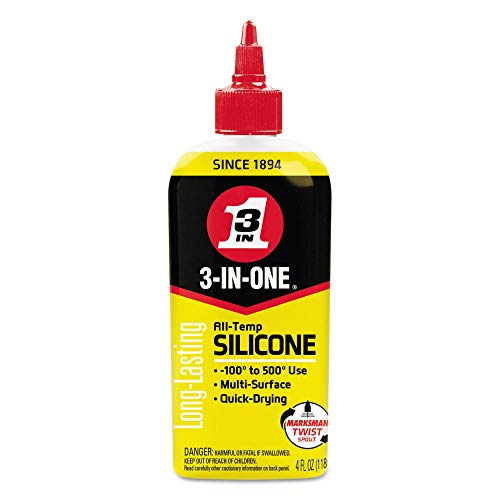
This product is the "workhorse" of the knitting room, offering a balanced formula that works well on almost any gauge machine. It is designed to be fast-drying, which is a major advantage if you are in the middle of a time-sensitive project.
Many knitters mistakenly use the original 3-IN-ONE oil, which is too heavy and will eventually gum up your machine. Make sure you are grabbing the Professional Silicone version, as the silicone-based formula is specifically designed to resist heat and friction without attracting debris.
It is an excellent choice for beginners who are still learning how much lubrication their machine actually needs. It provides enough slickness to prevent damage, but it isn’t so heavy that it becomes a maintenance nightmare to clean off later.
Liquid Wrench Silicone Spray for Knitting

Liquid Wrench is a solid, no-nonsense lubricant that performs consistently in a variety of temperatures. If your knitting studio is in an unheated garage or a chilly basement, this spray remains stable and doesn’t thicken up like some greases do.
It is particularly effective for clearing out small amounts of debris that may have settled in the rail tracks. The pressure of the spray helps dislodge tiny bits of lint, while the silicone leaves a protective barrier behind.
Always remember to let the solvent carrier evaporate for a few minutes before starting your carriage movement. If you start knitting immediately, you might find the lubricant hasn’t fully set, leading to a slightly uneven glide for the first few rows.
CRC 03040 Heavy Duty Silicone Lubricant
CRC 03040 is the nuclear option for machines that have been sitting in storage for years. If you’ve just inherited a machine that feels seized or stiff, this heavy-duty formula can help penetrate and loosen the dried-up factory oils of yesteryear.
It provides a very thick, durable coating that lasts for a long time. This is perfect for those marathon knitting sessions where you’re working for hours, as the lubricant won’t break down under the heat generated by the carriage’s movement.
Because it is "heavy duty," it is overkill for a machine that is already running smoothly. Use it sparingly, and be prepared to perform a deep cleaning of the rails once the machine is back in regular rotation.
Why Carriage Rails Require Silicone Lubrication
At its core, a knitting machine is a precision instrument where metal parts move against each other thousands of times per project. Without a proper barrier, you get metal-on-metal friction that causes wear, heat, and eventual mechanical failure.
Silicone is the gold standard here because it is chemically inert and stable across a wide range of temperatures. It doesn’t break down into sludge like organic oils, and it provides a "dry" lubrication that is less likely to damage your finished knitwear.
- Reduces Heat: Prevents the carriage from getting hot during rapid knitting.
- Prevents Rust: Acts as a moisture barrier on steel rails.
- Improves Tension: Consistent glide equals more consistent stitch size.
- Extends Life: Protects the metal tracks from becoming pitted or grooved.
How to Properly Apply Lubricant to Rail Tracks
The biggest mistake I see is "over-lubricating." You do not need to soak the tracks; you only need a thin, uniform film. Start by cleaning the rails thoroughly with isopropyl alcohol to remove old, dirty oil.
Once the rails are clean and dry, apply your lubricant of choice to a lint-free cloth rather than spraying directly onto the machine. Wipe the cloth along the entire length of the rail, ensuring full coverage.
- Clean first: Never apply new lubricant over old, dirty grease.
- Use a cloth: This prevents overspray from hitting your needles or yarn.
- Test: Move the carriage back and forth slowly to distribute the product.
- Wipe again: Use a clean cloth to remove any excess visible residue.
Essential Maintenance Tips for Knitting Machines
Lubrication is only half the battle; you must also keep the machine free of fiber dust. Every time you finish a project, use a soft brush to clear the needle bed and the rail tracks.
If you are working with "sheddy" fibers like angora or loosely spun wool, you should vacuum the machine more frequently. These fibers act like a sponge, soaking up your lubricant and turning it into a gritty paste that can damage your carriage rollers.
Finally, keep a log of when you lubricate your machine. If you are knitting daily, a light maintenance check every two weeks is usually sufficient. If you only knit occasionally, a quick check before starting a new project will keep your machine ready for action.
Maintaining your carriage rails is a simple habit that pays massive dividends in the quality of your finished garments. By selecting the right silicone lubricant and applying it with care, you protect your machine’s longevity and ensure your creative flow remains uninterrupted. Remember, a well-oiled machine is a quiet, happy machine that lets you focus on the rhythm of the needles. Happy knitting!