7 Best Bulb Pins For Marking Rows Worth Trying
Discover the 7 best bulb pins for marking rows. This guide compares durability and ease of use to help knitters and quilters keep their projects organized.
Every knitter knows the frustration of losing count mid-row and having to rip back precious hours of work. Bulb pins are the unsung heroes of the craft, acting as reliable anchors that track repeats, increases, and cable crossings with ease. Choosing the right marker can be the difference between a meditative knitting session and a headache-inducing unraveling. These seven options represent the best tools available to keep your stitches secure and your project on track.
Clover Locking Stitch Markers: The Gold Standard
Clover markers are ubiquitous in knitting bags for a reason: they are incredibly consistent. The locking mechanism is tactile and satisfying, providing a distinct "click" that confirms the marker is securely closed.
These are particularly excellent for beginners who might be nervous about their markers slipping out mid-row. Because they are made of a smooth, snag-free plastic, they glide over bamboo and metal needles without catching on delicate fibers like mohair or single-ply wool.
The trade-off is the thickness of the plastic. If you are working on a very tight gauge, such as socks on 2.0mm needles, these can sometimes create a slight distortion in the stitch. For most worsted or DK weight projects, however, they remain the gold standard for reliability.
Cocoknits Colorful Steel Bulb Stitch Markers
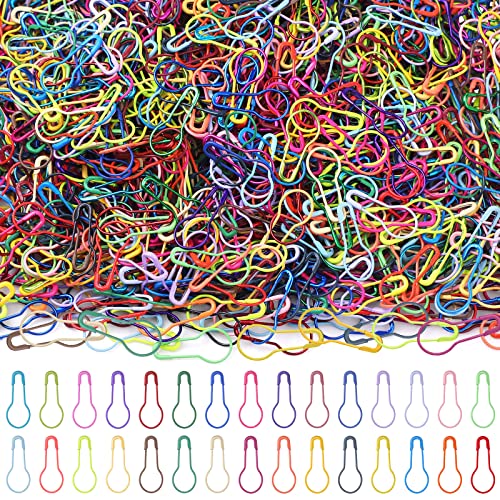

If you prefer a minimalist aesthetic, the Cocoknits steel markers are a dream to use. They are slender, unobtrusive, and come in a beautiful array of colors that help you organize complex lace charts or colorwork repeats.
Because they are made of steel, they are significantly thinner than their plastic counterparts. This makes them ideal for intricate projects where you don’t want the marker to stretch out your stitches or interfere with your tension.
The added bonus is that they are magnetic. You can easily stick them to a magnetic wristband or a project tin, ensuring you never lose them between rows. They are the perfect choice for the knitter who values precision and organization.
HiyaHiya Assorted Color Bulb Stitch Markers

HiyaHiya markers are known for their vibrant, high-contrast colors. When you are working on a long, repetitive row of stockinette, being able to spot your marker instantly is a massive time-saver.
These pins are slightly more flexible than the steel options, which gives them a bit of "give" if they get snagged. This flexibility can be a lifesaver when working with sticky, high-friction yarns like unspun Icelandic wool, where a rigid pin might cause the yarn to snap.
Keep in mind that the coating on colored pins can eventually wear down after heavy, multi-year use. If you need a reliable, high-visibility marker that won’t break the bank, these are a fantastic addition to your kit.
KnitPro Rainbow Metal Bulb Stitching Pins

KnitPro’s metal bulb pins are essentially the "jewelry" of the stitch marker world. Their smooth, rainbow-anodized finish isn’t just for show; it allows the yarn to slide over the pin with zero friction.
These are particularly useful when working with slippery fibers like silk or bamboo blends. Where plastic markers might create a tiny bit of drag, these metal pins move as fast as your needles do.
They are quite sturdy, resisting the bending that often plagues cheaper, thin-gauge pins. If you find yourself frequently straightening out your markers, these are a durable investment that will hold their shape over time.
Tulip Etimo Professional Bulb Pin Collection

Tulip is legendary for their needle quality, and their bulb pins follow the same philosophy of ergonomic excellence. The finish on these pins is exceptionally polished, ensuring there isn’t a single burr that could snag your yarn.
These are a luxury choice, but the quality is evident the moment you touch them. They are perfectly balanced, meaning they won’t flip or twist awkwardly while hanging from your work.
They are especially recommended for high-end fibers like cashmere or alpaca, where snagging is your worst enemy. If you are working on an heirloom project, don’t skimp on the tools—these are worth every penny.
Dritz Quilting Safety Pins for Row Marking

While technically designed for quilting, these bulb-shaped safety pins are a secret weapon for knitters. They are generally larger and have a sharper point than standard knitting markers.
This makes them excellent for pinning into the fabric itself to mark progress or to hold a dropped stitch in place until you can pick it back up. They are incredibly strong, making them the best choice for heavy-duty projects like felted bags or thick wool blankets.
Do be careful with the sharp point, as it can pierce delicate fibers if you aren’t paying attention. Use these when you need structural support rather than just a simple row counter.
Pony Coloured Bulb Pins for Delicate Yarns

Pony pins are the workhorses of the knitting world. They are lightweight, gentle on the hands, and come in a wide variety of sizes to suit different yarn weights.
What sets these apart is the rounded tip, which is designed to slide between stitches without splitting the plies of your yarn. This is essential when working with hand-dyed yarns that may have a more delicate twist.
They are the most "forgiving" pins on this list, making them perfect for long-term storage of a project. If you have a WIP that sits in a bag for months, these won’t leave unsightly gaps in your fabric.
How to Choose the Best Bulb Pin for Your Project
- For Lace/Fingering Weight: Choose thin, steel, or metal pins to avoid stretching the delicate stitches.
- For Bulky/Aran Weight: Plastic or larger safety-style pins are easier to see and handle.
- For Sticky/High-Friction Fibers: Opt for smooth, coated metal pins that minimize drag.
- For Complex Patterns: Use a variety of colors to track different sections of your chart.
Why Bulb Pins Outperform Traditional Ring Markers
Traditional ring markers are fine, but they are limited to sitting on the needle. Bulb pins can be attached directly to the fabric, allowing you to mark specific stitches or rows without needing to move them every time you pass a needle.
They are also far more versatile for troubleshooting. If you drop a stitch, a bulb pin can act as a temporary holder, preventing the stitch from running further down your work.
Furthermore, they are less likely to fall off if you set your project down in a hurry. Once you switch to bulb pins, you’ll find it hard to go back to static rings.
Proper Care and Storage for Your Stitch Markers
Keep your markers in a dedicated, lidded container to prevent them from scattering at the bottom of your project bag. A small magnetic bowl is a game-changer for steel markers, as it keeps them grouped together and easy to grab.
Periodically check your pins for any signs of oxidation or burrs, especially if you live in a humid climate. If a pin starts to snag, discard it immediately—it’s not worth risking your hard-won lace work for a few cents worth of metal.
Treat your markers as you would your needles, and they will serve you for years to come. A well-organized kit is the foundation of a stress-free knitting practice.
Finding the right bulb pin is a small but significant step toward mastery in your knitting journey. By matching the tool to the fiber and the complexity of your pattern, you create a seamless experience that lets you focus on the rhythm of your stitches. Whether you choose the reliability of Clover or the luxury of Tulip, these markers will ensure your rows stay perfectly counted. Happy knitting, and may your stitch counts always remain true.