
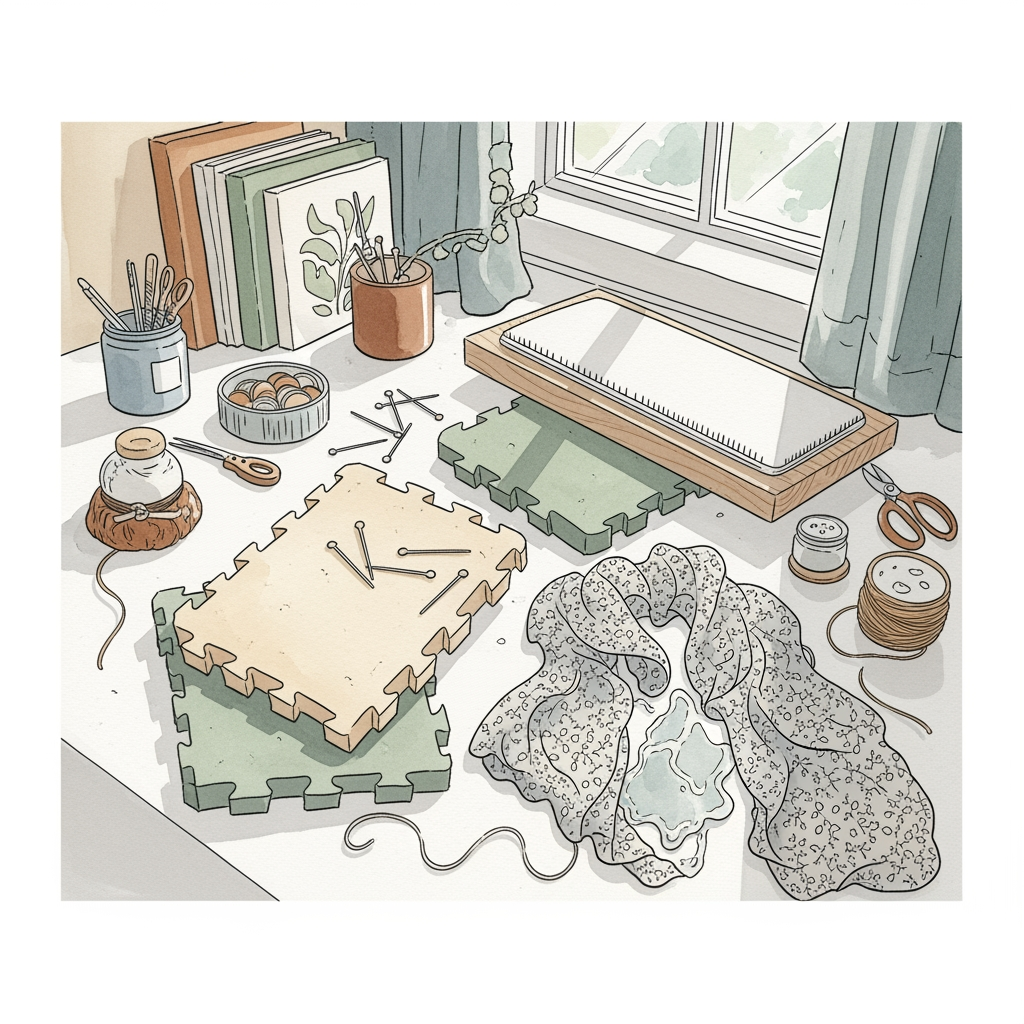
6 Best Wool Drying Racks For Flat Drying To Try
Keep your knits in shape with our top 6 wool drying racks. Discover durable, space-saving options designed for gentle, effective flat drying of delicate items.
We’ve all spent dozens of hours hand-knitting a delicate wool sweater, only to watch it lose its shape in a single afternoon of improper drying. Flat drying is the non-negotiable secret to ensuring your hard work retains its intended silhouette and stitch definition. Choosing the right rack isn’t just about storage; it’s about protecting your investment of time and expensive yarn. Here is how to navigate the best drying solutions to keep your handknits looking pristine for years to come.
Honey-Can-Do Stackable Mesh Drying Rack


This is the gold standard for knitters with limited floor space. By stacking multiple units vertically, you can dry an entire sweater set without turning your living room into a laundry obstacle course.
The mesh is tight enough to prevent snagging delicate mohair or hand-dyed singles, yet porous enough to allow for essential airflow. If you are drying a heavy, water-logged wool pullover, the stackable nature allows you to distribute the weight across multiple levels rather than overloading a single surface.
The downside is that the plastic corner connectors can be a bit finicky during assembly. Once they are set up, however, they are remarkably sturdy. Bottom line: Buy this if you live in an apartment and need to maximize your vertical footprint.
Whitmor Clip-On Hanging Sweater Dryer
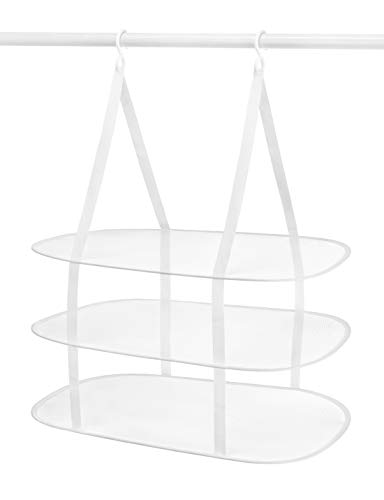
If you don’t have floor space for a rack, this hanging option is a clever workaround. It clips onto your existing shower rod or a sturdy closet bar, utilizing the empty air space above your floor.
This rack is particularly useful for smaller items like lace shawls or baby garments that don’t weigh a ton. Because it hangs, it allows for 360-degree airflow, which can significantly speed up the drying time for dense, worsted-weight wools.
Be mindful that it can be tricky to keep perfectly level if your laundry isn’t distributed evenly. Bottom line: Ideal for small, lightweight projects when floor space is at a premium.
Household Essentials Stackable Mesh Rack

This rack feels a bit more robust than your average foldable dryer. The frame is rigid, which means it won’t sag in the middle when you lay out a heavy, cabled cabled-knit sweater.
The mesh surface is taut, which is crucial for blocking. If your drying surface sags, your garment will take on that shape, leading to uneven hem lines or stretched-out sections.
It collapses down to a very slim profile, making it easy to slide under a bed or behind a washing machine. Bottom line: Choose this if you prioritize structural integrity for your heavier wool projects.
OXO Good Grips Fold-Flat Sweater Dryer

OXO is known for ergonomics, and this rack lives up to that reputation. It features a unique folding mechanism that makes it incredibly easy to deploy and store, even if you have mobility issues.
The standout feature is the side-release button that allows the legs to fold down smoothly. It’s a small detail, but when you are juggling a wet, heavy sweater, you don’t want to be fighting with a stubborn metal frame.
The surface area is generous, fitting most adult-sized sweaters without needing to fold the sleeves awkwardly. Bottom line: The best choice for knitters who value ease of use and quick setup.
Songmics 3-Tier Rolling Laundry Rack

If you are a prolific knitter who often works on multiple garments at once, this rolling tower is a game-changer. It provides a massive amount of surface area while remaining mobile.
Because it sits on wheels, you can move your damp knits into a sunny spot or away from drafty windows without having to lift the entire rack. The three tiers are spaced well, ensuring that the bottom layer still gets enough circulation to prevent mildew.
It does require a dedicated spot in your home, as it isn’t something you can easily tuck away in a drawer. Bottom line: The ultimate tool for the "sweater-a-month" knitter who needs high-volume drying capacity.
Neat-O Stackable Mesh Drying System

This system is all about modularity. You can start with one rack and add more as your collection of handknits grows, making it a great long-term investment for a developing hobbyist.
The design is simple and utilitarian, focusing on the basics: a solid frame and high-quality, non-rusting mesh. It doesn’t have the bells and whistles of more expensive models, but it gets the job done reliably.
The mesh is exceptionally fine, which is a major plus for those who work with fine-gauge lace or delicate fibers like cashmere. Bottom line: A reliable, no-nonsense choice for the knitter who wants to scale their setup over time.
Why Flat Drying Is Essential for Wool Knits
Wool is a protein fiber that becomes incredibly heavy and vulnerable when wet. If you hang a damp wool sweater on a hanger, gravity will pull the water downward, stretching the shoulders and torso into a misshapen mess.
Flat drying keeps the garment in its intended shape by supporting the entire weight of the piece across a flat surface. This is particularly important for superwash wool, which can be prone to "growing" or stretching significantly if not blocked correctly.
By laying your project flat, you allow the fibers to relax into their final position. This process, known as blocking, is what turns a "homemade" looking garment into a professional-quality piece of knitwear.
Key Features to Look for in a Drying Rack
When shopping for a rack, prioritize these three elements to ensure your knits stay safe:
- Mesh Quality: Look for fine-gauge, non-snag mesh that won’t catch on your stitches.
- Frame Rigidity: Avoid racks that sag under the weight of a damp, heavy wool sweater.
- Airflow: The rack should allow air to circulate underneath the garment, not just on top.
Avoid racks with metal parts that aren’t coated, as these can rust and permanently stain your precious wool. Always check the dimensions to ensure they match the average size of the sweaters you tend to knit.
Tips for Blocking Your Knits Like a Pro
Blocking isn’t just about drying; it’s about shaping. Once your sweater is laid out on the rack, use your hands to gently nudge the ribbing into place and ensure the seams are aligned.
For lace projects, you might need to use rust-proof T-pins to stretch the lace open, revealing the intricate patterns you worked so hard to create. If you are blocking a sweater, keep the measurements of your pattern in mind and gently pat the garment into those dimensions.
Never wring out your wool. Instead, roll the wet garment in a thick towel to absorb the excess moisture before transferring it to your drying rack.
Maintaining Your Rack for Longevity
Even the best racks need a little care to last through years of projects. After every use, wipe down the frame with a damp cloth to remove any residual soap or dust.
If you use a mesh rack, ensure it is completely dry before folding it away to prevent any musty odors. If the mesh does become stained, a gentle soak in warm water with a mild wool wash is usually all it takes to freshen it up.
Store your racks in a cool, dry place to prevent the plastic connectors from becoming brittle over time. With basic care, these tools will serve you through decades of knitting projects.
Investing in a quality drying rack is the final, most important step in the knitting process. By choosing a system that supports your specific projects and space, you ensure that your time and effort are rewarded with a perfectly shaped garment. Remember that the best rack is the one that makes the blocking process easy enough that you never feel tempted to skip it. Happy knitting, and may your sweaters always dry to perfection.
