7 Best Blocking Sprays For Finishing Projects
Achieve a professional finish with our guide to the 7 best blocking sprays. Learn how these essential tools set your projects and ensure lasting perfection.
Every knitter knows the sinking feeling of finishing a complex lace shawl only to find it looks like a crumpled rag before it hits the blocking board. Proper finishing is the bridge between a handmade project and a professional-grade heirloom. Choosing the right wash or spray can transform your stitch definition and drape in a single soak. Here is how to navigate the best products on the market to ensure your hard work shines.
Eucalan Delicate Wash: Best for Gentle Blocking
Eucalan has been a staple in my knitting bag for two decades because it is remarkably effective at relaxing fibers without stripping them of their natural protective oils. It contains lanolin, which helps condition wool, making it an excellent choice for projects that feel slightly coarse off the needles.
When you are working with high-twist yarns that tend to "pucker" after binding off, a gentle soak in Eucalan helps the yarn settle into its final position. It is a no-rinse formula, which saves your hands from unnecessary agitation in the sink.


The only real tradeoff is that the lanolin can sometimes leave a very slight, waxy residue if you use too much. Always use a light hand; a little goes a long way toward achieving that soft, professional bloom.
Soak Wash: Top Choice for No-Rinse Fiber Care
Soak is the gold standard for knitters who want a quick, efficient process without sacrificing the health of their fibers. It is incredibly popular because it is pH-balanced and specifically formulated to be gentle on delicate proteins like silk and alpaca.
If you have ever worried about the "dullness" that can occur after washing a vibrant, hand-dyed skein, Soak is your best friend. It preserves the intensity of the dye while ensuring that the fibers remain supple and ready for shaping.
It is also fantastic for those who are sensitive to heavy perfumes, as it offers a variety of light, clean scents. Just remember that because it is a no-rinse wash, you must ensure you are using a basin large enough to fully submerge the garment without crowding.
The Laundress Wool & Cashmere: Premium Results
When you have invested months into a luxury cashmere sweater, you want a wash that treats the fiber with the reverence it deserves. The Laundress provides a sophisticated clean that removes body oils and environmental pollutants effectively.
This product is particularly useful for items that have been worn for a season and need a "refresh" rather than a deep, heavy-duty cleaning. It helps maintain the loft and spring of high-end fibers, preventing that dreaded "pilling" that often comes from improper agitation.
Because this is a more concentrated, premium product, it is best reserved for your most expensive, heirloom-quality pieces. Keep it for your special occasion knits rather than your everyday wool socks.
Kookaburra Wash: Best for Natural Fiber Health

Kookaburra is a unique choice because it uses tea tree oil to naturally clean and condition your projects. It is exceptionally good at neutralizing odors, making it the perfect choice for items that have been sitting in a cedar chest or a storage bin for a long time.
I often recommend this to knitters who work with raw or minimally processed wools, as it helps maintain the natural integrity of the fiber. It is a powerful, plant-based cleaner that doesn’t rely on harsh chemicals to get the job done.
The scent is quite distinct, which is something to consider if you are sensitive to essential oils. However, the performance on tough, rustic fibers is unmatched in the industry.
Unicorn Fibre Wash: Excellent for Raw Woolens
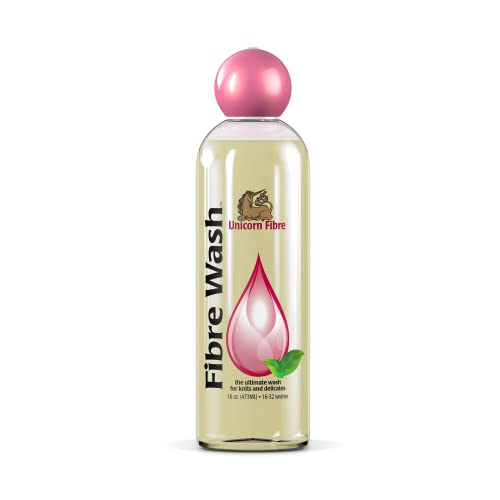
Unicorn Fibre Wash is the secret weapon for those of us who spin our own yarn or work with "greasy" wools that still contain some residual lanolin. It is designed to be highly effective at lifting dirt and debris from the fiber structure.
If you are blocking a project made from a less-processed yarn, you need a wash that can handle the extra weight and texture. This wash ensures that the yarn doesn’t just look clean, but actually feels revitalized and airy.
It is a bit more industrial in its efficiency compared to the gentler, boutique washes. Use it when you need to strip away excess oils to get a better drape on a heavy, rustic garment.
Eucalan Lavender: Best Scented Blocking Spray
Sometimes, the best part of blocking is the sensory experience, and Eucalan’s lavender scent is legendary in the knitting community. It provides a calming, spa-like aroma that lingers subtly on your finished garments.
Beyond the scent, it functions exactly like the original Eucalan, providing that essential lanolin boost to your woolens. It is a fantastic way to make a gift feel truly luxurious before you wrap it up for a friend.
Just be aware that if you are gifting to someone with severe allergies, you might want to opt for the unscented version instead. It is a small detail that shows the level of care you put into your craft.
Soak Pineapple Scent: Best for Refreshing Knits

The pineapple scent from Soak is bright, cheerful, and surprisingly addictive. It is the perfect choice for summer knits, cotton tops, or anything you want to feel light and breezy.
This scent is less common in the world of wool care, which makes it a fun way to break up the monotony of traditional "laundry day" smells. It performs just as well as the standard Soak formula, ensuring your stitches are clean and perfectly aligned.
If you have a project that feels a bit "stiff" from being stored in a bag, a quick mist or soak with this will bring it right back to life. It’s a simple joy that makes the finishing process feel like a treat rather than a chore.
Why Blocking Spray Is Essential for Your Knits
Blocking is not just about making a garment look flat; it is about evening out the tension across your entire piece. When we knit, our tension naturally fluctuates based on our mood, the time of day, and even how much coffee we’ve had.
A blocking spray or soak allows the fibers to relax and "bloom," filling in the small gaps between stitches. This creates a cohesive fabric that looks intentional rather than accidental.
Without blocking, your cables will look tight and flat, and your lace will look like a tangled knot. Proper finishing is the final 10% of the work that makes 90% of the visual difference.
How to Properly Use Blocking Spray on Projects
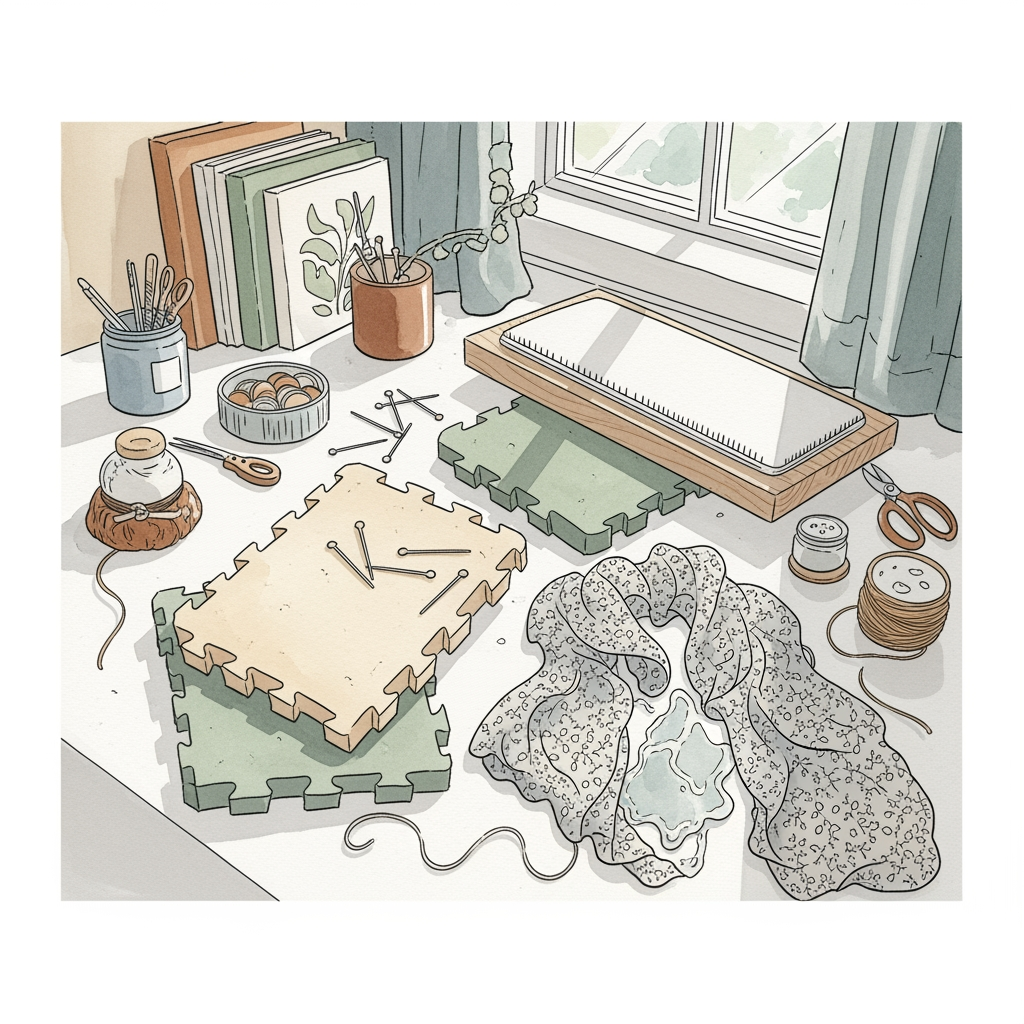
To use a spray effectively, lay your project flat on a blocking mat and gently pin it into the desired shape. Lightly mist the fabric, ensuring you don’t over-saturate it, as too much water can cause some fibers to grow too much.
Use your hands to pat the fibers into place, smoothing out any uneven edges or curled hems. Let the piece air dry completely away from direct heat or sunlight, which can fade your colors or damage delicate proteins.
Remember that blocking is a structural process, not just a cosmetic one. Take your time pinning, and always use rust-proof pins to avoid leaving unsightly stains on your hard work.
Tips for Blocking Delicate Natural Fiber Yarns
When dealing with luxury fibers like silk, angora, or mohair, less is almost always more. These fibers are prone to stretching, so avoid pulling them too taut on your blocking mats.
Always check the label for fiber content; superwash wool, for example, will grow significantly more than non-superwash wool when wet. Adjust your pinning tension accordingly to prevent your sweater from becoming a dress.
Finally, never hang your wet projects to dry, as the weight of the water will stretch the fabric out of shape. Always block flat on a clean, breathable surface to ensure the best possible results.
Mastering the art of blocking is what separates a casual hobbyist from a true artisan. By choosing the right wash for your specific fiber, you ensure your projects maintain their beauty and structure for years to come. Take the time to treat your finished pieces with the care they deserve, and your knitting will thank you. Happy blocking, and may all your stitches settle perfectly.