6 Best Felting Mat Covers For Easy Cleanup To Use
Keep your workspace tidy with these 6 top-rated felting mat covers. Discover durable, easy-clean options that simplify maintenance and protect your projects.
Needle felting is a tactile joy, but the stray fibers that cling to your workspace can quickly turn a relaxing session into a chore. Investing in a quality felting mat or cover is the secret to keeping your project clean and your needles sharp. Whether you are sculpting intricate wool creatures or adding felted details to a knitted sweater, the right surface makes all the difference. Here are the six best options for maintaining a tidy, efficient felting environment.
Clover Large Felting Mat: The Durable Standard


The Clover mat is a staple in many fiber arts studios because it strikes a balance between firmness and accessibility. It provides a dense, stable surface that prevents your needles from hitting the tabletop, which is crucial for preserving your needle tips.
When you are working on larger 3D sculptures, the generous surface area allows you to rotate your project without constantly bumping into the edges. It’s a workhorse that handles repeated stabbing without losing its structural integrity too quickly.
The downside is that it can collect stray fibers over time, making a protective cover essential for easy cleanup. If you want a reliable, no-nonsense base, this is your starting point.
Woolbuddy Thick Foam Pad: Best for Precision

If your focus is on fine detail work, such as adding facial features to a felted toy, the Woolbuddy pad is an excellent choice. Its thickness provides enough "give" for the needle to pass through cleanly without excessive resistance.
This pad is particularly helpful when you are working with delicate, fine-gauge wool roving. Because the foam is dense, it holds the project firmly in place, preventing the shifting that often leads to accidental needle breakage.
For those who find themselves working on small, intricate pieces, the firmness of this pad is its greatest asset. Just remember to rotate your project frequently to avoid creating deep divots in one spot.
Ashford Felting Brush Mat: Ideal for Detail
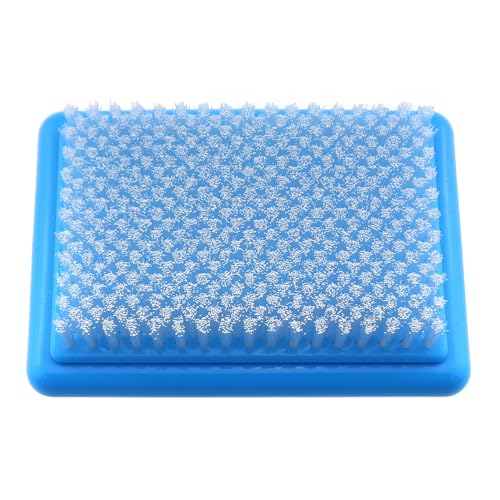
The brush-style mat is a game-changer for anyone tired of picking foam bits out of their wool. Instead of piercing a solid surface, your needle passes between thousands of upright bristles.
This design is perfect for flat felting or working with delicate fibers that might otherwise get snagged on foam. Because the fibers don’t get embedded in the surface, cleanup is as simple as running a comb through the bristles occasionally.
It is a different tactile experience than foam, offering less resistance, which some makers love and others find takes getting used to. If you value cleanliness and longevity, this is the superior mechanical choice.
Sullivans Needle Felting Mat: Easy Cleanup

Sullivans offers a specialized mat designed specifically for those who want to minimize the time spent on maintenance. The surface is engineered to resist fiber buildup, meaning your wool stays on the project rather than migrating into the mat.
This mat is highly portable, making it a great companion if you like to felt while traveling or during a knitting group meetup. It is lightweight without sacrificing the necessary density to protect your needles.
If you are prone to messy projects or working with loose, flyaway fibers like angora blends, this mat will save you significant frustration. It is a practical, low-maintenance solution for the busy maker.
Dimensions Felt Works Pad: Great for Beginners

For those just starting their journey into needle felting, the Dimensions pad provides an approachable, affordable entry point. It is soft enough to be forgiving on your needles while still providing a clear, defined workspace.
It is sized perfectly for smaller, starter kits, ensuring you don’t feel overwhelmed by a massive surface. While it may not last as long as professional-grade mats, it is the perfect place to learn your tension and needle depth.
Think of this as the "practice yarn" of the felting world; it’s meant to help you build confidence. Once you master your technique, you can graduate to a more specialized surface.
Hamanaka Felt Mat Cover: The Premium Choice
The Hamanaka cover is the gold standard for those who demand a pristine workspace. It is designed to fit over your existing foam mats, providing a smooth, non-stick barrier that prevents wool from embedding itself into the foam.
Using this cover effectively doubles the lifespan of your foam pads by shielding them from direct needle strikes. It feels luxurious under the hands and makes the entire felting process feel more refined and organized.
If you have invested in high-quality wool and want to ensure your workspace remains clean, this is a worthy long-term investment. It turns a basic foam block into a professional-grade station.
Why Using a Mat Cover Extends Tool Longevity
Your felting needles are precision tools, and their tips are incredibly fragile. Every time a needle hits a hard surface or gets clogged with debris, the risk of snapping or dulling increases significantly.
A mat cover acts as a buffer, ensuring the needle tip remains sharp and free from the abrasive particles that often hide inside foam. By keeping the surface clean, you prevent the "gunk" that can transfer from the mat back onto your clean, white wool roving.
- Protects needle tips from dulling against hard surfaces.
- Reduces friction during the stabbing motion.
- Prevents cross-contamination of fiber colors.
Essential Features for Easy Cleanup Surfaces
When choosing a surface, prioritize materials that do not trap fibers. Foam is great for stability, but it is a magnet for stray wool; brush mats are the opposite, offering superior cleanliness at the cost of a different tactile feel.
Look for a surface that is easy to shake out or wipe down between color changes. If you are working with dark wool followed by light wool, the ability to quickly clear your mat is non-negotiable to prevent fiber migration.
- Non-stick properties: Essential for preventing wool buildup.
- Density: Must be firm enough to support the project but soft enough to protect the needle.
- Size: Should match the scale of your typical projects.
How to Maintain Your Felting Mat and Cover
Maintenance is simple but essential for consistent results. For foam pads, use a piece of masking tape to lift stray fibers off the surface after every session.

For brush mats, use a wide-toothed comb to remove embedded wool. Never wash your foam mats with water, as they will take ages to dry and may develop mold; keep them dry and away from direct heat sources.
If you are using a fabric cover, check the manufacturer’s instructions, but most can be gently brushed or shaken out. Routine maintenance prevents the buildup that leads to uneven felting and frustration.
Comparing Foam Pads Versus Brush Style Mats
Foam pads offer a familiar, tactile resistance that many find grounding. They are excellent for sculpting 3D forms, but they will eventually degrade and need to be replaced as they become "pitted" from repeated use.
Brush mats offer a smoother, more consistent experience that is less prone to wear and tear. They are cleaner, but they don’t provide the same "cushion" that some makers prefer when working on heavy-duty projects.
- Foam: Better for deep sculpting and intricate 3D shapes.
- Brush: Superior for flat felting, detail work, and cleanliness.
- Tradeoff: Foam is cheaper but temporary; brushes are an investment with a different feel.
Choosing the right felting mat is about balancing your personal style with the needs of your current project. Whether you prefer the classic resistance of foam or the clean efficiency of a brush mat, keeping your surface tidy is the hallmark of a seasoned fiber artist. Experiment with these options to find the setup that makes your creative process flow more smoothly. Happy felting, and may your needles stay sharp and your workspace stay clear.