6 Best Knitting Thimbles For Multiple Strands Tested
We tested the top 6 knitting thimbles for managing multiple strands. Discover which designs offer the best tension control and comfort for your next project.
Stranded colorwork, or Fair Isle, is a beautiful technique that often leaves knitters struggling with tangled yarn and uneven tension. Using a knitting thimble can transform your experience by keeping two or more strands organized and flowing smoothly. Selecting the right tool depends on your hand size, your preferred yarn weight, and how you hold your needles. This guide breaks down the top contenders to help you find the perfect partner for your next colorwork project.
Clover Adjustable Yarn Guide: Best Overall Choice
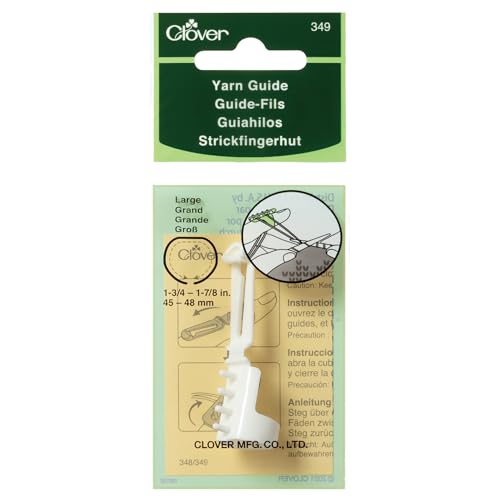

The Clover Adjustable Yarn Guide is a staple in many knitting bags for good reason. Its simple, open-coil design allows it to sit comfortably on the finger while providing two distinct channels for your yarn.
Because it is made of lightweight plastic, it doesn’t add unnecessary bulk or weight to your hand. This is crucial if you are working on a long-term project like a complex sweater where hand fatigue can set in after hours of stranding.
The adjustability is the real winner here. You can gently bend the plastic to fit your finger size, ensuring it stays put without cutting off circulation. It is an excellent all-purpose choice for those who switch between fingering weight wool and slightly thicker sport weight yarns.
Prym Ergonomic Knitting Thimble for Fair Isle

The Prym Ergonomic Knitting Thimble takes a different approach by utilizing a sleek, wrap-around design. It is specifically engineered for those who find traditional metal thimbles too rigid or uncomfortable for long sessions.
The primary benefit of this design is the way it guides the yarn across the top of the finger. By keeping the strands separated and elevated, it prevents the common issue of "yarn crossing" where your colors accidentally twist before they reach the needle.
It is particularly effective for knitters who use the "flicking" method or hold the yarn in their right hand. While it may take a moment to get used to the unique shape, the consistent tension it provides is well worth the short learning curve.
Cocoknits Leather Knitting Ring: Best for Comfort

If you have sensitive skin or find that plastic and metal guides irritate your fingers, the Cocoknits Leather Knitting Ring is a game-changer. It uses a soft, vegetable-tanned leather band that feels natural against the skin.
The ring features a small, polished metal guide that allows the yarn to glide through with minimal friction. Because it is leather, it conforms to your finger over time, essentially molding to your unique shape for a custom fit.
This is the gold standard for comfort during marathon knitting sessions. However, it is important to note that it holds only one strand at a time, so you may need to wear two if you are working with multiple colors simultaneously.
Tulip Knitting Thimble with Yarn Tension Guide
Tulip is renowned for their high-quality manufacturing, and their knitting thimble is no exception. It features a smooth, polished surface that prevents your yarn—even delicate mohair or soft alpaca—from snagging or fraying.
The tension guide is designed with a slight curve that helps maintain a steady pull on the yarn. This is incredibly helpful when you are working with slippery superwash wool, which often wants to slide off the needles or create loose, uneven floats.
The metal construction is durable and built to last for years of heavy use. It is a professional-grade tool that rewards knitters who appreciate precision and a reliable, steady feed of yarn.
Susan Bates Yarn Feeder: Best Budget Selection

The Susan Bates Yarn Feeder is a classic, no-nonsense tool that has been around for decades. It is a simple metal coil that fits around the finger, offering a straightforward way to keep two strands separate.
Because it is so affordable, it is the perfect entry point for a knitter who is just beginning to experiment with colorwork. You don’t have to invest a significant amount of money to see if a thimble will improve your knitting speed and gauge.
Keep in mind that this thimble is quite basic; it lacks the refined edges of more expensive models. If you are working with delicate or high-twist yarns, be sure to inspect the metal for any tiny burrs before you start your project.

Namaste Yarn Thimble: Best for Multiple Strands
The Namaste Yarn Thimble is designed for the ambitious colorwork knitter who isn’t afraid to use three or more colors at once. It features multiple loops that allow for complex yarn management without a tangled mess.
This tool is a lifesaver when working on intricate Nordic patterns or large-scale colorwork charts. It organizes your yarn paths so effectively that you can focus entirely on your needle manipulation rather than managing the "spaghetti" of yarn in your lap.
While it is bulkier than a single-strand guide, the organizational efficiency it provides is unmatched. It is the ideal choice for advanced projects where keeping your yarn strands distinct is the key to a successful, professional-looking finish.
Why Use a Knitting Thimble for Colorwork Projects
Colorwork requires you to manage two or more strands of yarn simultaneously, which can lead to uneven tension. A knitting thimble acts as a third hand, keeping your colors separated and ensuring they are delivered to the needle at a consistent rate.
Without a guide, many knitters find that one color ends up tighter than the other, leading to "puckered" fabric. Using a thimble helps maintain even floats on the back of your work, which is essential for the stretch and drape of a finished garment.
- Prevents tangling: Keeps yarns from twisting around each other.
- Improves gauge: Ensures both colors are held with equal pressure.
- Increases speed: Reduces the time spent manually untangling strands.
How to Properly Adjust Your Tension for Stranding
Proper tension in colorwork is all about the floats—the strands of yarn carried across the back of the work. If your floats are too tight, your garment won’t stretch; if they are too loose, they will snag on your fingers or toes while wearing.
When using a thimble, adjust the yarn so it flows freely but remains snug against the guide. You should feel a slight resistance, but the yarn should never feel like it is being "tugged" through the tool.
If you find your colorwork is still too tight, try going up one needle size for the stranded sections. This is a common trick used by experts to compensate for the natural tendency to tighten up when working with multiple colors.
Comparing Metal Versus Plastic Yarn Guide Designs
Metal guides are typically more durable and offer a smoother surface, which is excellent for yarns that tend to grip. However, they can be cold to the touch and are often less adjustable than their plastic counterparts.
Plastic guides are lightweight, inexpensive, and often more flexible, making them a great choice for beginners. The tradeoff is that lower-quality plastic can sometimes have rough seams that might snag delicate fibers like silk or fine wool.
- Metal: Best for long-term durability and smooth, snag-free yarn flow.
- Plastic: Best for beginners, lightweight comfort, and easy, custom adjustments.
Troubleshooting Common Issues With Yarn Thimbles
If you find that your yarn is snagging on the thimble, first check for any rough spots or burrs. You can often smooth these out with a fine-grit emery board or a bit of high-quality sandpaper.
Another common issue is the thimble slipping off your finger during a long session. If this happens, try wearing a thin piece of medical tape or a silicone ring underneath the thimble to provide a bit of extra grip.
Finally, if your yarn is still tangling, you may be holding the thimble too close to your needles. Try moving the thimble further back on your finger to allow for a longer, more fluid path for the yarn to travel.
Finding the right knitting thimble is a personal journey that depends on your unique hand mechanics and the specific fibers you choose to work with. Don’t be afraid to try a few different styles before settling on the one that feels like a natural extension of your finger. Once you master the rhythm of using a guide, your colorwork will become faster, more consistent, and infinitely more enjoyable. Happy knitting, and may your floats always be perfectly tensioned.